





























Sustainable Service Standards & Certifications

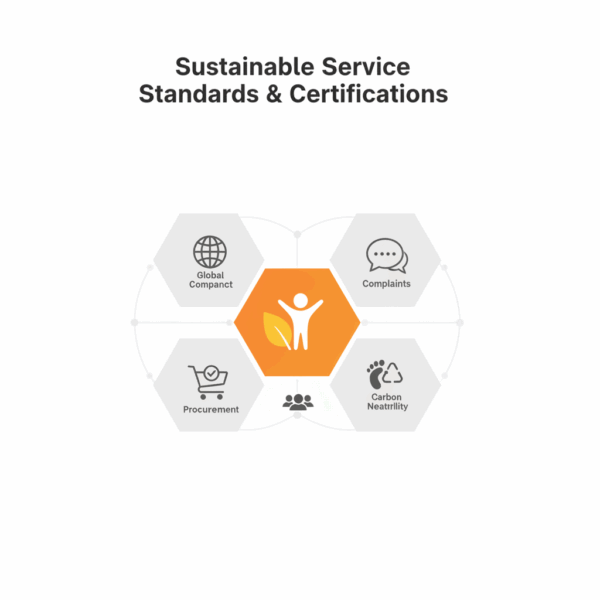
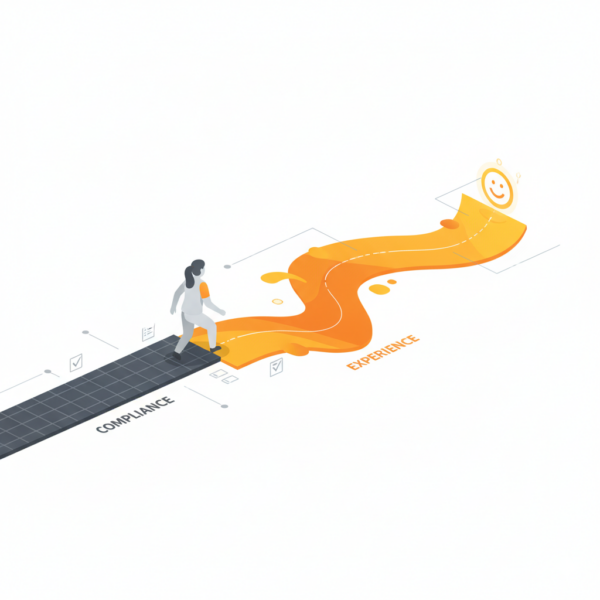
Why sustainable service now sets the competitive baseline Executives set the tone when they choose service standards that protect customers and the planet. Strong standards reduce risk, align teams, and prove progress to regulators and investors. Sustainable service means that customer operations deliver fair outcomes, respect human and environmental limits, and publish performance transparently. This…

Environmental Footprint of Service Ops

Why should service operations measure their environmental footprint? Service leaders face rising pressure from boards, customers, and regulators to prove that service operations create value with less environmental cost. Executives must treat environmental performance as a core service quality attribute, not an afterthought. Service operations include contact centres, field service, digital channels, and the enabling…

Inclusion-by-Design: Accessibility and Equity

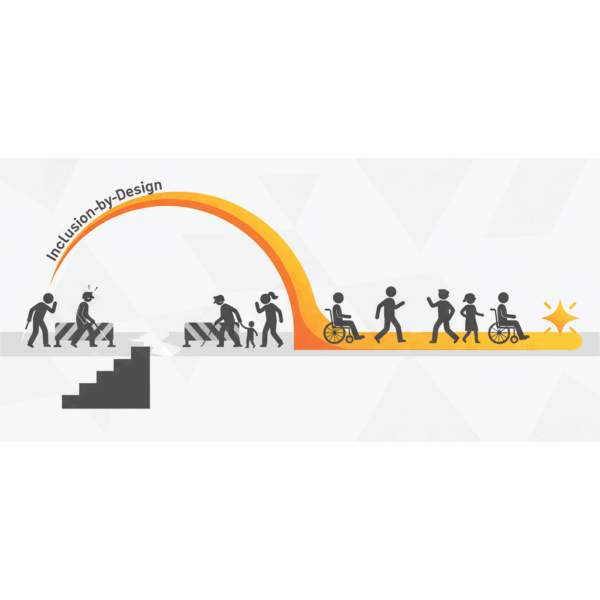
Why do leaders need accessibility and equity baked into service design now? Executives face a simple equation. Inclusive services win customers, reduce risk, and sharpen efficiency. The scale of need is not marginal. The World Health Organization estimates that 1.3 billion people, or one in six globally, live with significant disability.¹ Digital, physical, and service…

Experiment Readouts: Templates & Anti-Patterns

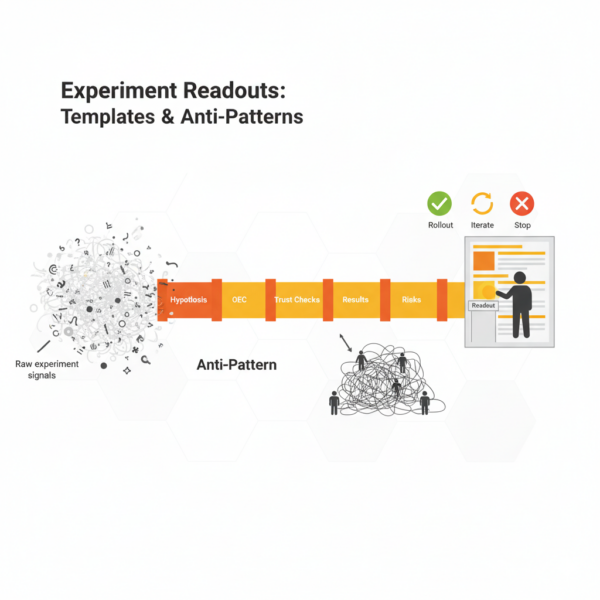
Why do experiment readouts make or break service transformation? Leaders sponsor experiments to reduce uncertainty, not to admire dashboards. An effective experiment readout converts raw signals into clear decisions, aligns teams on the next action, and preserves learning so future teams do not repeat old mistakes. High performing organizations treat readouts as a product: they…

Run-Stop-Change: Quarterly Portfolio Review

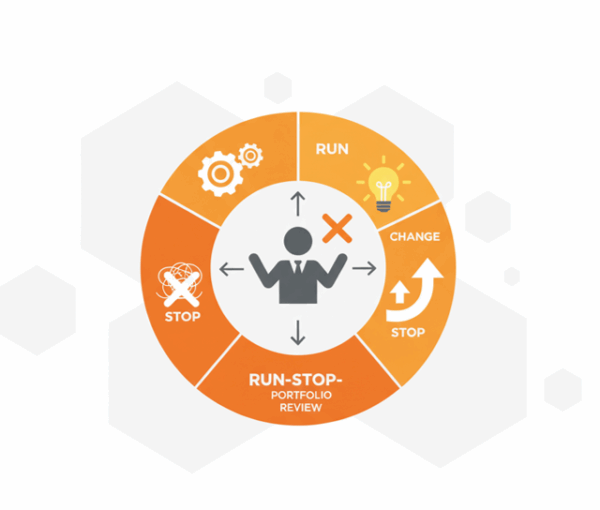
Why does a quarterly portfolio review matter right now? Executives face fractured change. Budgets fragment across initiatives. Customers feel the seams. A quarterly portfolio review creates shared truth about value, risk, and capacity so leaders can stop the wrong work, double down on the right work, and sequence the rest with confidence. Evidence-Based Management defines…

Change Injection Without Whiplash

What is “change injection” in a service context? Leaders inject change to alter customer outcomes on purpose, with speed, and with control. Change injection is the deliberate introduction of new processes, tools, and behaviors into customer operations to raise service quality and reduce cost to serve. The unit of change can be a policy shift,…

Pilot-to-Scale Playbook

What problem are leaders really solving? Executives pursue pilots to prove value fast. Pilots validate desirability, feasibility, and viability in a safe sandbox. The problem appears solved when the demo works. The real problem begins after the demo. Organizations must repeat the result across more users, more channels, and stricter controls without blowing up cost…

2-Week Service Sprint Template

Why run a two-week service sprint now? Leaders face stalled transformation roadmaps while customers expect faster, simpler service. A two-week service sprint compresses discovery, design, delivery, and measurement into a single operating cycle that creates momentum and proof of value. Scrum defines a sprint as a fixed timebox to build a usable increment, which fits…

MVP vs MLP (Lovable): What to Ship First

Why does the MVP vs MLP decision matter for service outcomes? Executives set trajectory when they choose what to ship first. The first release anchors customer expectations, shapes internal delivery habits, and influences how quickly a service learns from the market. Leaders who ship a Minimum Viable Product pursue validated learning with the smallest effort…