




























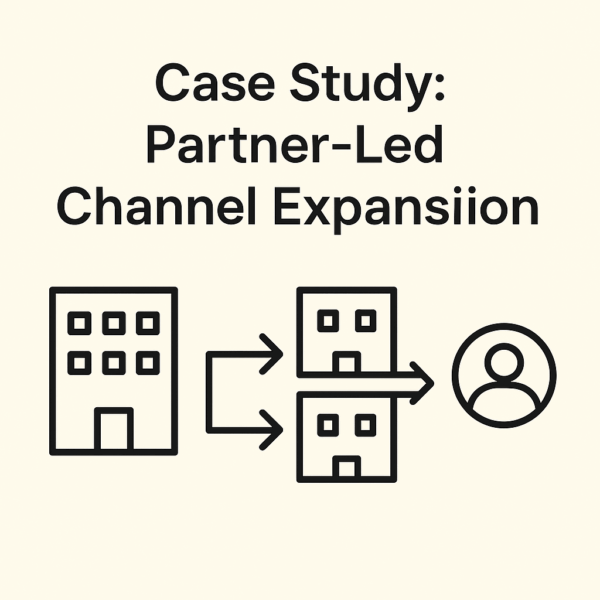
Case Study: Partner-Led Channel Expansion

Why do leaders bet on partner-led growth now? Executives face flat pipelines, rising customer expectations, and pressure to unlock non-linear growth. Partner-led channel expansion answers all three. Leadership teams that build orchestrated ecosystems diversify routes to market, increase relevance by meeting buyers where they prefer to engage, and compress time to value by pairing solutions…

Ecosystem Health Metrics: Resilience & Redundancy

Why measure ecosystem health now? Executives face fragile value chains, cloud concentration risk, and AI-driven dependencies that can break customer experiences in seconds. Leaders need ecosystem health metrics that track resilience and redundancy across partners, platforms, and processes. This article defines practical metrics, shows how to instrument them, and ties them to outcomes like customer…

Operating a Service Alliance: Cadence & Artifacts

Why alliance cadence decides outcomes Executives set the tempo, and the tempo sets the outcome. A service alliance succeeds when partners run on a visible operating rhythm that drives decisions, delivery, and improvement. The cadence makes collaboration predictable. The artifacts make collaboration auditable. Together, cadence and artifacts reduce ambiguity, shorten decision cycles, and protect value…

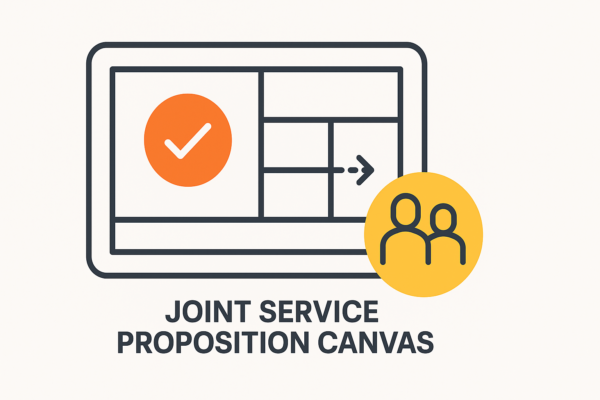
Joint Service Proposition Canvas

Why do leaders need a Joint Service Proposition now? Ecosystem leaders face revenue pressure, rising expectations, and fragmented partner execution. Buyers expect connected experiences across channels, brands, and service moments. A Joint Service Proposition aligns multiple organisations to deliver one coherent promise, one measurable outcome, and one operating rhythm. The canvas turns scattered partnership ideas…

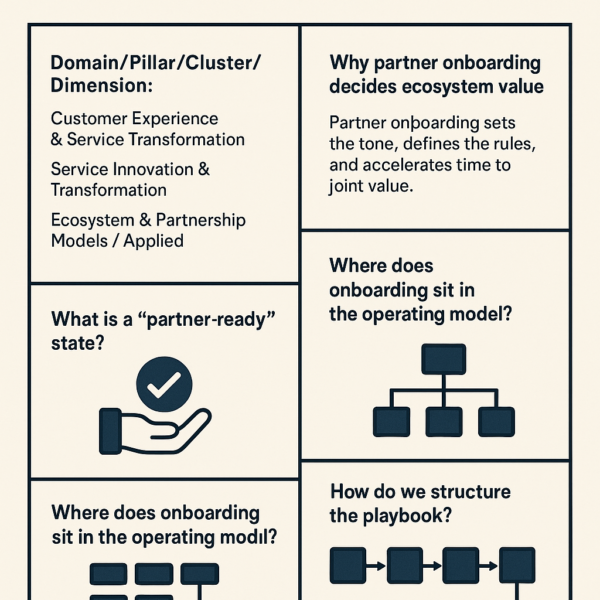
Partner Onboarding Playbook

Why partner onboarding decides ecosystem value Executive teams want ecosystem revenue to scale without friction. Partner onboarding sets the tone, defines the rules, and accelerates time to joint value. Strong onboarding aligns strategy, data, process, and brand experience across legal entities that never share a single org chart. Weak onboarding creates duplicate effort, rework, and…

Marketplace vs Monolith: Control vs Reach

Who needs this decision now? Executives face the same architectural fork each year. Marketplace operators promise growth through other people’s audiences. Monolithic builders promise control through tight integration and closed loops. Customer Experience and Service leaders must translate that choice into service quality, operating cost, risk posture, and brand equity. The trade looks simple. The…

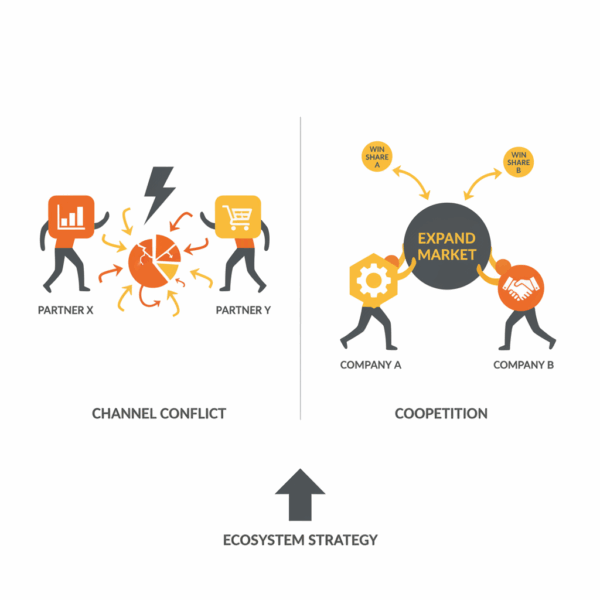
Channel Conflict vs Coopetition

What do executives mean by channel conflict and coopetition? Leaders use channel conflict to describe disputes among route-to-market partners whose actions undermine each other’s sales, margin, or market share objectives. In practical terms, conflict emerges when a manufacturer, distributor, or retailer perceives that another participant’s tactics prevent it from meeting its own goals. Classical marketing…

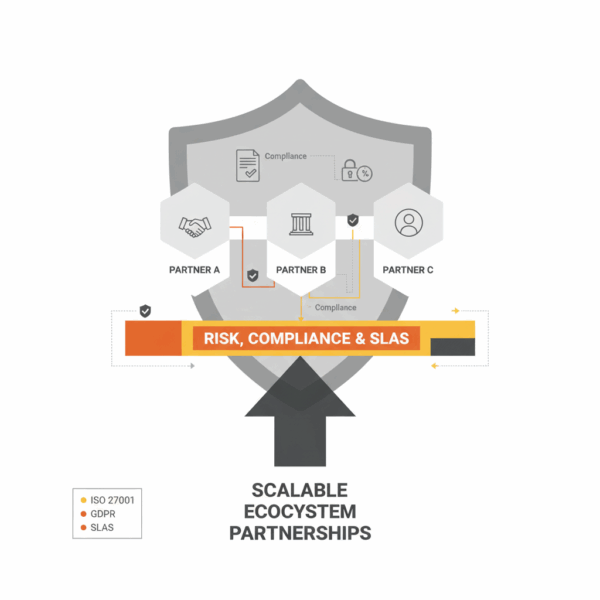
Risk, Compliance, and SLAs in Partnerships

Why risk, compliance, and SLAs must lead ecosystem strategy Partnership leaders shape outcomes when they treat risk, compliance, and service level agreements as the spine of the ecosystem, not an afterthought. Executive teams often move fast to unlock capability, coverage, or cost advantages through partners. The same teams stumble when exposure, accountability, and service expectations…

Identity/Context Handoff Across Partners

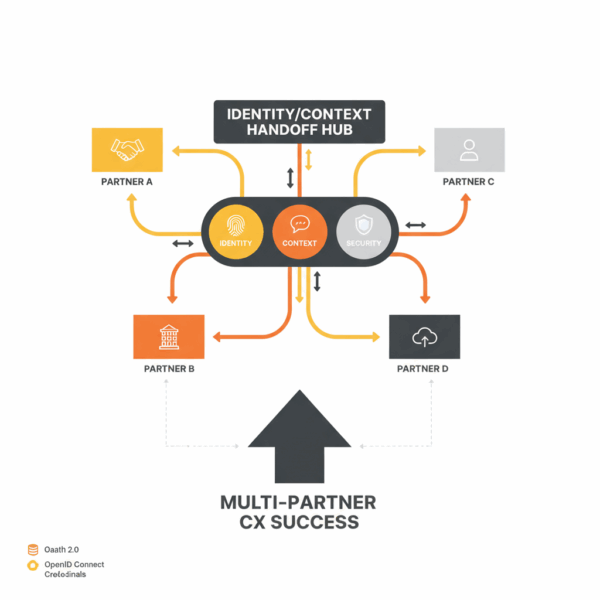
Why does identity and context handoff decide multi-partner CX success? Leaders run multi-partner ecosystems to meet customer expectations, but identity breakdowns create friction that customers feel instantly. Identity and context handoff is the controlled transfer of who the customer is and what is happening in their journey between parties. Good handoff preserves authentication, authorisation, and…

APIs, Integration Patterns, and Data Contracts

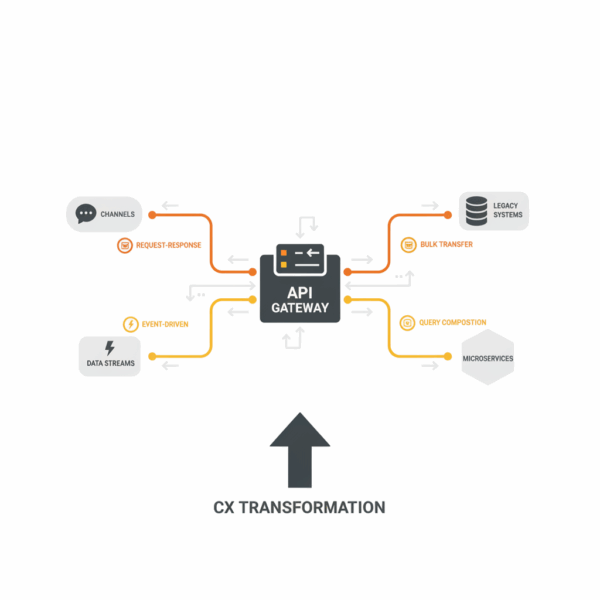
Why do APIs set the pace for Customer Experience transformation? APIs connect channels, data, and services so customers get fast, consistent outcomes across every touchpoint. Well designed interfaces shorten cycle times, improve reliability, and unlock reuse across the ecosystem. Executives use APIs to decouple change, which means teams can ship improvements without breaking critical journeys.…