
Solution
CX Communications
Most of what a customer experiences of your organisation, they read. We turn complex, compliance-heavy correspondence into plain English that people can understand and act on, so fewer of them need to call you to find out what you meant.

In practice
What better writing has been worth
- fewer extra calls after Bupa's annual rate change mailing was redesigned
- 90%
- in Bupa contact centre savings over two years
- $2m
- NAB letters rewritten
- 2,500+
- ATO staff trained in service writing, nationally
- 800+
Trusted by teams across government and industry






Why it matters
A badly written letter is an expensive letter
Every message you send shapes how customers feel about your organisation, and an email, an SMS, a letter and a chat reply all count. When one of them is unclear, the customer does the only thing left open to them: they call you, and often they call angry.
That is the part organisations tend to miss. Confusing correspondence does not just annoy people. It generates avoidable demand, lengthens handling times, produces complaints and disputes, and quietly undermines the brand that the rest of the business is spending money to build.
We rewrite the words so that does not happen, without losing anything legal, risk or privacy needs the message to say.
What we offer
Clear communication at every touchpoint
Auditing
We find the gaps, risks and friction across your journeys and channels, including with CommScore.AI, which scores your service writing against the same benchmarks every time.
Journey mapping
A close look at what correspondence is doing at the moments that matter most: onboarding, collections, disputes. It usually shows both a customer problem and a compliance one.
Writing and redesign
Copywriting and template design that put clarity and a human voice into messages that had neither.
Training and advisory
Practical training for service teams, so the writing stays good after we leave.
Brand voice
A writing tone that matches what your organisation actually values, defined well enough that other people can use it.
Explainer videos
Short videos for the messages that are genuinely hard to explain in writing alone.
What changes
What tends to change, and roughly in this order
Customers understand you
- Communication customers can read and act on first time
- Less frustration, fewer calls asking what the message meant, and more customers staying
The operation costs less to run
- Lower inbound call volumes and shorter handling times
- Fewer complaints and disputes
- Stronger compliance, and better collections outcomes
The writing supports the strategy
- Messages that carry what the organisation is actually trying to do
- A voice that sounds like you and not like the system that generated it
- Teams who can write consistently without being asked twice
- A standard new writing can be held to, after we have gone
Where this came from
The Friendly Persuasion team, now the CX Communications practice
Friendly Persuasion launched in 2014 to improve account correspondence, chat and short messaging for service organisations. Customer Science acquired the consultancy, and Peter Vierod and Tony Rambaut came with it to head up the CX Communications division.
That is why this practice reads differently from most consulting: the people doing the work have spent a decade rewriting the letters that banks, insurers, telcos and government agencies actually send.
Our experience
Large-scale correspondence transformation, across six sectors
Banks and financial institutions, health insurance, telcos, energy, government and travel.
"Friendly streamlined all our correspondence and collateral pieces making our products and services simpler to understand. Importantly, they helped bring our brand voice to life in those difficult ‘moment of truth’ communications. This was proven in research, which showed a very positive response from members."
Amy Childs, formerly Head of Member Communications, Medibank
The work
Nine organisations, and what changed

BUPA - How Positive Writing Saved Them $2 Million
Clear, empathetic communication reduced call volumes and saved costs.
Read the case study ↗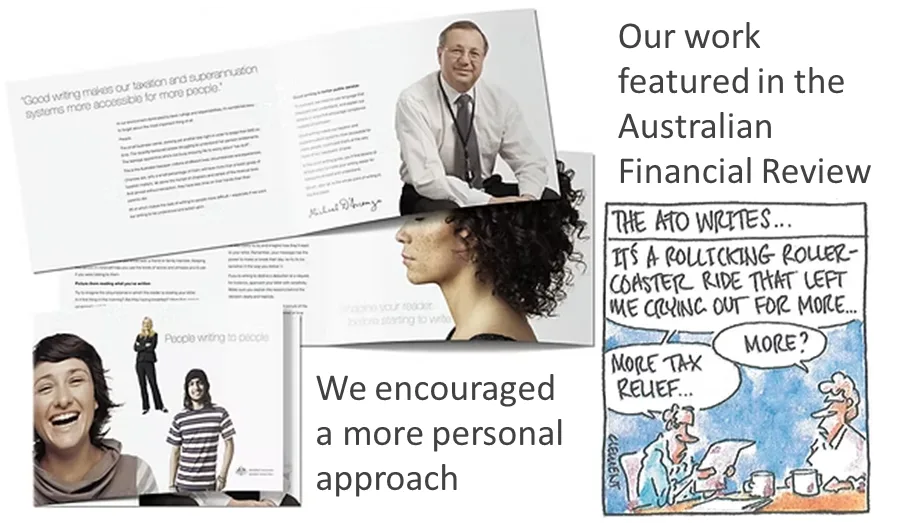
Australian Taxation Office – A More Approachable Approach
Simplifying complex tax communication to build trust and clarity.
Read the case study ↗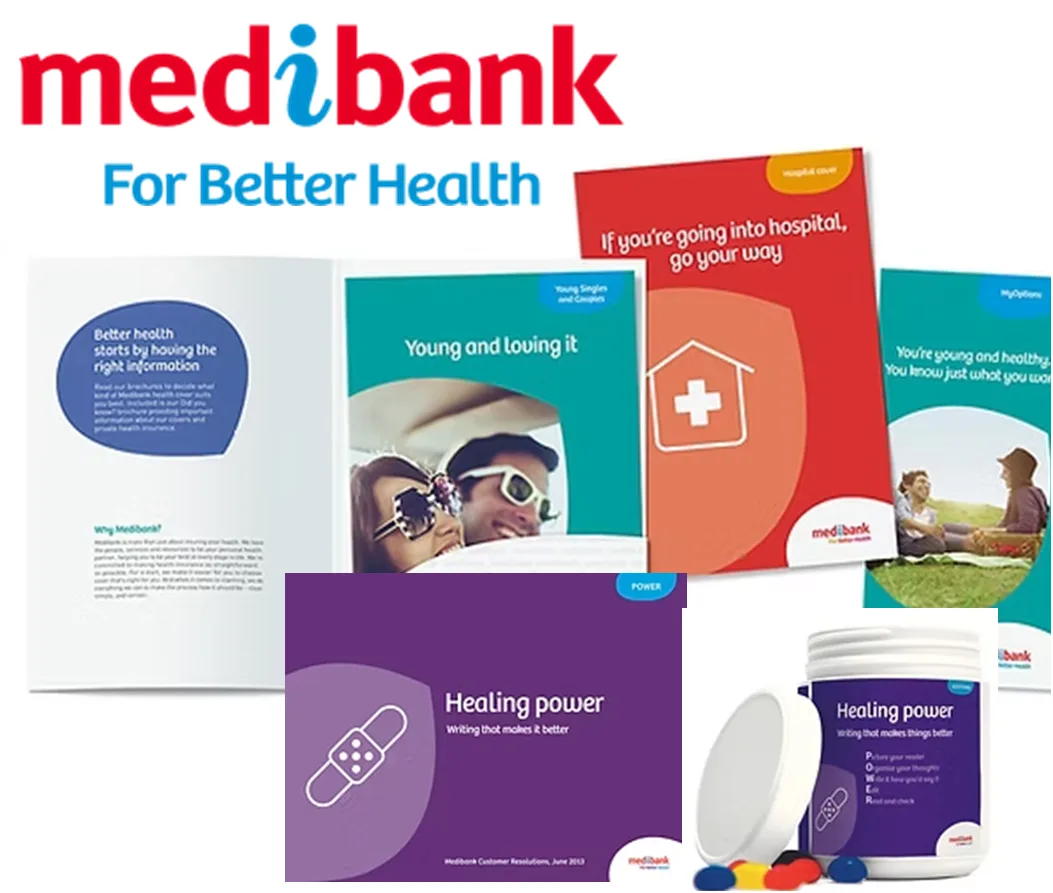
Medibank – Making Things Better
Transforming healthcare communication to make insurance simpler.
Read the case study ↗
NAB – Giving a Bank Its Voice
Updating a financial institution’s communications to reflect modern customer needs.
Read the case study ↗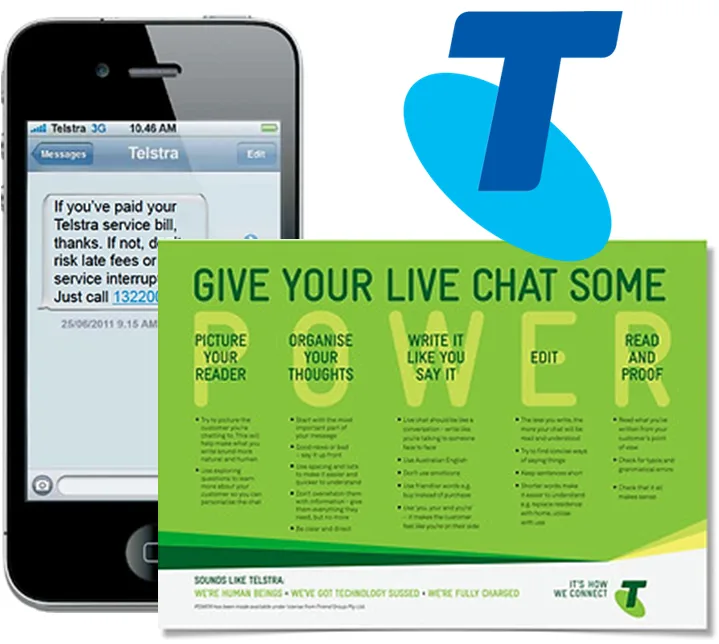
Telstra – Connecting with Words
Helping a telco improve customer engagement through clear, human communication.
Read the case study ↗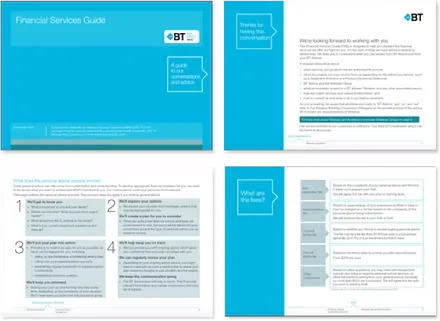
BT - Advising the advisors
Improving financial advice documents for clarity and professionalism.
Read the case study ↗
QBE Insurance Provider – Turning Accidents into Positive Experiences
Re-framing claims communication to support customers during difficult times.
Read the case study ↗
Bank of Melbourne – Creating a Local Conversation
Building a regional brand voice tailored to Victorian communities.
Read the case study ↗
Gumtree – Helping Gumtree Gain Traction
Enhancing customer engagement for Australia’s leading online marketplace.
Read the case study ↗Why work with us
Proven, accredited, and easy to engage
Proven impact. Millions saved in reduced calls and complaints, on the projects listed above.
Easy to buy. We are on the NSW Government Qualification Scheme for Performance and Management Services (SCM0005) and ICT Services (SCM0020), the Local Government Amalgamation Supplier Panel, and other federal and state panels. See our panels and contracts.
The people who pioneered this work. Peter Vierod and Tony Rambaut have led CX communications practice in Australia for over a decade.
Engaged however suits you. A standalone communications project, or part of a broader service transformation.
Our product
Score your own communications
CommScore.AI scores every customer email, letter, SMS and chatbot response against five communication quality pillars and thirty checks, then shows how to close the gap.
Insights
Related insights

Moving to Digital: Redesigning Paper Letters for Email and SMS
A paper-to-digital migration succeeds when it preserves legal certainty, improves readability, and protects customers who cannot or will not go digital.…
Read the article ↗Regulatory Communication: Balancing Compliance with Readability
Regulatory communication can be both compliant and readable when you design it as a controlled system, not a one-off letter. Map every requirement to a…
Read the article ↗The Customer Correspondence Audit: Identifying Friction Points in Your Library
Read the article ↗Writing for All: Meeting Australian Accessibility Standards in Customer Comms
customer communications ensure every customer can understand and act on information regardless of disability, literacy level, or technology. In Australia…
Read the article ↗How Confusing Correspondence Spikes Contact Centre Volumes (And How to Fix It)
Confusing customer correspondence is a primary driver of avoidable contact centre demand. When letters, emails, and digital messages are unclear…
Read the article ↗The ROI of Plain English: Saving Millions Through Clarity
Plain English delivers measurable financial returns by reducing avoidable contact, rework, complaints, and compliance risk. Organisations that replace…
Read the article ↗Writing Skills for Contact Centre Agents: Moving Beyond Templates
Contact centre writing improves when agents use principles, not scripts. Replace rigid templates with a simple, coached framework: intent first, plain…
Read the article ↗Communicating Bad News: Best Practices for Service Outages and Price Rises
When service fails or prices rise, customers judge your organisation less by the event and more by clarity, timing, and fairness of your response. Use a…
Read the article ↗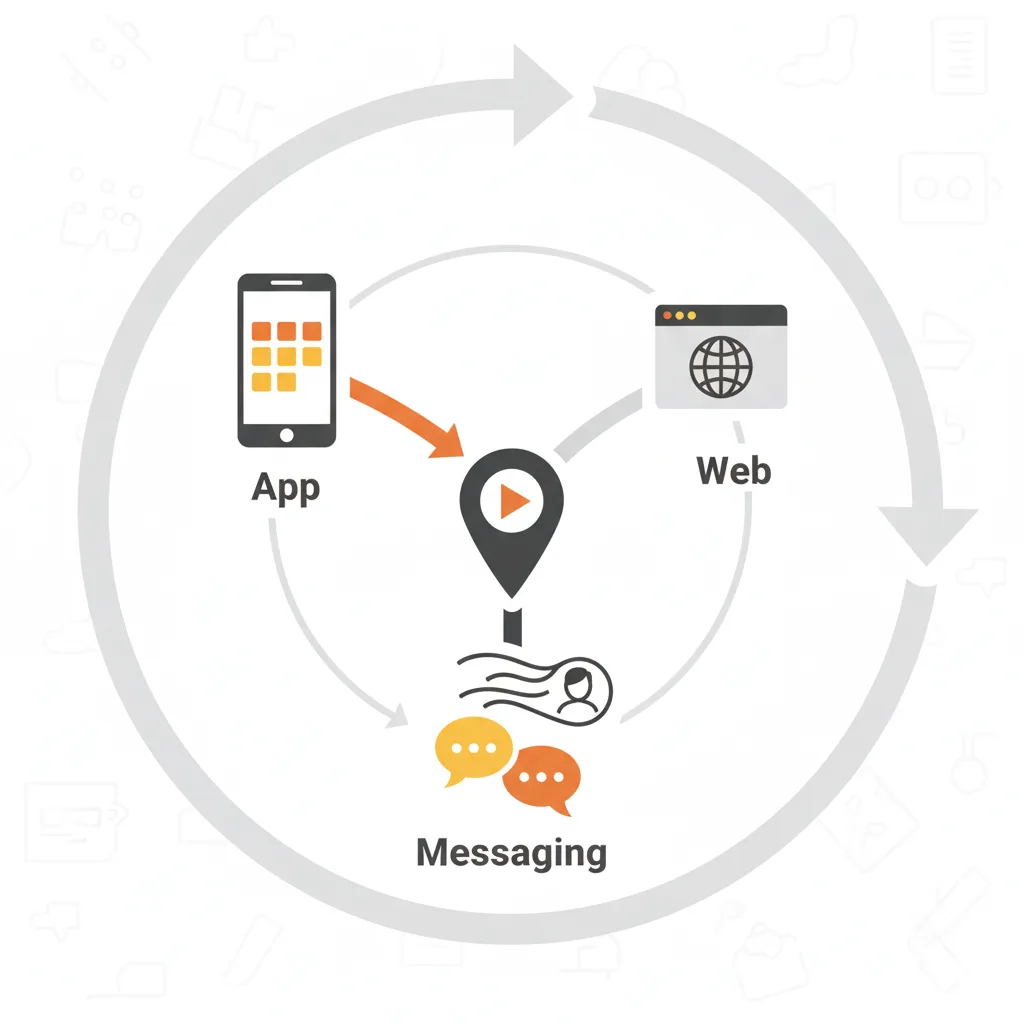
App vs Web vs Messaging: Choosing Your Primary
Executives choose channel primacy to concentrate investment, simplify governance, and accelerate measurable outcomes. A primary channel anchors design…
Read the article ↗


Send us the letter you like least. We will tell you what it is costing you.
Common questions
What is CX communications?
It is the strategy, design and delivery of clear, human and compliant customer messages across letters, email, SMS and chat that support the experience and reduce cost-to-serve.
How do you measure ROI?
We baseline call volumes, complaints and satisfaction, then track changes post-implementation. Clients typically see material call deflection, faster resolution and improved CSAT.
Can you work within strict legal and compliance requirements?
Yes. We collaborate with legal, risk and privacy teams to maintain obligations while improving clarity for customers.
Do you provide training and playbooks?
We deliver practical workshops, eLearning and voice-and-tone playbooks so teams sustain results independently.