




















2-Week Service Sprint Template

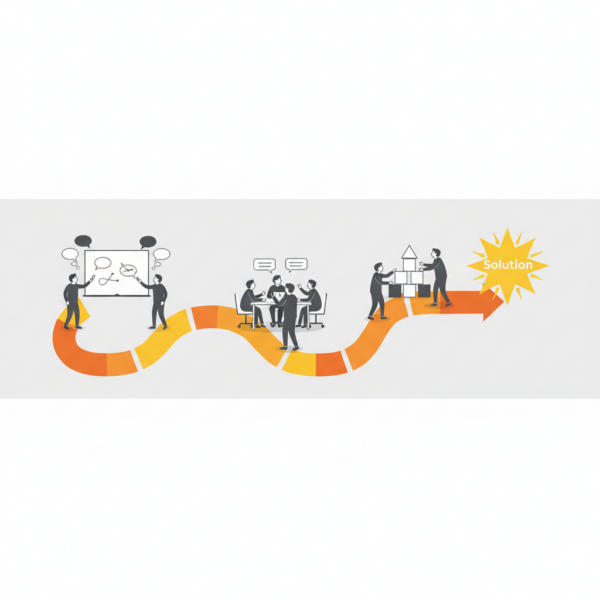
Why run a two-week service sprint now? Leaders face stalled transformation roadmaps while customers expect faster, simpler service. A two-week service sprint compresses discovery, design, delivery, and measurement into a single operating cycle that creates momentum and proof of value. Scrum defines a sprint as a fixed timebox to build a usable increment, which fits…
MVP vs MLP (Lovable): What to Ship First

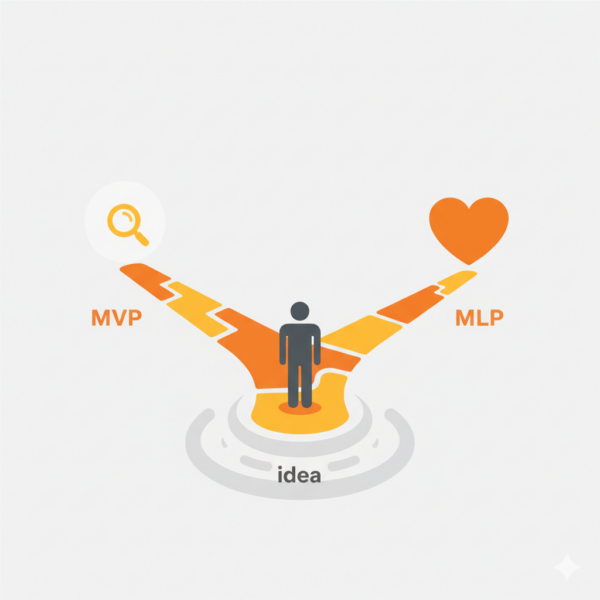
Why does the MVP vs MLP decision matter for service outcomes? Executives set trajectory when they choose what to ship first. The first release anchors customer expectations, shapes internal delivery habits, and influences how quickly a service learns from the market. Leaders who ship a Minimum Viable Product pursue validated learning with the smallest effort…

Agile vs Ad Hoc: Governance Matters

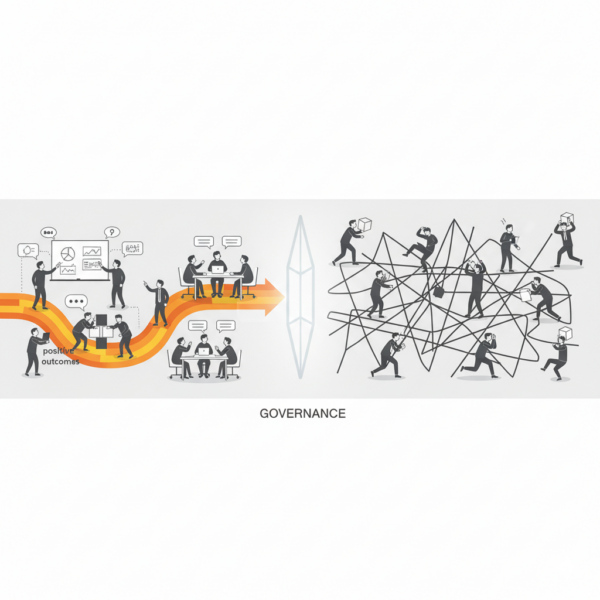
Why do leaders confuse agility with ad hoc activity? Leaders conflate agility with ad hoc activity when pace becomes the only visible metric. Teams move quickly, but without governance the work lacks a clear definition of value, agreed decision rights, or a traceable path from intent to outcome. This confusion drains trust, increases rework, and…

Service Kanban: WIP, Classes of Service, SLAs

Why should service leaders care about Service Kanban now? Service operations face volatile demand, fragmented channels, and rising expectations. Leaders need a simple control system that makes work visible, constrains overload, and aligns effort to customer promises. Service Kanban provides that control. It visualizes flow, limits work in progress, and uses explicit policies to prioritize…

Experiment Design in Service Contexts

Why do service leaders need disciplined experiment design now? Executives face volatile customer expectations and rising operational complexity. Teams deploy features, scripts, and policies quickly, yet many changes underperform in production. Leaders reduce that risk when they treat each change as a falsifiable hypothesis and evaluate it through controlled experiments. Well-designed experiments separate signal from…

User Story Patterns for Service Work

Why do user story patterns matter in service work? Leaders standardize how teams talk about work to unlock speed, quality, and accountability. Service operations handle requests, incidents, journeys, and compliance tasks that do not fit classic product backlogs. Teams that adopt service-ready user story patterns create a common grammar that captures customer intent, operational constraints,…

Cadence and Governance for CX Agility

Why do cadence and governance decide CX agility? Cadence sets the rhythm for how customer experience teams plan, test, and learn. Governance defines the rules that make that rhythm safe, consistent, and scalable. Together they create a repeatable operating system that lets leaders move quickly without losing control. High performing service organizations pair short learning…

Hypotheses, Backlogs, and Service Outcomes

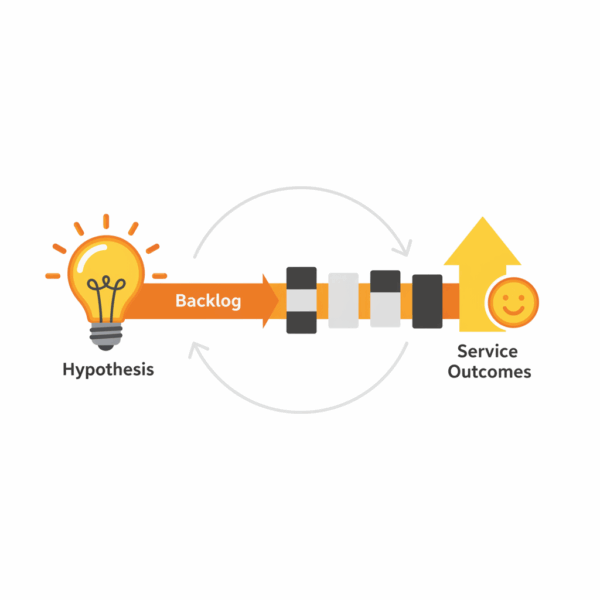
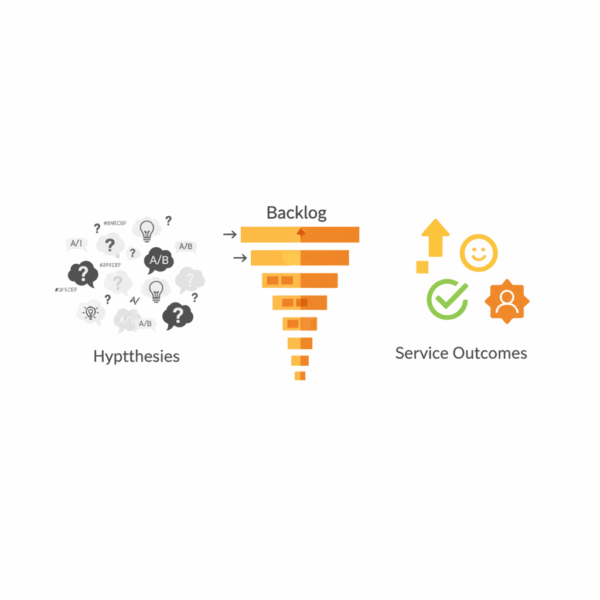
Why do hypotheses belong in every service transformation? Leaders improve services when they treat change as a set of testable bets. A hypothesis frames a belief about value, defines a measurable signal, and anchors the smallest slice of work that can prove or disprove the idea. This approach reduces waste, speeds learning, and aligns teams…

Hypotheses, Backlogs, and Service Outcomes

What is a hypothesis in service transformation? Leaders treat a hypothesis as a clear, testable belief about how a change will improve a customer or operational outcome. A good hypothesis names the user, the problem, the proposed change, and the expected outcome. It creates a contract for learning that teams can validate with evidence, not…

Agile vs Waterfall for Services

What problem are service leaders actually trying to solve? Service leaders face a dual mandate. They must reduce risk in regulated environments while speeding value delivery to customers who expect continuous improvement. Agile and Waterfall offer distinct governance models for this tension. Agile is an iterative method that delivers value in small increments with frequent…