






















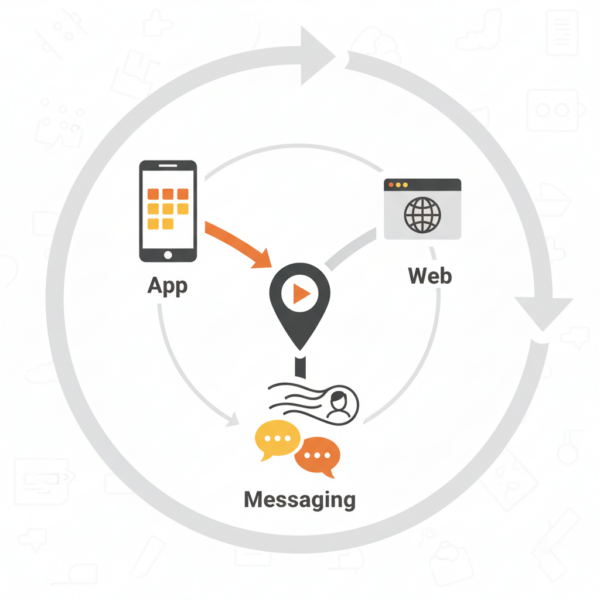
App vs Web vs Messaging: Choosing Your Primary

Why does channel primacy matter now? Executives choose channel primacy to concentrate investment, simplify governance, and accelerate measurable outcomes. A primary channel anchors design, data, and delivery decisions. The alternative is diffusion: duplicated roadmaps, fractured signals, and rising service costs with unclear ROI. Mobile adoption, changing privacy rules, and the reconfiguration of app stores and…
Avoiding Channel Cannibalization

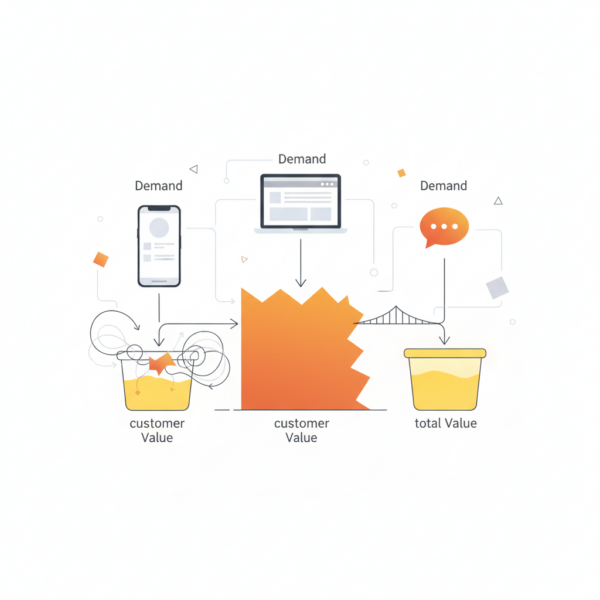
What is channel cannibalization in modern service models? Executives define channel cannibalization as one channel siphoning demand or margin from another without growing total value.¹ In customer experience and service transformation, this risk increases when digital service models launch rapidly without clear roles, pricing logic, or measurement guardrails. Channel conflict emerges when incentives push units…

Mobile-First Service UX Patterns

Why mobile-first service design now? Executives face mobile-dominant customer behavior and unforgiving expectations. Leaders cannot afford fragmented flows, slow load times, or hidden actions. The market has already moved. Google indexes and ranks primarily from the mobile version, which means mobile UX quality now drives findability and growth.¹ Mobile devices also generate the majority share…

Designing Self-Service Portals That Get Used

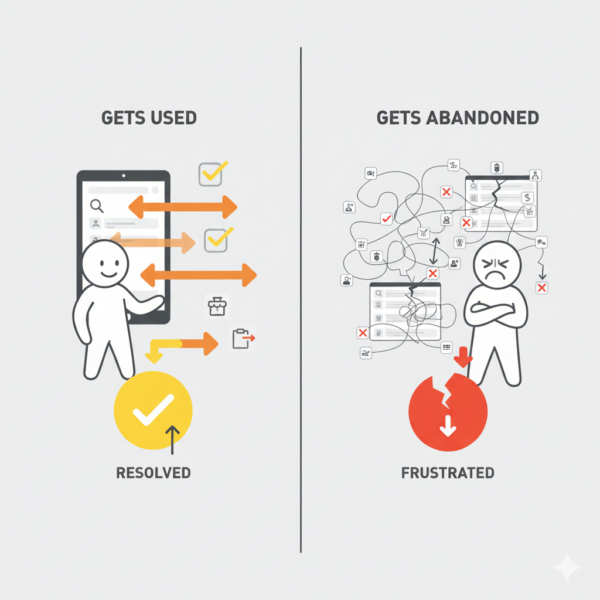
What is a self-service portal in 2025, and why does adoption lag? Executives define a self-service portal as a digital front door where customers find answers, complete tasks, and manage requests without agent intervention. The promise is simple, the execution is not. Customers still abandon portals when navigation hides answers, content feels stale, or escalation…

Identity, Consent, and Context Handover

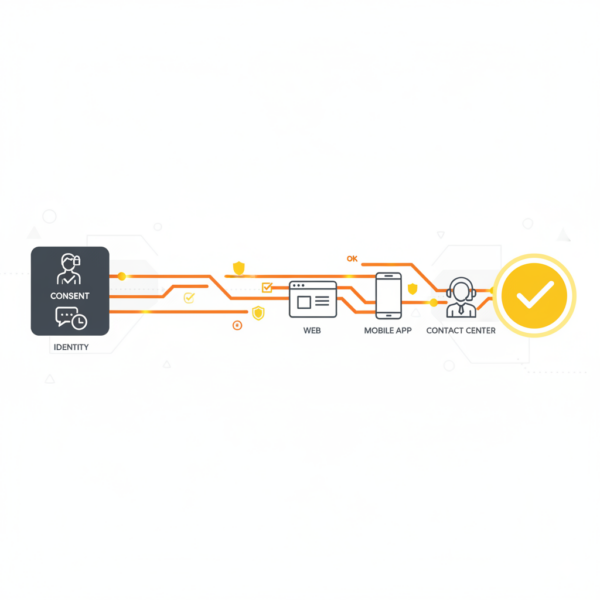
Identity, Consent, and Context Handover Why do identity, consent, and context handover matter in modern service models? Leaders run headlong into fragmentation when identity, consent, and context handover are treated as separate projects. Customers notice the seams when a chatbot cannot see purchase history, when a human agent repeats authentication, or when a mobile app…

Reference Architectures for Digital Services

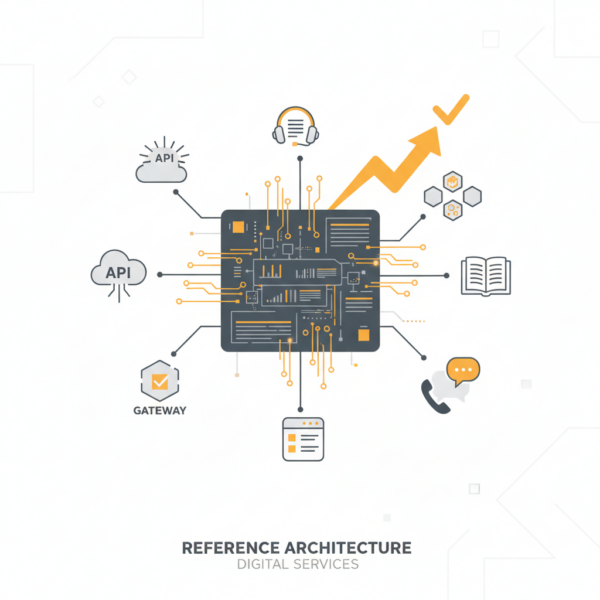
Reference Architectures for Digital Services Why do reference architectures matter in Customer Experience and Service Transformation? Leaders use reference architectures to speed decisions and reduce risk. A reference architecture is a validated blueprint that shows how capabilities, components and integration patterns fit together to deliver a repeatable digital service model. It codifies proven choices so…

Channel Strategy vs Channel Proliferation

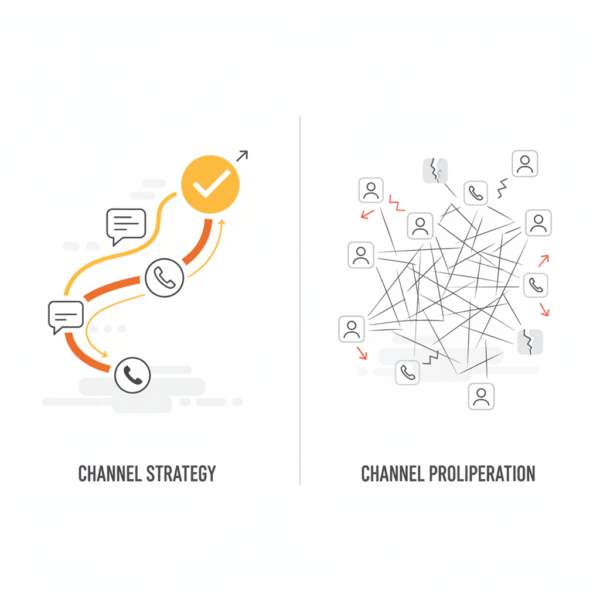
Why does channel strategy beat channel proliferation? Executives face a simple choice. Leaders choose a clear channel strategy. Laggards add channels. A channel strategy defines the outcomes, roles, guardrails, and economics for how customers engage across phone, digital, and human channels. Channel proliferation spreads scarce investment across ever more touchpoints without a coherent design. The…

ROI Calculator: Cost-to-Serve vs Experience Gains

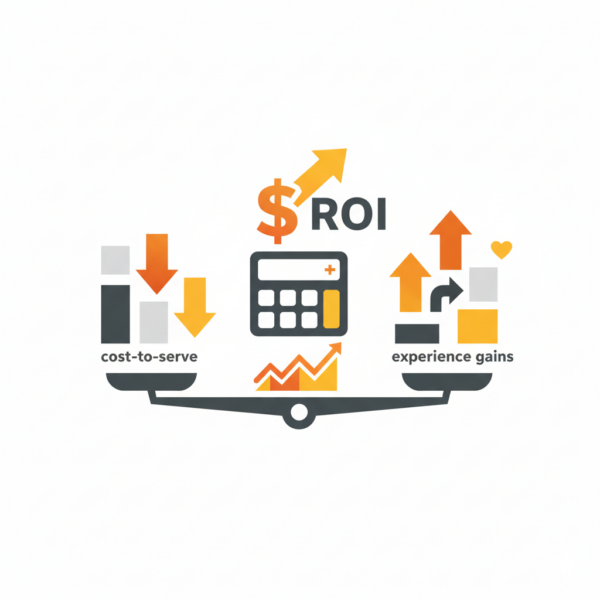
Why calculate ROI on customer experience and cost-to-serve? Executives demand clarity on value creation. An ROI model that links cost-to-serve reductions with experience gains gives boards a single language for growth, efficiency, and risk. Customer experience describes how customers perceive interactions across their lifecycle, while cost-to-serve quantifies all direct and indirect costs required to fulfill…

Case Study: 30% AHT Reduction Without NPS Loss

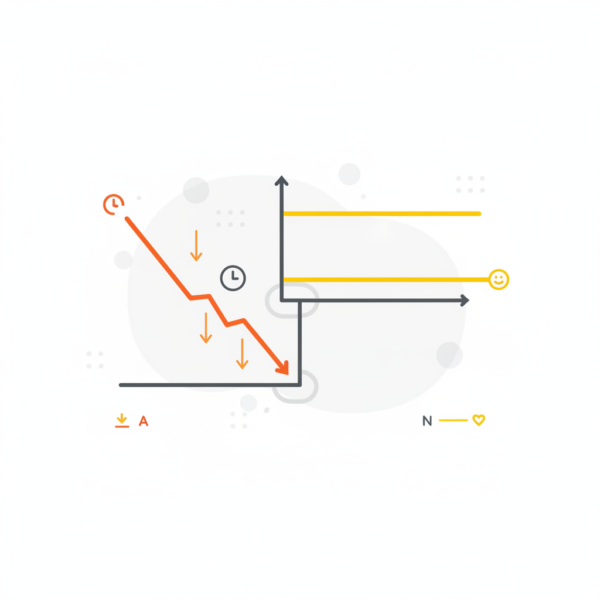
Executive summary that answers the board’s first question Leadership cut Average Handle Time by 30 percent in a complex, multi-channel contact center while holding Net Promoter Score flat. The program focused on process re-engineering, guided workflows, and after-call work automation. Average Handle Time, or AHT, measures the total duration of a customer interaction including talk…

Baseline and Uplift: Measuring Process Changes

What does a credible baseline look like in service operations? Leaders set a credible baseline by defining the starting level of performance before a process change occurs. A baseline anchors every uplift calculation. Good baselines use stable time windows, consistent data capture, and clear operational definitions. The baseline must reflect normal operating conditions, not an…