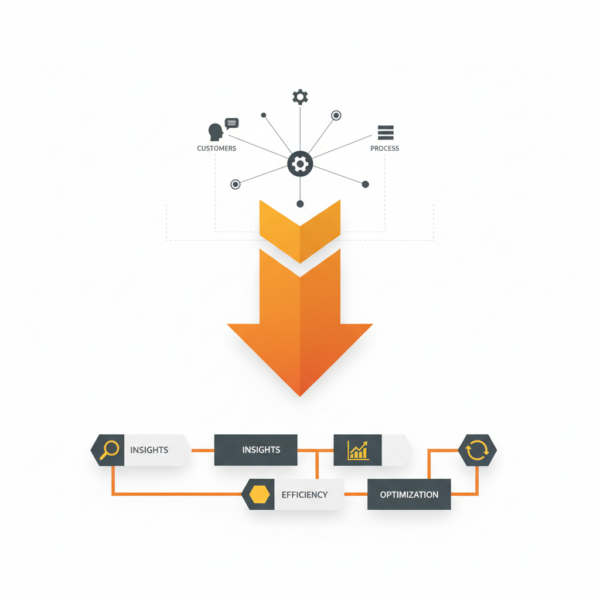































Beyond Systems Integration: Why You Need Business Process Orchestration

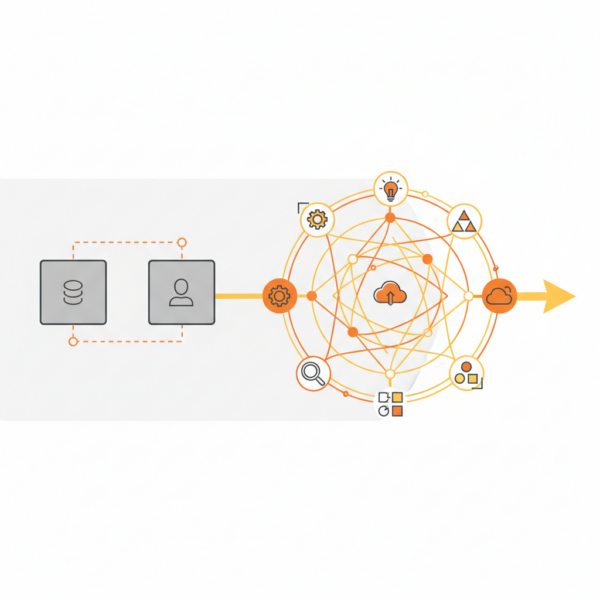
Business process orchestration turns disconnected CX tools into one governed, end-to-end operating model. It goes beyond systems integration by managing state, decisions, handoffs, and accountability across channels and teams. The result is fewer customer “dead ends”, faster resolution, clearer ownership, and measurable service outcomes, even as your CX ecosystem grows more complex. What is business…

The Economic Case for an Integrated CX Partner vs. Multiple Specialist Agencies

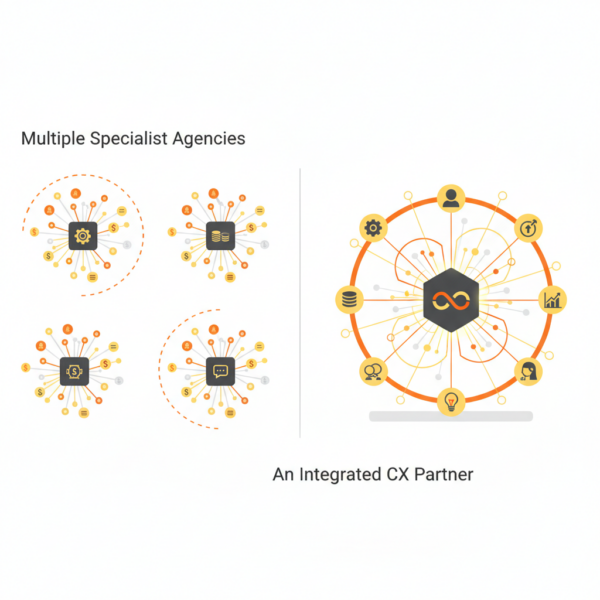
An integrated CX partner often delivers a higher integrated services ROI than multiple specialist agencies because it reduces coordination cost, duplicate tooling, and delivery rework. It also improves governance, data consistency, and speed to value. A strong business case quantifies these effects across operating expenditure, risk, and revenue drivers, then validates results through service standards…

Silo-Busting: How a CX Integrator Unifies Ops, Tech, and People

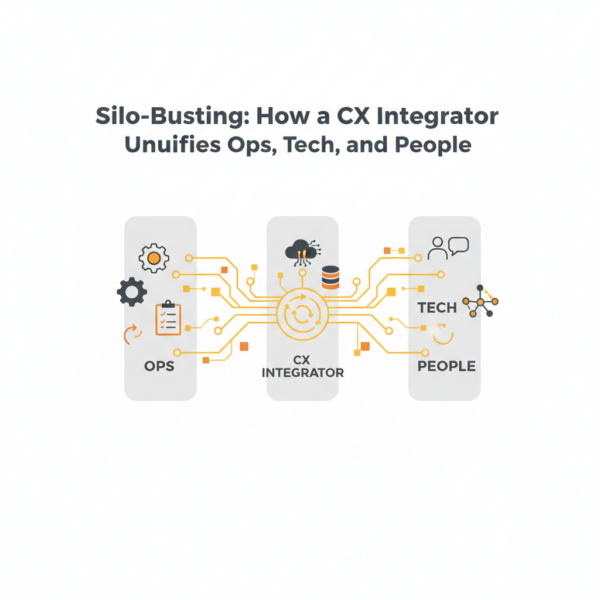
A CX Integrator breaks down silos in business by aligning operating processes, enabling technology, and frontline capability around one shared service outcome. The work creates a unified CX operating model with clear decision rights, cross-functional value streams, and a single measurement spine. The result is faster change delivery, fewer handoffs, and more consistent customer outcomes…

Single Point of Accountability: Reducing Risk in Digital Transformation

A single point of accountability (SPOA) reduces digital transformation risk by consolidating decision rights, delivery ownership, and vendor management into one accountable integrator. This model cuts coordination failures, prevents scope drift, strengthens controls, and improves service outcomes. It works best when governance is explicit, metrics are tied to customer and operational value, and third parties…

Moving from Strategy to Execution: The CX Orchestration Framework

A CX orchestration framework closes the CX strategy execution gap by translating intent into measurable journey outcomes, owned capabilities, governed decisions, and repeatable execution loops. It connects strategy, operating model, data, and service delivery so teams can prioritise the right fixes, implement them fast, and prove value through customer and cost outcomes.¹˒⁴ What is the…

The Hidden Cost of Multi-Vendor CX: Why Fragmentation Kills ROI

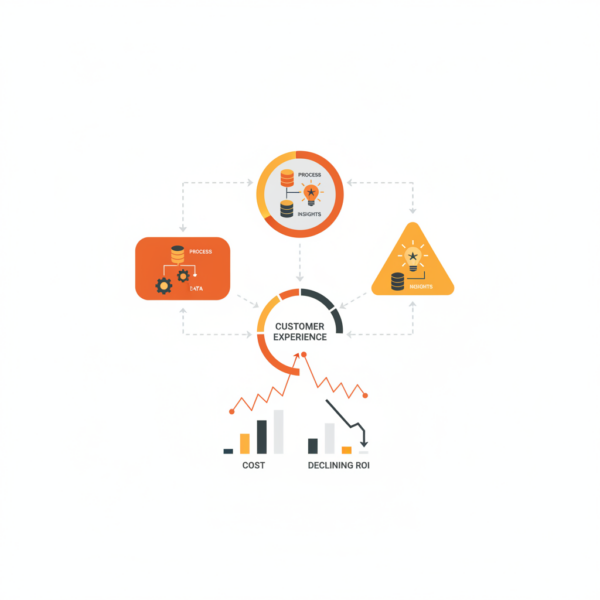
Fragmented, multi-vendor CX operating models quietly destroy ROI through duplicated work, inconsistent data, slower change, and higher risk exposure. A CX integrator with an integrated customer experience model reduces coordination overhead, improves service consistency, and makes outcomes measurable end to end. The business case is strongest where customer journeys cross channels, vendors, and governance domains,…

IVR Optimisation: Improving Self-Service Rates

IVR optimization improves self-service rates when it removes friction from call flows, captures intent early, and routes customers to the fastest successful outcome. The highest returns come from measuring where callers drop out, simplifying menus, adding smarter recognition and error recovery, and designing consistent handoff rules to agents. Done well, this reduces transfers, lowers cost…

Contact Centre Cost Reduction: Strategic Approaches

Contact centre cost reduction is most sustainable when it reduces avoidable demand, shifts simple work to lower-cost channels, and improves workforce productivity without increasing repeat contacts. The strongest programs combine service transformation, channel design, and operational discipline. This protects customer experience, stabilises risk, and delivers a measurable drop in cost per resolved customer need. Definition…

Customer Feedback Analysis: From Data to Insights

Customer feedback analysis turns messy, multi-channel customer signals into decisions that improve service, reduce cost-to-serve, and lift loyalty. Done well, it combines disciplined data handling, consistent taxonomy, and human-verified analytics to identify root causes, prioritise fixes, and prove impact. This article explains how to analyse customer feedback end to end, with practical governance, risk controls,…

SLA Management for Customer Service: Best Practices

SLA management in customer service works when service level agreements are tied to customer outcomes, measured with reliable service level indicators, and governed as an operating rhythm, not a document. The best approach defines scope, targets, and trade-offs, then uses consistent measurement, complaint feedback loops, and continuous improvement to prevent metric gaming and improve customer…