





















Is Your Organisation Ready for Agentic AI? A Readiness Framework

Agentic AI can deliver measurable productivity gains, but it also increases operational, security, privacy, and governance risk because it can plan and act across systems. This readiness framework helps Australian organisations assess maturity across leadership, controls, data, technology, and people, then build a staged adoption plan that protects customers, staff, and regulators while accelerating outcomes.…
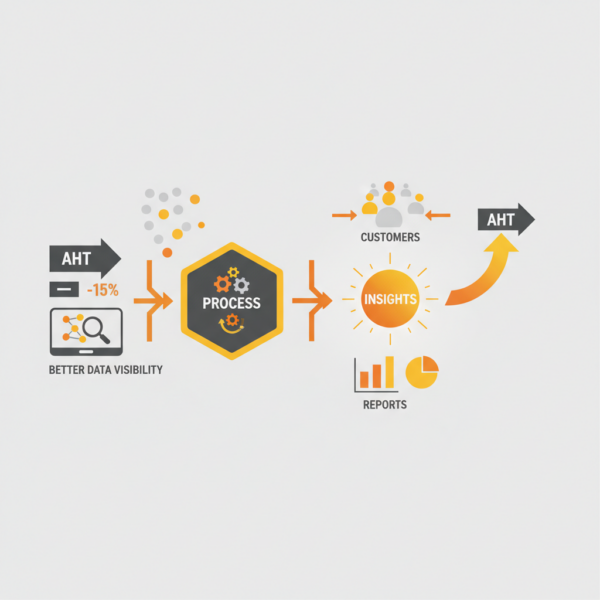
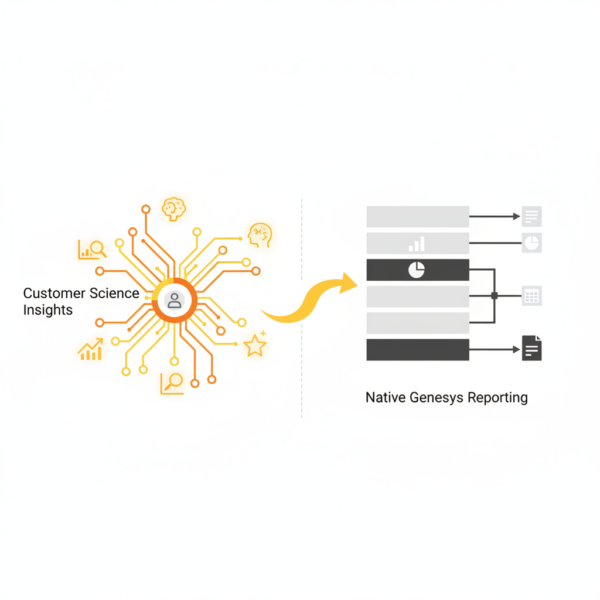
Customer Science Insights vs. Native Genesys Reporting: A Feature Comparison

Customer Science Insights can extend native Genesys reporting by unifying contact centre data with CRM and digital channels, improving metric consistency, and enabling governed, near real-time operational decisions. Native Genesys dashboards are strong for in-platform queue and agent visibility, but enterprises often outgrow them when they need cross-system attribution, controlled KPI definitions, and auditable reporting…

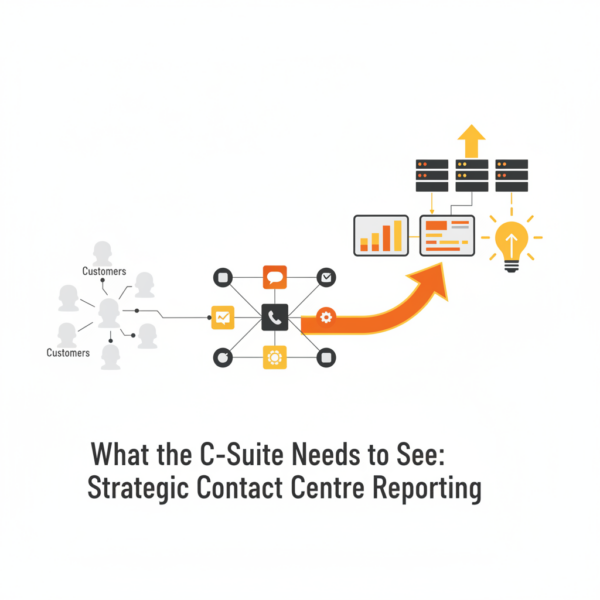
What the C-Suite Needs to See: Strategic Contact Centre Reporting

Strategic contact centre reporting should show the C-suite how service performance affects revenue, cost, risk, and trust. It must move beyond activity metrics to outcomes such as resolution, customer effort, vulnerability impact, and operational resilience. Executives need a small set of decision-grade indicators, a clear story of causes, and proof the data is reliable and…

Using Data to Drive Engagement: Gamification in the Contact Centre

Data-driven gamification lifts contact centre engagement when it uses reliable operational data, clear behavioural definitions, and human-centred design. The highest-impact programs reward quality, learning, and customer outcomes, not just speed. Leaders should instrument fairness, privacy, and wellbeing controls from day one, then prove impact with a controlled measurement plan across engagement, performance, and customer metrics.…

From Insight to Action: Using Data to Drive Intraday Management

Intraday management turns live operational data into decisions within the same shift. It protects service level, customer experience, and labour cost when demand, handle time, or availability change unexpectedly. The practical path is a closed-loop model: detect variance early, choose the smallest effective lever, measure impact within 30–60 minutes, then standardise what works. Definition Intraday…

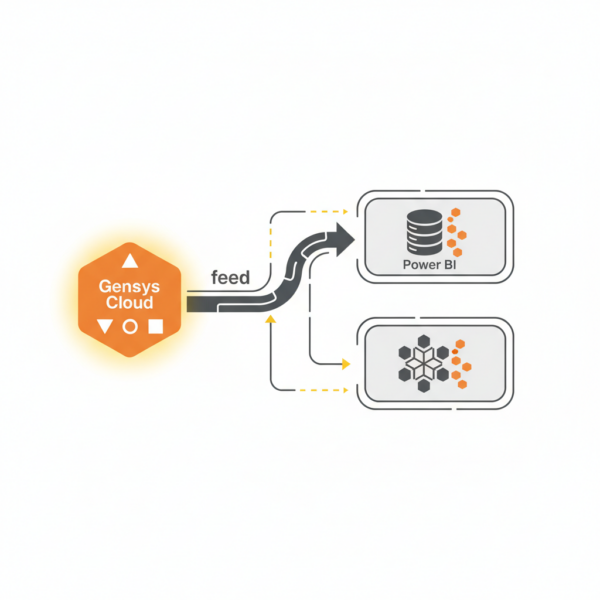
How to Feed Genesys Cloud Data into Power BI or Snowflake

Genesys Cloud data can feed Power BI or Snowflake through three reliable patterns: API-based extraction into a warehouse, file-based export into cloud storage with automated loading, or direct Power BI connectivity to curated tables. The best choice depends on latency needs, governance maturity, and reporting scale. A warehouse-first approach usually improves data quality, auditability, and…

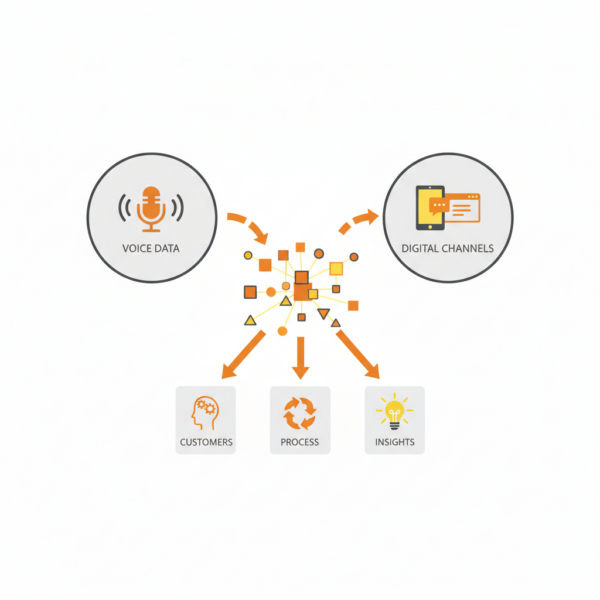
Breaking Data Silos: Combining Genesys Voice Data with Digital Channels

A practical way to break data silos is to treat Genesys voice interactions as a first-class customer journey event and integrate them with digital touchpoints through shared identity, consistent data quality rules, and governed pipelines. This enables reliable journey analytics, faster root-cause detection, better self-service containment, and stronger privacy and security outcomes under modern standards…

The Value of True Real-Time: Why 15-Minute Latency Kills Performance

A 15-minute data delay breaks the management loop. Leaders act on stale signals, so small demand shifts become service failures, wasted labour, and avoidable risk. True real-time reduces time-to-detect and time-to-correct, stabilises performance, and improves customer outcomes. Research links stronger “real-time” operating capability with materially higher growth and margins, reinforcing real-time as a board-level priority.¹…