


















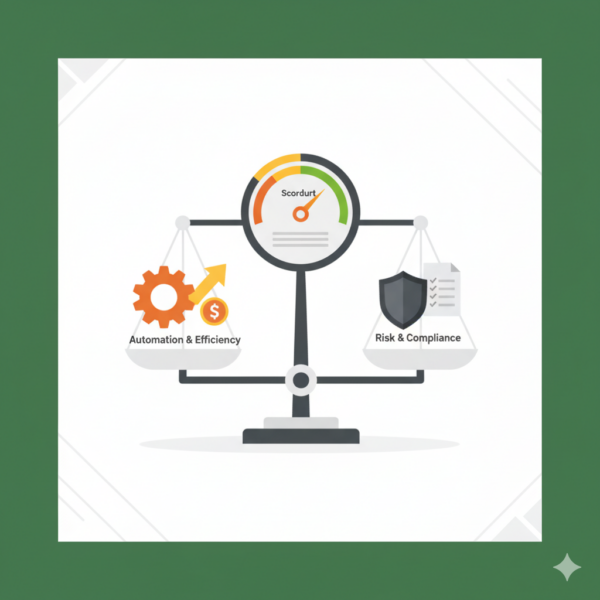
Risk & Compliance Scorecard for Automation

Why do CX leaders need a risk and compliance scorecard for automation? Executives face a dual mandate. Leaders must scale automation to reduce cost-to-serve while strengthening compliance and customer trust. Many programs move fast without guardrails, which increases exposure to privacy breaches, biased decisions, and operational disruption. A risk and compliance scorecard gives decision makers…
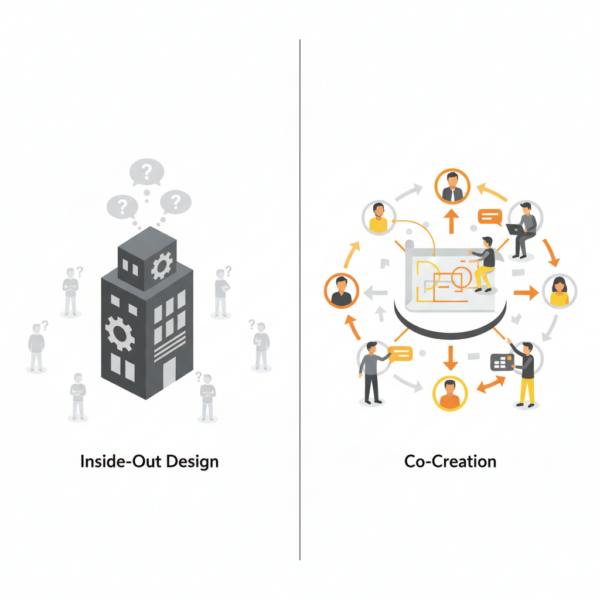
Why Co-Creation Beats Inside-Out Design

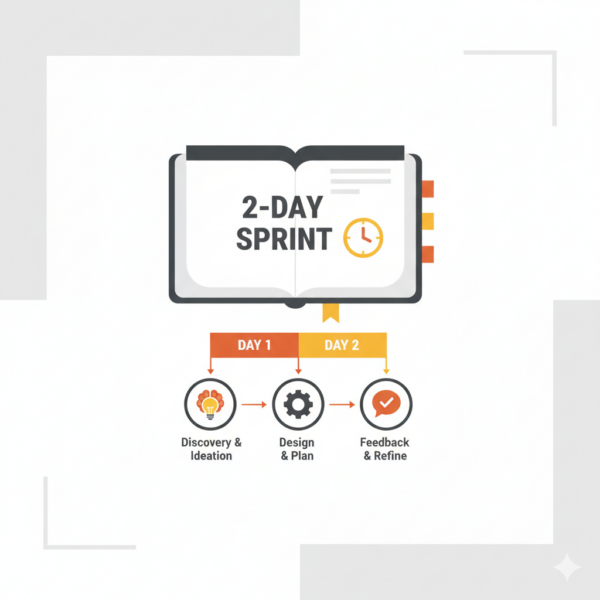
What is co-creation and why should leaders care? Executives face a common problem. Traditional, inside-out design optimizes for internal constraints, not for customer value. Co-creation solves this by inviting customers to shape value propositions, journeys, and operating models as equal partners. Co-creation is the structured involvement of customers in discovery, design, and delivery to produce…

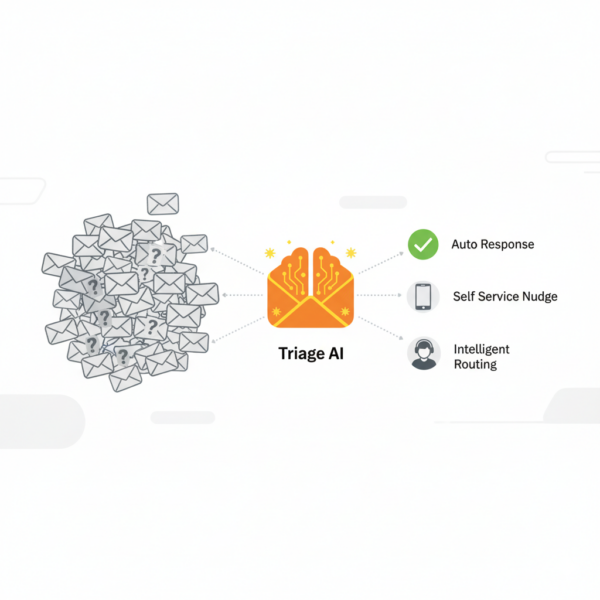
Case Study: 40% Email Deflection via Triage AI

What problem did the service organisation need to solve? A national services organisation faced a rising email backlog that drove missed SLAs, rising cost to serve, and low agent morale. Incoming demand outpaced staffing. Customers waited days for simple updates. Leaders lacked visibility into intent, priority, and risk across email channels. Manual triage created inconsistency…

Automation Value Model: Containment, AHT, NPS

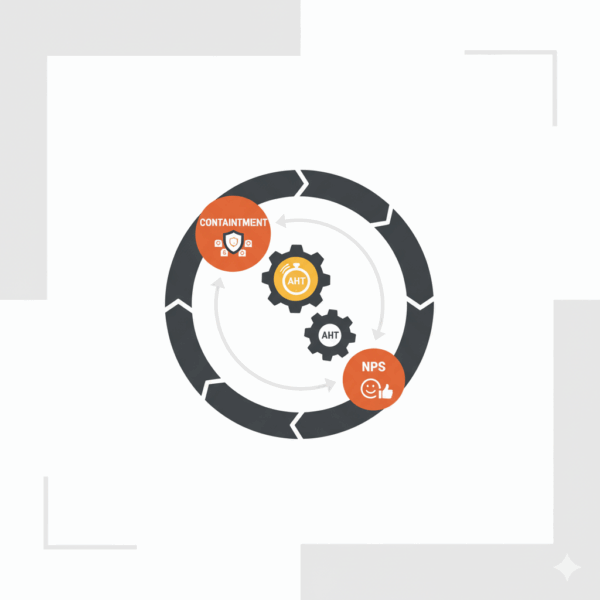
Why do CX leaders need a unified automation value model now? C-level executives face a simple mandate. Reduce cost to serve while lifting customer trust. Automation delivers on both when leaders measure the right things in the right order. An automation value model that aligns Containment, Average Handle Time, and Net Promoter Score gives executives…

Service Recovery with Smart Automation

What is service recovery with smart automation? Service leaders define service recovery as the structured response to a customer-impacting failure that restores confidence, resolves the issue, and protects lifetime value. Smart automation applies rules, analytics, and AI to detect failures, triage root causes, orchestrate workflows, and deliver timely, human-calibrated remedies across channels. The goal is…

Proactive Alerts and Next-Best-Action Playbook

Why should leaders hardwire proactive service and next-best-action into 2026 plans? Executives face rising service costs, impatient customers, and tightening privacy enforcement. Leaders who treat customer service as a strategic engagement channel outperform peers on cost and loyalty by shifting from reactive case handling to proactive alerts and next-best-action decisioning. McKinsey analysis shows AI-enabled customer…

Conversation Flow Templates for Chat/Voice

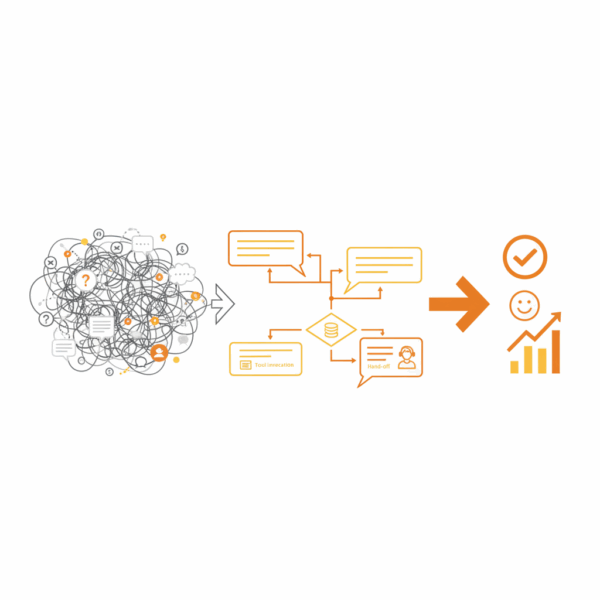
Why do conversation flow templates matter now? Leaders demand service that is fast, personal, and reliable across every channel. Conversation flow templates give contact centers a reusable blueprint for how chat and voice interactions should start, gather context, resolve, and hand off without friction. Well-structured flows reduce handling time, raise first contact resolution, and protect…

Narrow AI vs General AI in Service

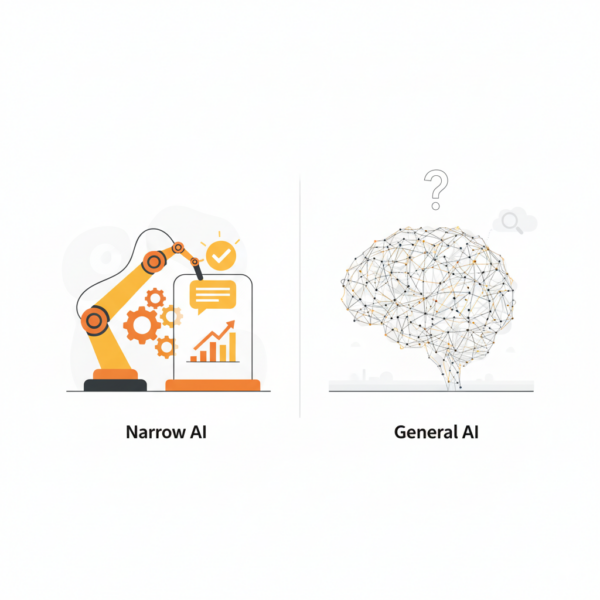
Why the narrow vs general AI distinction matters in service Executives face a choice between proven narrow AI that targets specific tasks and aspirational general AI that aims to match human versatility. This choice shapes service strategy, operating cost, and risk posture. Narrow AI optimizes customer journeys by automating classification, retrieval, routing, summarization, and recommendation…

Service Knowledge as a Graph

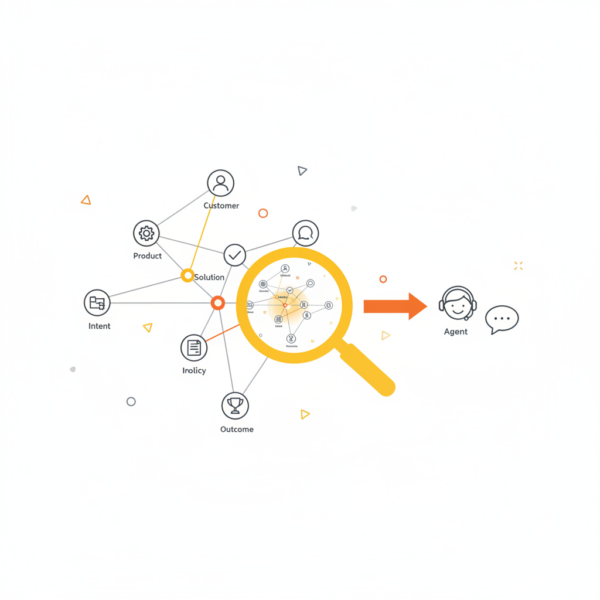
What is a “service knowledge graph” in plain terms? Leaders define a service knowledge graph as a connected representation of people, processes, policies, systems, and service events that an organization uses to answer questions and automate decisions. A knowledge graph stores entities as nodes, relationships as edges, and attributes as properties that give context. This…

Human-in-the-Loop Controls and Guardrails

Why do human-in-the-loop controls matter right now? Leaders face a new operational reality where AI can accelerate service outcomes and also magnify risk. Executives need a model for human-in-the-loop controls that puts people in charge of automation without slowing the business. Human oversight reduces model error, surfaces bias early, and protects customers when systems behave…