























Identity/Context Handoff Across Partners

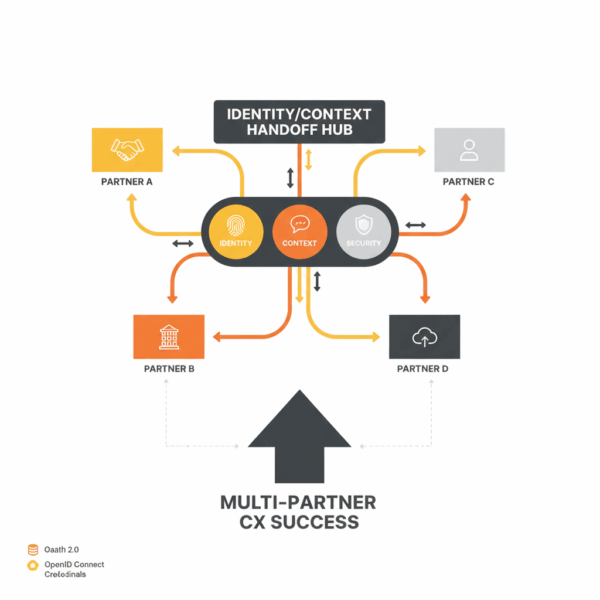
Why does identity and context handoff decide multi-partner CX success? Leaders run multi-partner ecosystems to meet customer expectations, but identity breakdowns create friction that customers feel instantly. Identity and context handoff is the controlled transfer of who the customer is and what is happening in their journey between parties. Good handoff preserves authentication, authorisation, and…

APIs, Integration Patterns, and Data Contracts

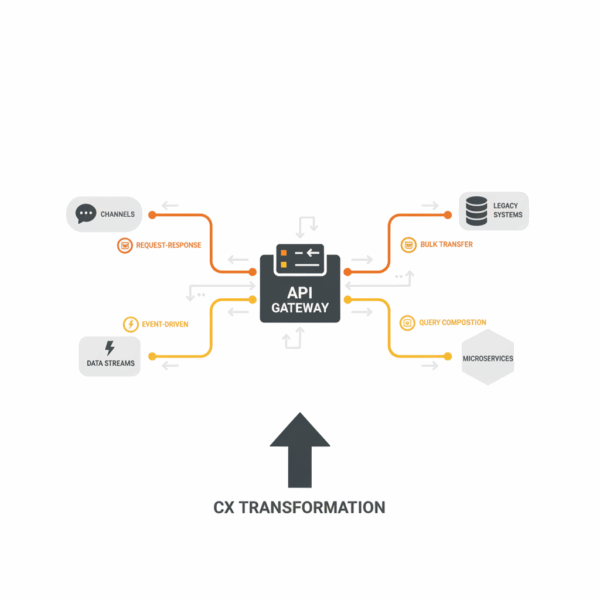
Why do APIs set the pace for Customer Experience transformation? APIs connect channels, data, and services so customers get fast, consistent outcomes across every touchpoint. Well designed interfaces shorten cycle times, improve reliability, and unlock reuse across the ecosystem. Executives use APIs to decouple change, which means teams can ship improvements without breaking critical journeys.…

Platform Thinking for Services

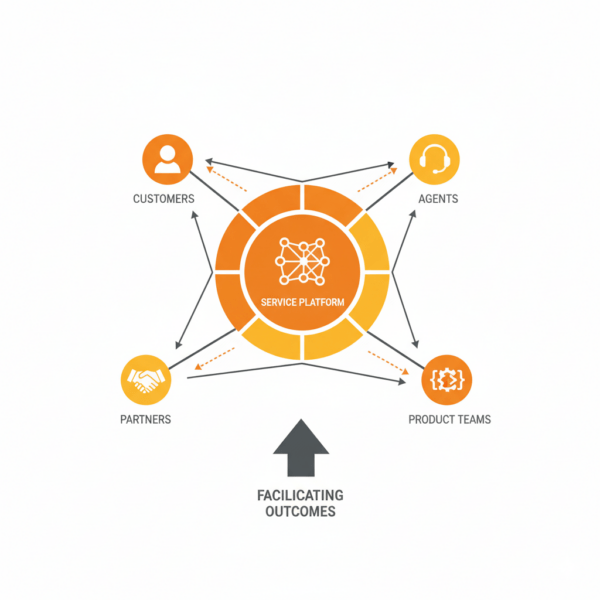
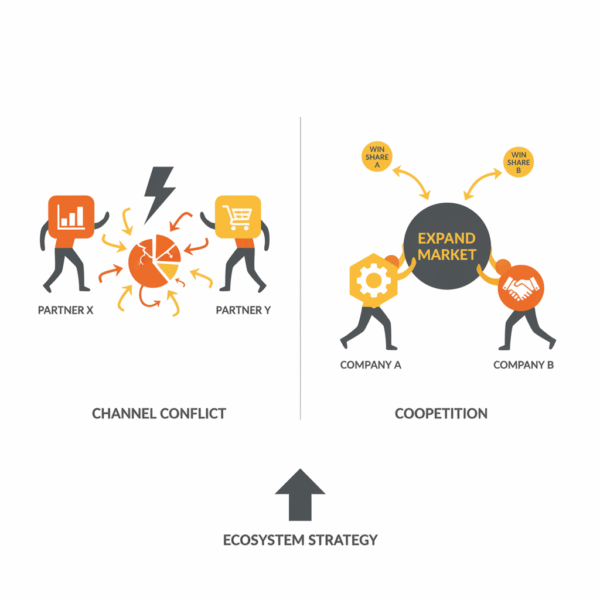
Why do services need platform thinking now? Leaders face a structural shift. Digital networks concentrate demand, compress cycles, and reward orchestrators that turn services into scalable exchanges. Platform thinking reframes a service not as a linear process but as a managed marketplace of interactions among customers, employees, partners, and data. In contrast to pipeline operations,…

Build, Buy, Partner: Strategic Choice Framework

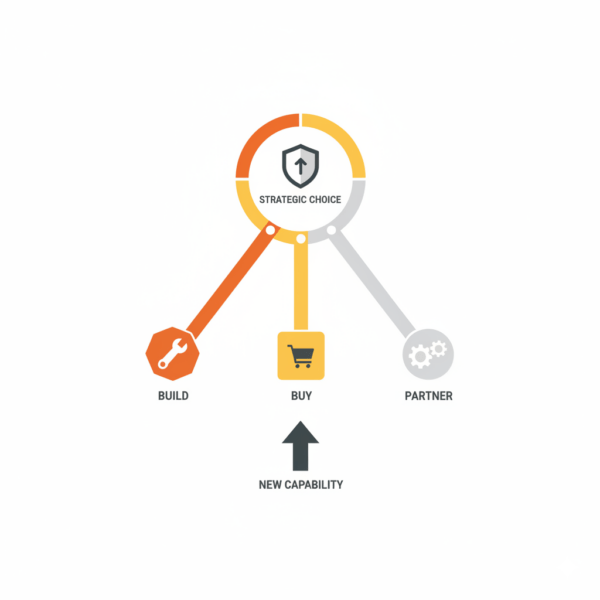
Why do CX leaders need a build–buy–partner decision today? Executives face a simple choice with complex implications. Leaders either build capabilities internally, buy them via acquisition or technology procurement, or partner to access them through an ecosystem. Transaction Cost Economics defines this as choosing the most efficient governance structure for a given activity once coordination,…

Compliance Scorecard: Privacy, Safety, Accessibility

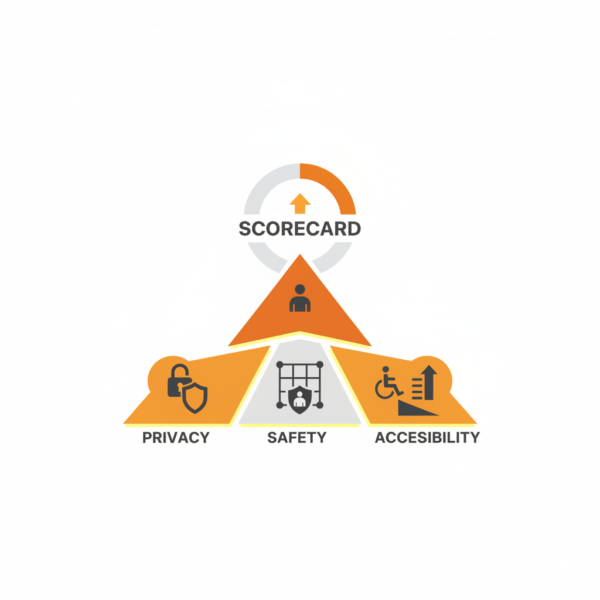
What is a compliance scorecard for privacy, safety, and accessibility? Leaders use a compliance scorecard to quantify how well an organisation protects personal data, reduces harm, and enables inclusive access across products and services. The scorecard turns abstract obligations into measurable controls. Privacy defines how an entity collects, uses, stores, and deletes personal information under…

Case Compendium: Inclusive Service Wins

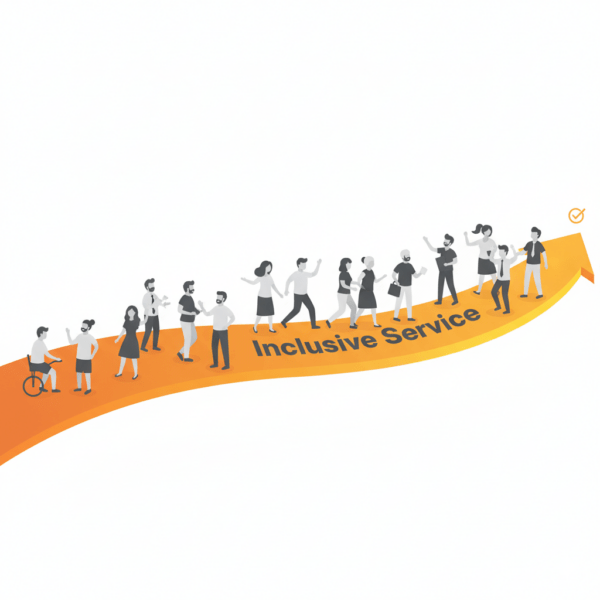
Why inclusive service belongs on the CEO agenda Executives set ambition. Executives also set the pace. Inclusive service earns growth by removing barriers that keep valuable customers out. One in six people worldwide lives with a disability, which represents about 1.3 billion customers who encounter friction in everyday services.¹ This market is not niche. It…

Impact Dashboard: People, Planet, Profit

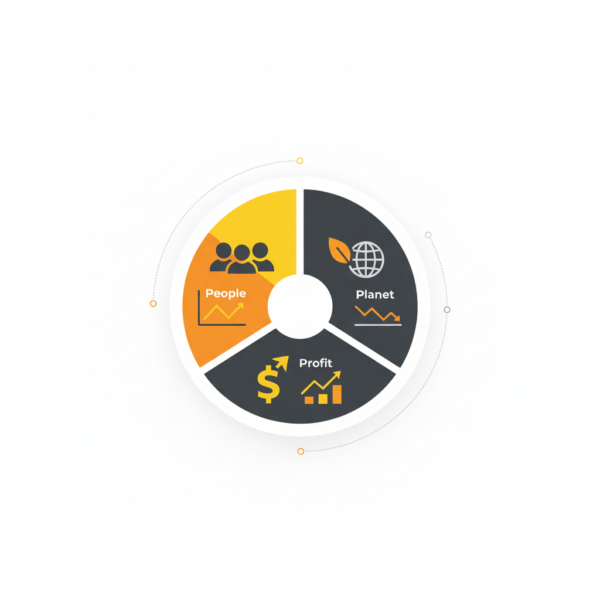
Why do leaders need an impact dashboard that speaks people, planet, and profit? Executives want one view of truth that connects customer experience to environmental and financial outcomes. A well designed impact dashboard translates activity into outcomes and outcomes into decisions. It aligns operating data, sustainability disclosures, and customer signals in a single structure that…

Supplier Code of Conduct & Audits

Why do leading enterprises operationalise supplier conduct now? Executives face a simple reality: customers judge brands by the behaviour of their suppliers. A Supplier Code of Conduct sets explicit expectations for labour, environmental, and ethical practices, and audits verify that suppliers meet those expectations in practice. A clear Code plus a disciplined audit program reduces…

Change Management for Responsible Upgrades

Why responsible upgrades matter now? Executives set the pace for upgrades that customers feel, employees absorb, and the planet pays for. Responsible upgrades align technology modernisation with customer experience, risk control, and sustainability outcomes. The discipline connects change management with responsible design so organisations capture value without creating hidden costs in trust, waste, or emissions.…

Low-Carbon Journey Patterns

What are “low-carbon journey patterns” and why should CX leaders care? CX teams design journey patterns to guide customers through tasks such as paying a bill, getting support, or filing a claim. Low-carbon journey patterns optimize these journeys for minimal greenhouse gas emissions without sacrificing experience quality. This approach treats carbon as a first-class design…