













Cadence and Governance for CX Agility

Why do cadence and governance decide CX agility? Cadence sets the rhythm for how customer experience teams plan, test, and learn. Governance defines the rules that make that rhythm safe, consistent, and scalable. Together they create a repeatable operating system that lets leaders move quickly without losing control. High performing service organizations pair short learning…
Hypotheses, Backlogs, and Service Outcomes

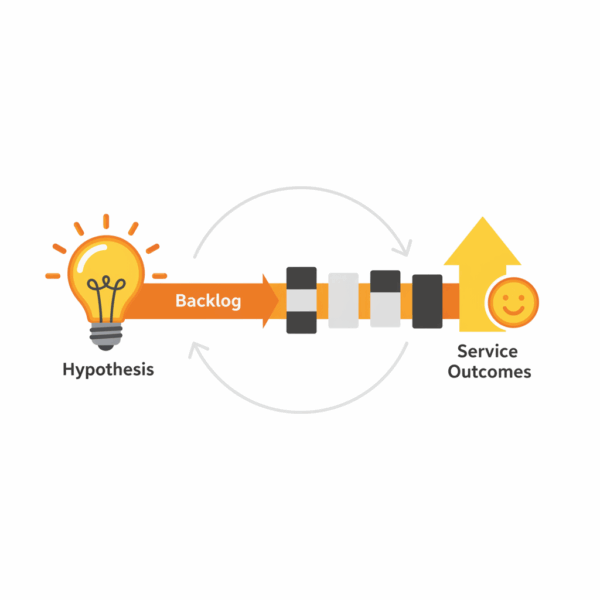
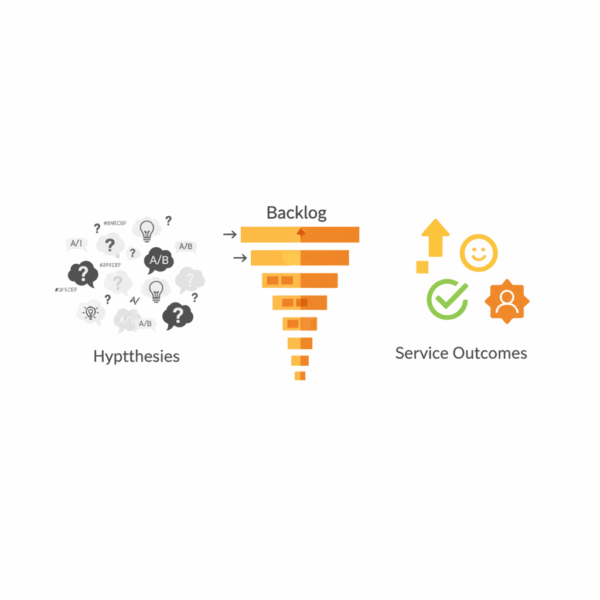
Why do hypotheses belong in every service transformation? Leaders improve services when they treat change as a set of testable bets. A hypothesis frames a belief about value, defines a measurable signal, and anchors the smallest slice of work that can prove or disprove the idea. This approach reduces waste, speeds learning, and aligns teams…

Hypotheses, Backlogs, and Service Outcomes

What is a hypothesis in service transformation? Leaders treat a hypothesis as a clear, testable belief about how a change will improve a customer or operational outcome. A good hypothesis names the user, the problem, the proposed change, and the expected outcome. It creates a contract for learning that teams can validate with evidence, not…

Agile vs Waterfall for Services

What problem are service leaders actually trying to solve? Service leaders face a dual mandate. They must reduce risk in regulated environments while speeding value delivery to customers who expect continuous improvement. Agile and Waterfall offer distinct governance models for this tension. Agile is an iterative method that delivers value in small increments with frequent…

Participation Metrics: Engagement, Diversity, Depth

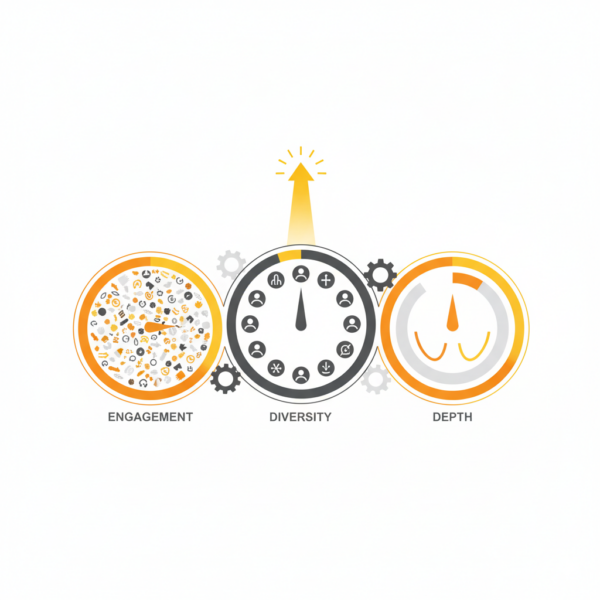
What do “participation metrics” actually measure? Leaders measure participation to see who shows up, how they contribute, and what value co-creation generates. Participation metrics track engagement, diversity, and depth to give an evidence base for service innovation. Engagement counts the volume and frequency of interactions across channels and moments in a journey. Diversity records the…

Case Library: Co-Creation Wins and Misses

What is co-creation, really? Executives define co-creation as a structured approach to designing products and services with customers, partners, and employees to generate mutual value. Co-creation differs from feedback collection because participants influence problem framing, solution generation, and testing. Research summarises co-creation as a family of methods that import outside knowledge into innovation programs and…

Signal-to-Noise: Validating Co-Creation Inputs

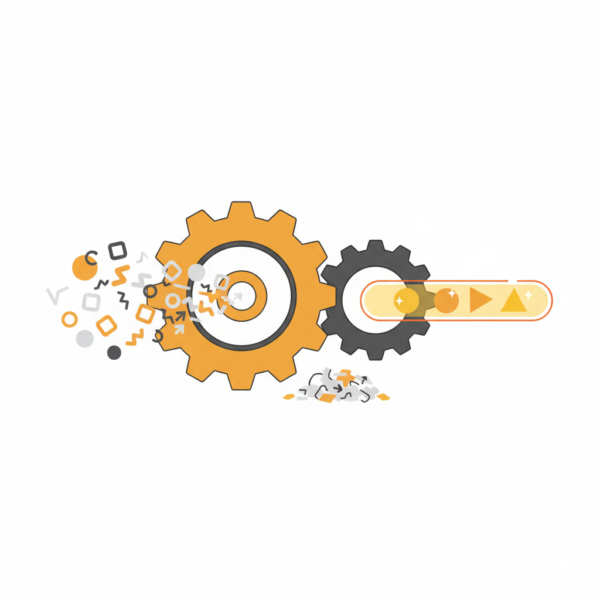
Why does validation make co-creation strategic rather than cosmetic? Executives want co-creation to surface opportunity, not opinion. Co-creation brings customers, frontline staff, and partners into the design of services to accelerate relevance and reduce waste. Validation converts raw input into evidence by separating signal from noise and by quantifying reliability. The discipline matters because human…

Beta Program Management Kit

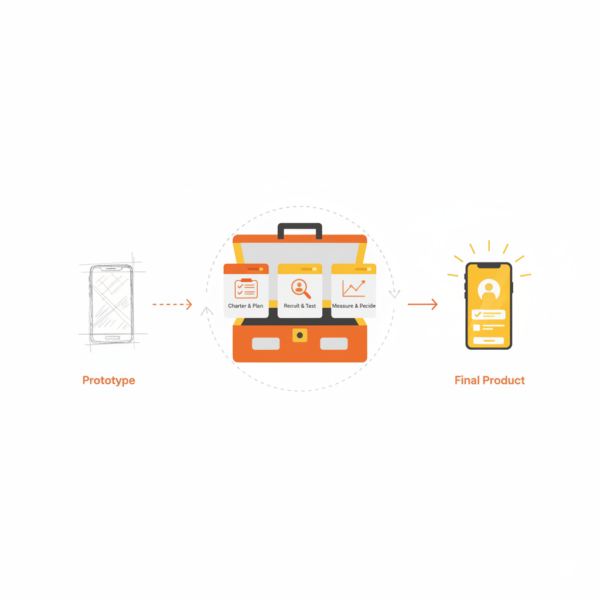
Why does every transformation need a disciplined beta? Leaders ship change, not slides. A disciplined beta program turns strategy into learning and risk into signal. A beta program is a structured market trial that recruits real users, exposes them to a near-final product or service, and captures evidence to decide whether to scale, pivot, or…

Prototype-to-Pilot Handoff Checklist

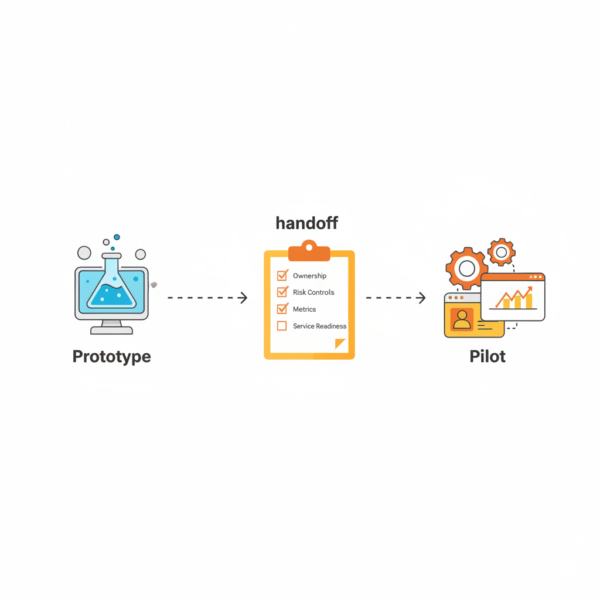
Why do prototypes stall when they meet real operations? Executives approve bold proofs of concept, yet too many stall when they enter pilots that must run in the real world. Leaders risk sunk cost, damaged credibility, and confused teams when the handoff from prototype to pilot lacks clear ownership, risk controls, and measurable outcomes. Independent…

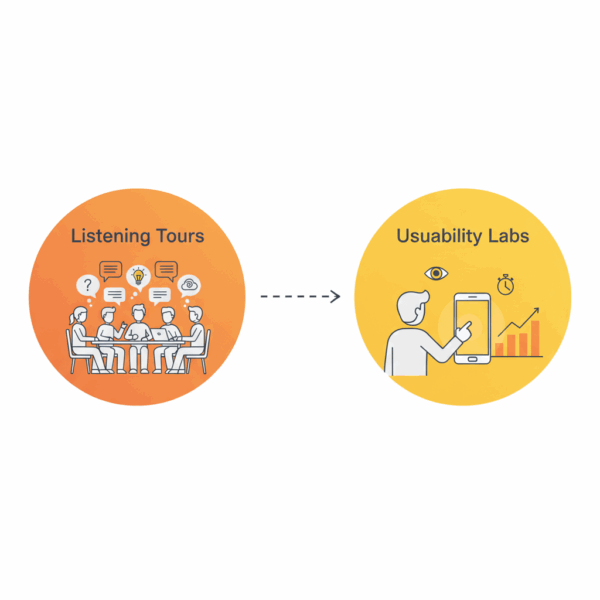
Listening Tours vs Usability Labs

Why do leaders confuse listening tours with usability labs? Executives chase insight but often mix up two very different instruments. A listening tour gathers narrative intelligence from stakeholders across the organisation to surface themes about culture, priorities, and operational friction. A usability lab examines how real users complete defined tasks with a product or service…