


















Defining the Role of a Service Designer in 2026

In 2026, a service designer owns the end-to-end customer and employee service experience across channels, policy, process, data, and technology. They turn user evidence into service blueprints, prioritised change backlogs, and measurable outcomes. The role now includes AI-enabled service pathways, stronger privacy and accessibility duties, and tighter operational governance to reduce cost-to-serve while improving customer…

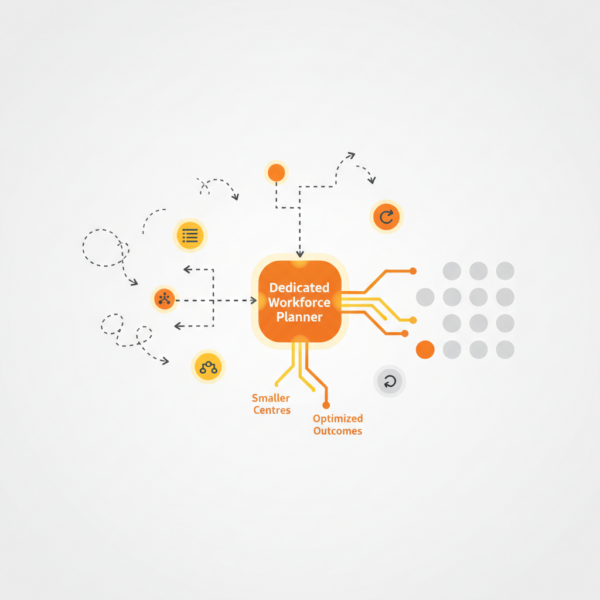
The Elastic Workforce: Scaling Contact Centre Operations for Seasonal Peaks

Seasonal peaks expose a simple gap: demand changes faster than hiring. An elastic workforce model closes that gap by blending core teams with pre-qualified contractors and governed outsourcing. Done well, it protects service levels, quality, and compliance while reducing burnout and attrition. The key is disciplined forecasting, rapid onboarding, tight knowledge support, and clear measurement…

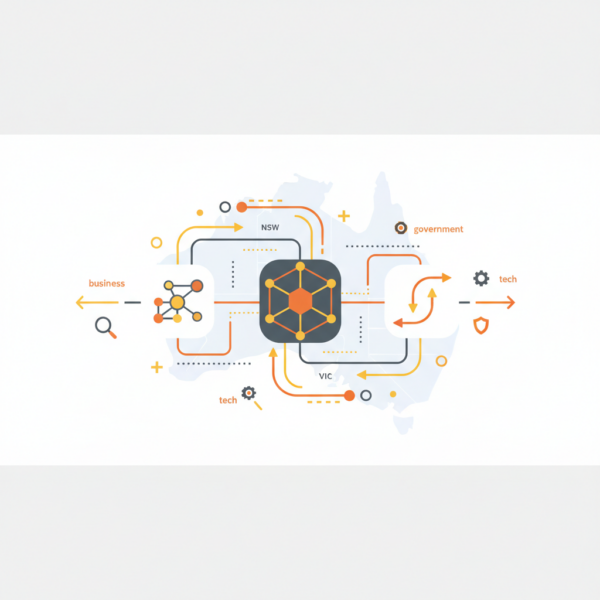
Navigating Government Procurement for Digital Contractors (NSW/VIC)

Government procurement for digital contractors in NSW and Victoria is built around mandated schemes, panels, and registers that reduce risk for agencies and speed up sourcing. Contractors win more work when they align capability statements to scheme categories, meet probity and security expectations, and respond quickly to RFQs with clear pricing, deliverables, and governance. The…

Interim CX Leadership: Bridging the Gap During Executive Transition

Interim CX leadership protects customer outcomes when a CX executive role is vacant or changing. It creates operational continuity, keeps customer signals flowing, and prevents stalled decisions across contact centres, digital, and frontline teams. Done well, an interim CXO sets short-cycle priorities, improves governance, and hands over a verified roadmap so the incoming leader can…

Deploying Agile “Swat Teams” for Rapid CX Transformation

Agile CX swat teams are small, time-boxed agile delivery teams that remove CX bottlenecks quickly while transferring capability into the business. When designed well, they combine cross-functional CX teams, lightweight governance, and measurable outcomes to deliver improvements in weeks, not quarters, without creating long-term dependency on contractors. What are agile CX swat teams? Agile CX…

The Talent Gap: Why Finding Genesys Cloud Engineers is Getting Harde

Genesys Cloud engineering talent is tightening in Australia because cloud contact centre programs now demand rare combinations of platform expertise, security, integration, and operational change control. Attrition remains high in contact centres, while digital skills demand outpaces supply. Leaders can respond by defining role outcomes, using a blended contractor model, reducing platform dependency through standard…

Staff Augmentation vs. Managed Services: Choosing the Right Model for CX Project

Staff augmentation and managed services solve different CX delivery problems. Staff augmentation adds capability into your operating model, but you retain delivery accountability. Managed services outsource defined outcomes under governance, SLAs, and controls. The right choice depends on whether your constraint is skills and capacity, or repeatable outcomes and risk reduction, especially under Australian contracting,…

Knowledge Quest vs. SharePoint: Why You Need a Specialised KM Tool

A specialised knowledge management tool is built to keep frontline knowledge accurate, findable, and measurable under operational pressure. SharePoint is a strong general platform for collaboration and document storage, but it usually needs heavy configuration to meet contact centre KM needs. If knowledge quality, agent speed, and self-service accuracy drive cost and CX, a purpose-built…

Accelerating Agent Proficiency: How Knowledge Quests Speeds Up Onboarding

New agents become proficient faster when onboarding shifts from “content completion” to verified competence. Knowledge Quests use bite-sized tasks, retrieval practice, and spaced reinforcement to validate real job performance, not attendance. For contact centres facing high attrition and long ramp times, this approach improves consistency, reduces rework, and stabilises customer experience outcomes by making knowledge…

Powering Self-Service with Curated Knowledge: The “Single Source of Truth”

Powering self-service depends on one controllable factor: trusted knowledge. A curated “single source of truth” aligns policies, product rules, and service steps into one governed knowledge layer used by customers, agents, bots, and digital journeys. When content is findable, current, and consistent, self-service becomes accurate, deflection rises, and contact centres reduce rework without sacrificing compliance…