


























Implementing data retention and access controls step by step.

Why do CX teams need disciplined retention and access controls? Customer leaders manage high-value data that fuels service design, journey orchestration, and personalisation. Poor retention and weak access controls create legal exposure, inflate costs, and erode customer trust. Australian Privacy Principles require reasonable steps to protect personal information and to destroy or de-identify it when…

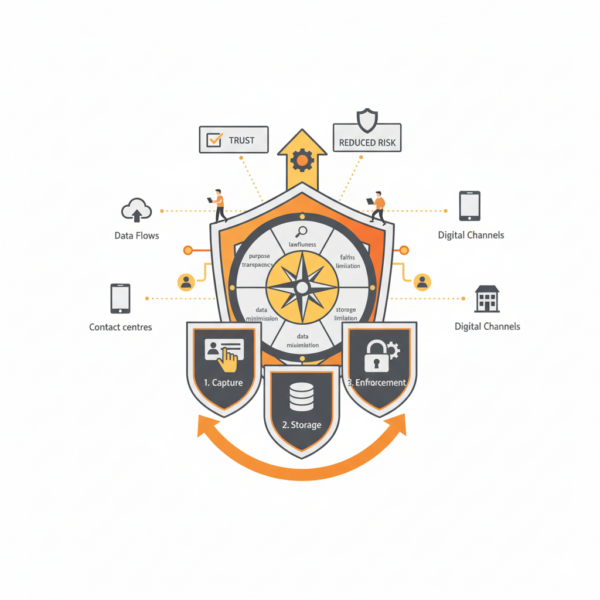
How consent management works: capture, storage, and enforcement?

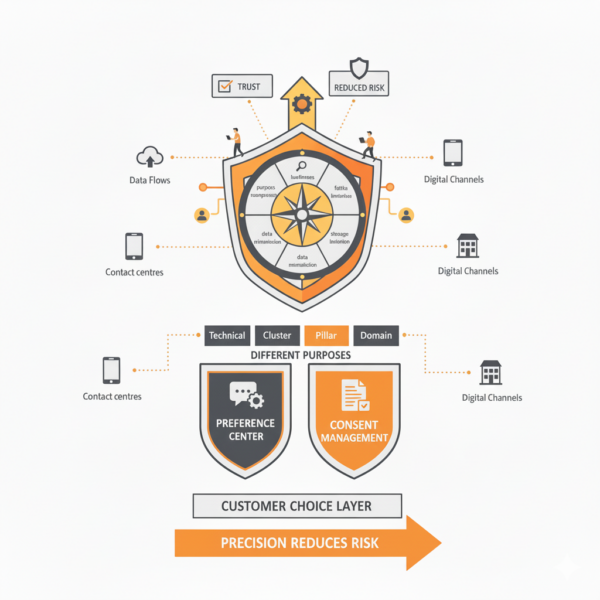
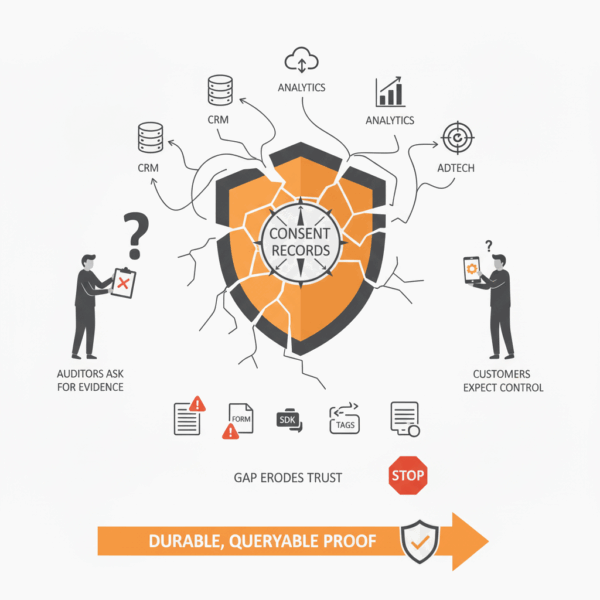
Why consent management belongs at the core of customer experience Consent management protects trust and reduces regulatory risk. It defines how an enterprise captures a person’s choices, stores the evidence, and enforces those choices across data flows, channels, and vendors. Strong consent management improves conversion because people understand what they agree to. Weak consent management…

Case study: retailer improves personalization with identity foundations (2025)

Identity foundations transform retail personalisation when leaders measure what matters and fix the sources of identity fragmentation. Organisations unify consented identifiers, stabilise household keys, and govern profile attributes so every channel can recognise the same customer with the right level of confidence. Strong identity foundations reduce duplicate records, lift match precision, and create the preconditions…

How to Measure Identity Match Quality: Metrics and Methods

What is identity match quality and why does it matter? Identity match quality measures how accurately customer data from different systems can be connected to represent a single, consistent individual. High match quality enables accurate analytics, efficient personalisation, and trusted service experiences. Poor identity resolution, on the other hand, leads to fragmented insights, duplicated records,…

A practical playbook for first-party data capture

Why should leaders prioritise first-party data capture right now? Privacy shifts reduce the reliability of third-party identifiers. Chrome plans to phase out third-party cookies and move the market to Privacy Sandbox solutions in 2025, which makes passive tracking less effective and less consistent across channels.¹ Regulatory expectations continue to tighten. The General Data Protection Regulation…

How to roll out identity foundations in your org

Why do identity foundations matter to CX and service outcomes? Identity anchors every digital interaction. Strong identity foundations let customers authenticate quickly, employees work securely, and systems personalise without breaching trust. Identity reduces friction, cuts fraud, and accelerates service speed. Leaders use identity to connect profiles, preferences, and consent to measurable outcomes. Identity becomes the…