



























Culture by Design: Embedding Customer Centricity in Your DNA

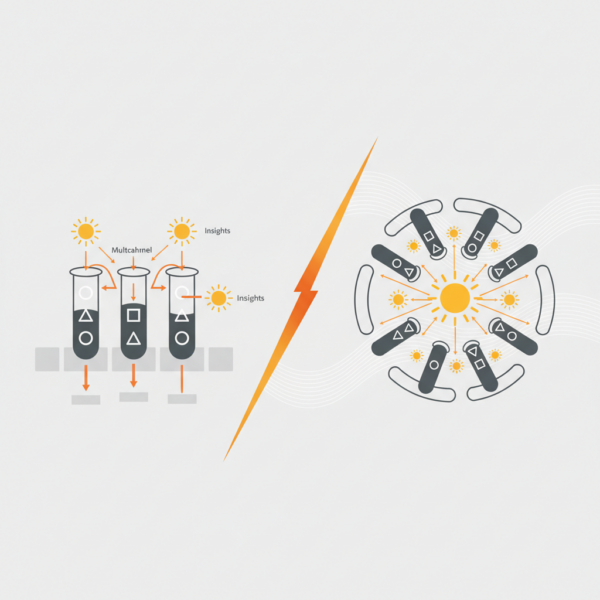
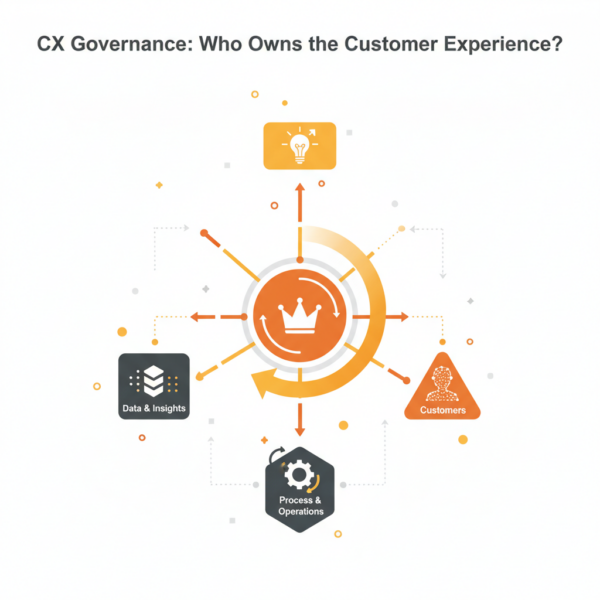
A customer-centric culture is not a values poster. It is a governance system that makes customer outcomes the default in decisions, funding, risk controls, and daily behaviours. Leaders embed it by aligning strategy, measures, incentives, and operating rhythms to customer needs, then proving progress through consistent evidence. This is CX change management with accountability, not…

The Metrics that Matter: Moving Beyond NPS to Value-Based Measurement

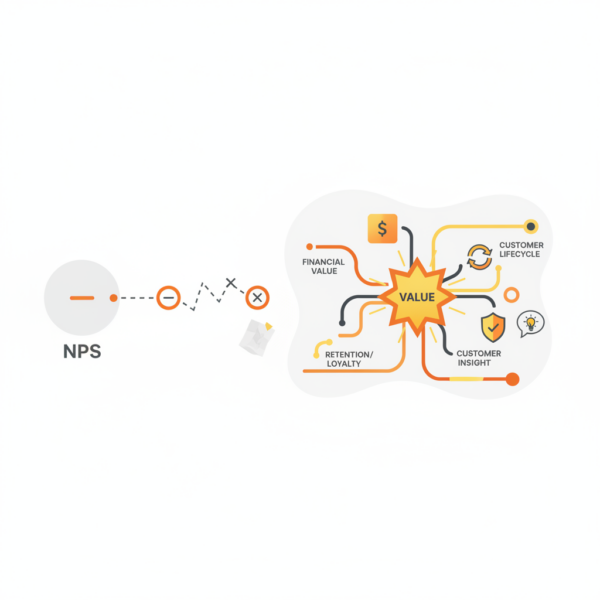
CX leaders should keep NPS as a signal, not the scorecard. A value-based framework links experience drivers to commercial outcomes such as retention, cost-to-serve, and risk. The result is a CX metrics dashboard that shows what changed, why it changed, and what it is worth, so governance decisions shift from reporting to investment management. What…

Designing a Customer-Centric Operating Model: Beyond the Organogram

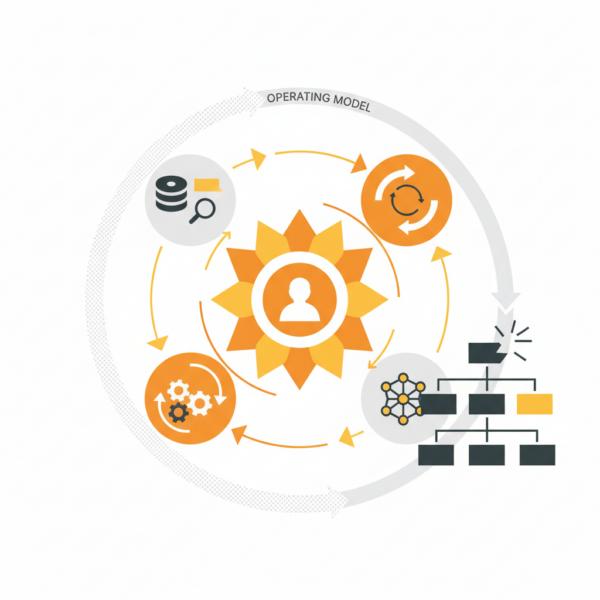
A customer-centric operating model turns CX intent into repeatable execution. It goes beyond the organogram by defining decision rights, governance, funding, metrics, and cross-functional ways of working. The goal is consistent customer outcomes across journeys, channels, and products, while staying compliant and efficient. Done well, it reduces friction, improves service reliability, and makes CX improvements…

Why CX Transformations Fail: 5 Common Pitfalls in Australian Enterprises

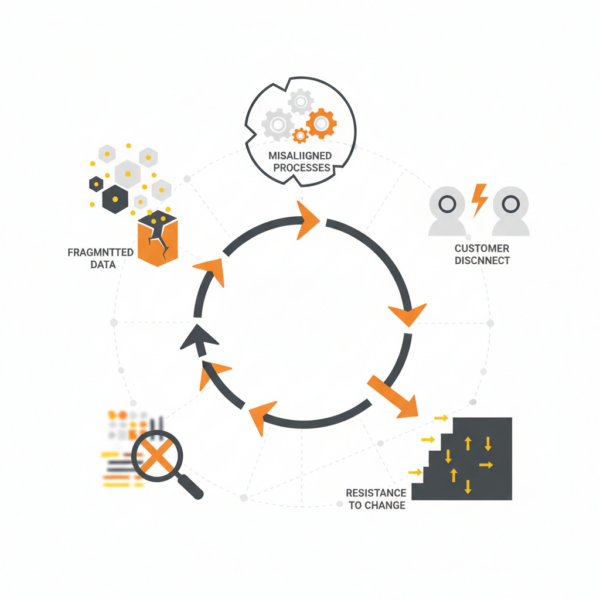
Australian enterprises often invest heavily in customer experience change, yet many programs stall or underdeliver because governance, measurement, and operating-model choices are treated as secondary to technology delivery. The five most common failure patterns are unclear customer value, weak accountability, fragmented data, under-managed change, and over-scoped roadmaps. Addressing these issues early improves delivery certainty, compliance,…

Building the Board-Level Business Case for Customer Experience Investment

CX investment becomes board-approvable when it is framed as value protection and value creation, with explicit governance and measurable outcomes. A robust business case links customer experience to revenue growth, cost-to-serve, operational risk, and regulatory obligations. It specifies decision rights, funding gates, and a measurement system that proves impact over time while reducing delivery risk.…

CX Maturity Model: Benchmarking Your Organisation Against Australian Standards

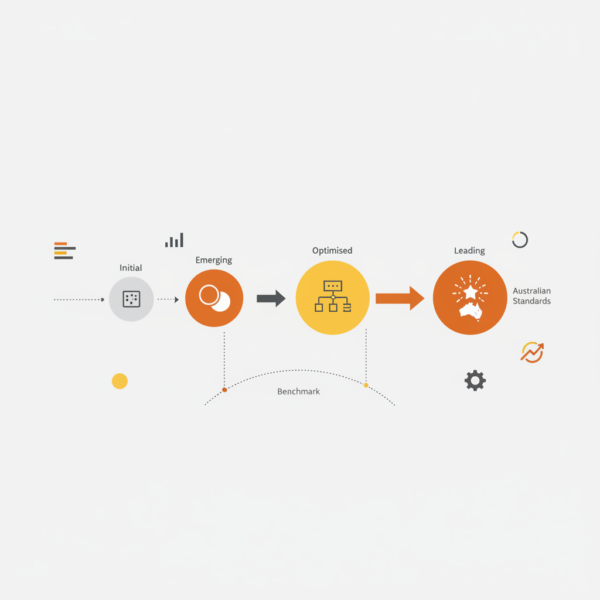
A CX maturity assessment in Australia benchmarks how well your organisation governs, designs, measures, and improves customer journeys against recognised Australian and international standards. It converts “we think we are customer led” into evidence-based maturity levels, clear gaps, and a funded roadmap. Done well, it reduces complaints and rework, strengthens compliance, and improves service performance…

The 2026 CX Strategy Framework: Aligning Customer Goals with Business Value

A 2026 CX strategy framework aligns customer goals with business value by translating what customers need into measurable outcomes, owned by clear decision rights and tracked through a disciplined operating cadence. It connects journey-level improvements to financial and risk metrics, so investment choices stay evidence-led. The result is faster prioritisation, lower cost-to-serve, higher retention, and…

Ethical User Research: Managing Consent and Privacy in 2026

Ethical user research in Australia in 2026 relies on evidence-based consent and privacy-by-design controls across recruitment, sessions, analysis, storage, and reuse. Organisations lower risk by minimising collection, separating identity from insight, securing tools and vendors, and proving compliance through measurable governance. This protects participants, reduces breach impact, and increases confidence in Customer Insight & Design…

The Feedback Loop: Integrating Research into Agile Delivery Teams

Agile delivery teams integrate research reliably when they run continuous discovery tracks alongside delivery, convert Voice of Customer signals into testable decisions, and close the loop with measurable outcomes. The practical shift is to replace episodic “big research” with small, frequent touchpoints, shared synthesis, and clear decision rules that protect speed while improving customer relevance.…

Service Blueprints: Mapping the Employee Experience Behind the Customer Journey

A service blueprint connects the customer journey to the employee and operational work that makes it happen. It exposes hidden handoffs, failure points, and policy constraints that customer journey maps often miss. For contact centres and service teams, blueprinting enables EX and CX alignment by linking frontline behaviours, backstage processes, and supporting systems to customer…