Resilience in CX: Maintaining Service Levels During Disruption

Resilience in CX means sustaining safe, consistent service levels and clear communications when systems, suppliers, or demand patterns fail. It combines CX business continuity planning, crisis communication customer service, and operational governance so customers can still complete critical tasks. The outcome is lower churn risk, fewer high-cost escalations, and faster recovery of experience and brand…

Omnichannel vs. Multichannel: Defining the Right Channel Mix for 2026

Omnichannel is a governed system where channels share identity, context, and outcomes across a customer journey. Multichannel is a set of parallel pathways that can work well individually but often fragment history and policy. For 2026, the right channel mix is the smallest set of channels that covers priority journeys, meets Australian privacy and complaints…

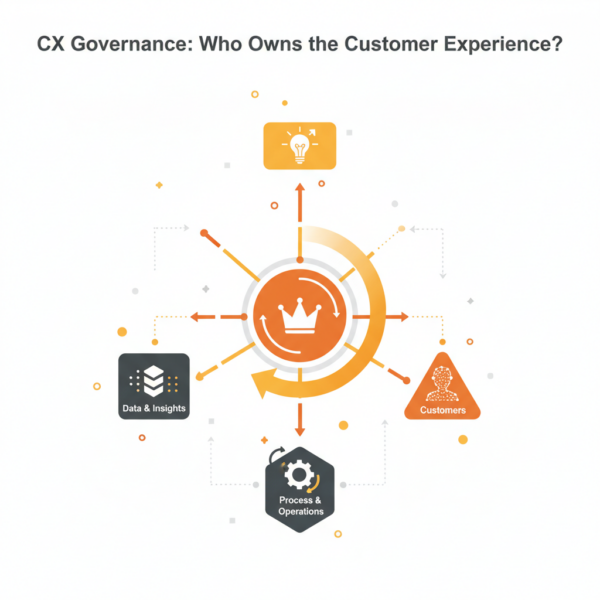
CX Governance: Who Owns the Customer Experience? | Strategy & Governance

Customer experience ownership becomes clear when governance defines decision rights, accountabilities, and measures across the end-to-end journey. Effective CX governance uses an executive sponsor, a customer experience steering committee, and a federated operating model that assigns owners for journeys, channels, and enabling capabilities. The result is faster prioritisation, consistent standards, controlled risk, and measurable improvements…

Culture by Design: Embedding Customer Centricity in Your DNA

A customer-centric culture is not a values poster. It is a governance system that makes customer outcomes the default in decisions, funding, risk controls, and daily behaviours. Leaders embed it by aligning strategy, measures, incentives, and operating rhythms to customer needs, then proving progress through consistent evidence. This is CX change management with accountability, not…

The Metrics that Matter: Moving Beyond NPS to Value-Based Measurement

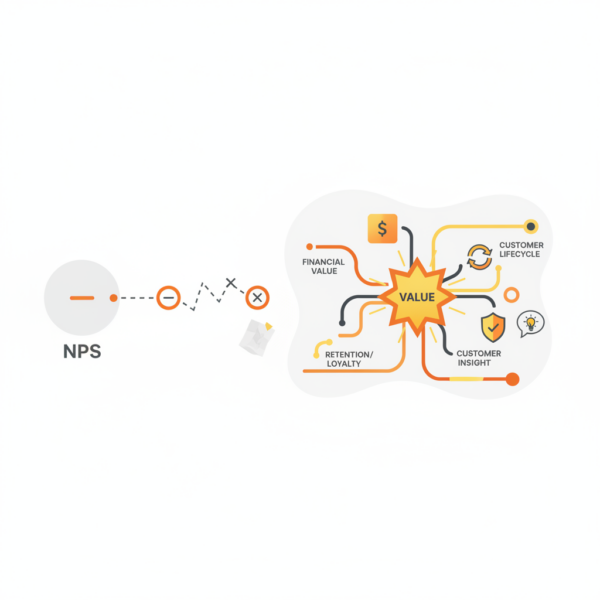
CX leaders should keep NPS as a signal, not the scorecard. A value-based framework links experience drivers to commercial outcomes such as retention, cost-to-serve, and risk. The result is a CX metrics dashboard that shows what changed, why it changed, and what it is worth, so governance decisions shift from reporting to investment management. What…

Designing a Customer-Centric Operating Model: Beyond the Organogram

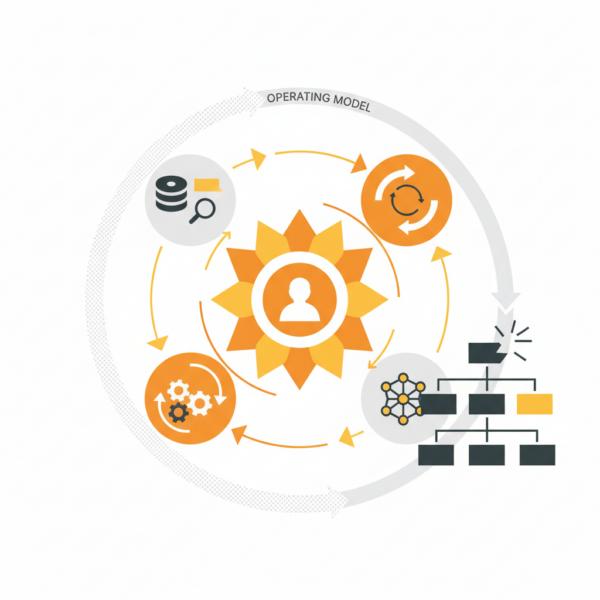
A customer-centric operating model turns CX intent into repeatable execution. It goes beyond the organogram by defining decision rights, governance, funding, metrics, and cross-functional ways of working. The goal is consistent customer outcomes across journeys, channels, and products, while staying compliant and efficient. Done well, it reduces friction, improves service reliability, and makes CX improvements…

Why CX Transformations Fail: 5 Common Pitfalls in Australian Enterprises

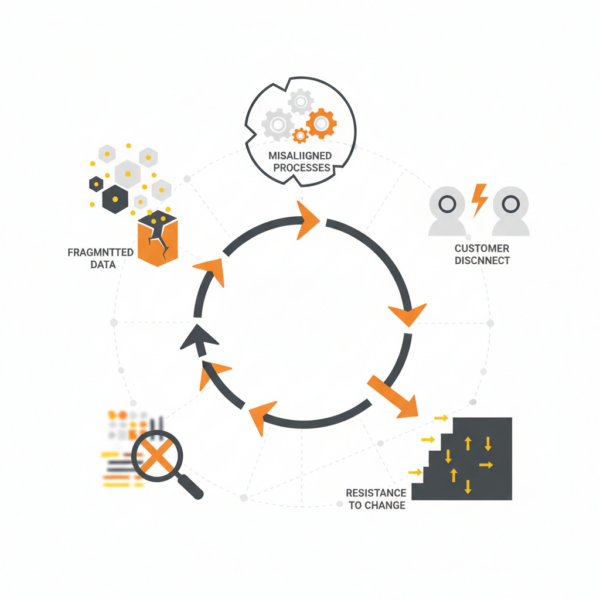
Australian enterprises often invest heavily in customer experience change, yet many programs stall or underdeliver because governance, measurement, and operating-model choices are treated as secondary to technology delivery. The five most common failure patterns are unclear customer value, weak accountability, fragmented data, under-managed change, and over-scoped roadmaps. Addressing these issues early improves delivery certainty, compliance,…

Building the Board-Level Business Case for Customer Experience Investment

CX investment becomes board-approvable when it is framed as value protection and value creation, with explicit governance and measurable outcomes. A robust business case links customer experience to revenue growth, cost-to-serve, operational risk, and regulatory obligations. It specifies decision rights, funding gates, and a measurement system that proves impact over time while reducing delivery risk.…

CX Maturity Model: Benchmarking Your Organisation Against Australian Standards

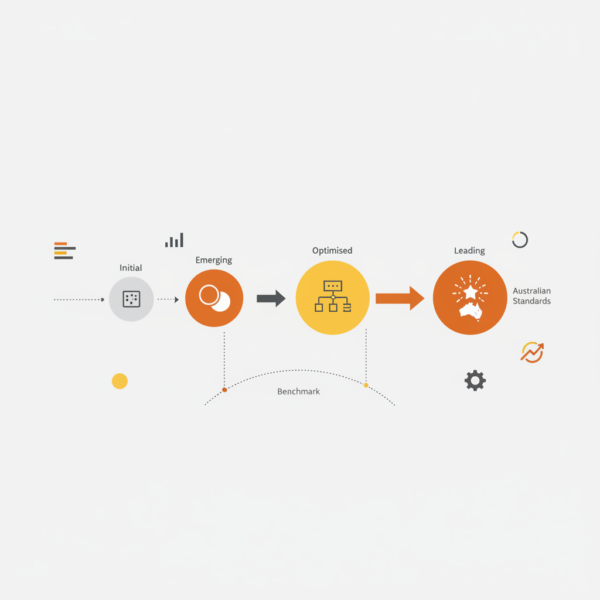
A CX maturity assessment in Australia benchmarks how well your organisation governs, designs, measures, and improves customer journeys against recognised Australian and international standards. It converts “we think we are customer led” into evidence-based maturity levels, clear gaps, and a funded roadmap. Done well, it reduces complaints and rework, strengthens compliance, and improves service performance…

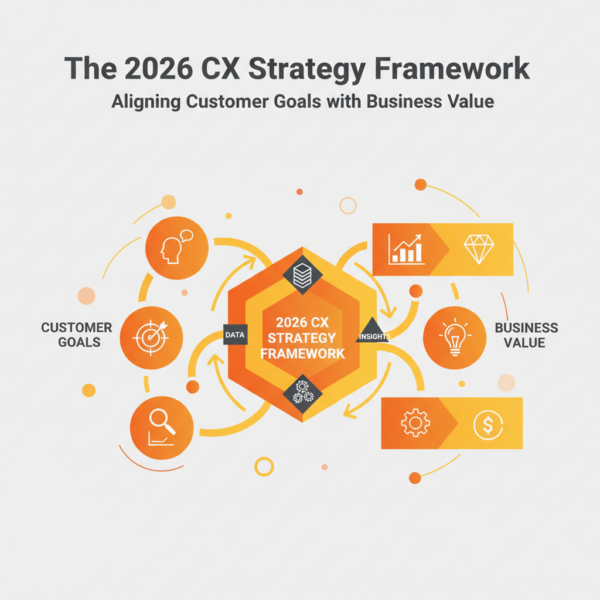
The 2026 CX Strategy Framework: Aligning Customer Goals with Business Value

A 2026 CX strategy framework aligns customer goals with business value by translating what customers need into measurable outcomes, owned by clear decision rights and tracked through a disciplined operating cadence. It connects journey-level improvements to financial and risk metrics, so investment choices stay evidence-led. The result is faster prioritisation, lower cost-to-serve, higher retention, and…