



















Enabling Hybrid Work: Technology Stacks for the Modern Office

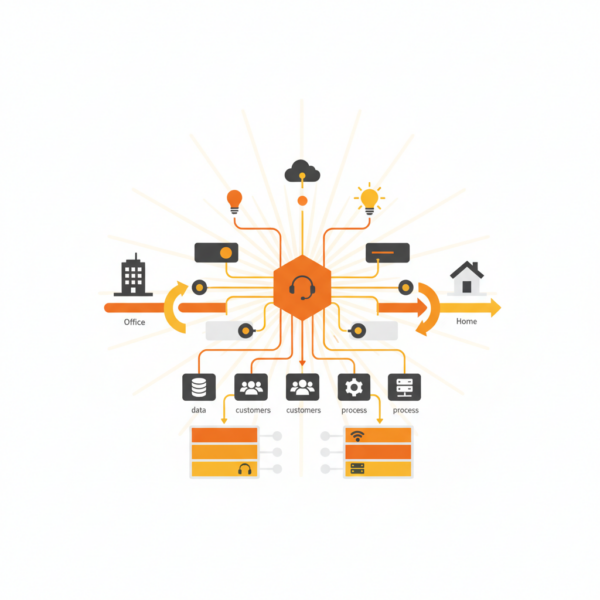
Hybrid work requires more than collaboration tools. It depends on a resilient technology stack that supports productivity, security, and performance across physical and remote environments. Organisations that align infrastructure, automation, and data insight achieve higher workforce engagement, lower operating risk, and measurable cost efficiency, while maintaining service quality at scale. Definition: What are hybrid work…

Cloud vs. On-Premise: Making the Right Infrastructure Decision in 2025

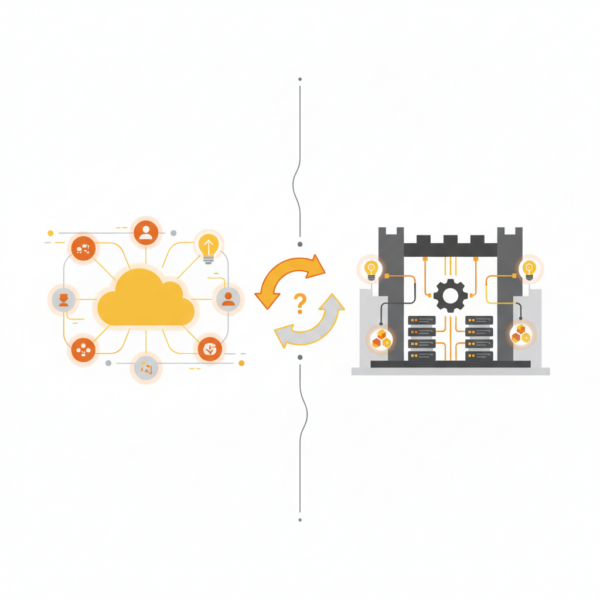
Modern infrastructure decisions in 2025 are no longer technical preferences. They are enterprise risk and value decisions. Cloud, on-premise, and hybrid models each solve different operational problems. The right choice depends on regulatory exposure, cost volatility, automation maturity, and growth ambition. Australian organisations that align infrastructure to business outcomes achieve higher resilience, faster innovation, and…

How to Managing IT Vendors: Moving from “Supplier” to “Partner”

Effective IT vendor management requires a shift from transactional supplier control to strategic partnership design. Organisations that achieve this alignment improve technology outcomes, reduce risk, and accelerate value creation. By combining governance, shared incentives, performance measurement, and trust-based collaboration, enterprises turn vendors into long-term partners that support automation, resilience, and sustained business growth. What does…

Cyber Security Basics for Business Leaders: Beyond the Firewall

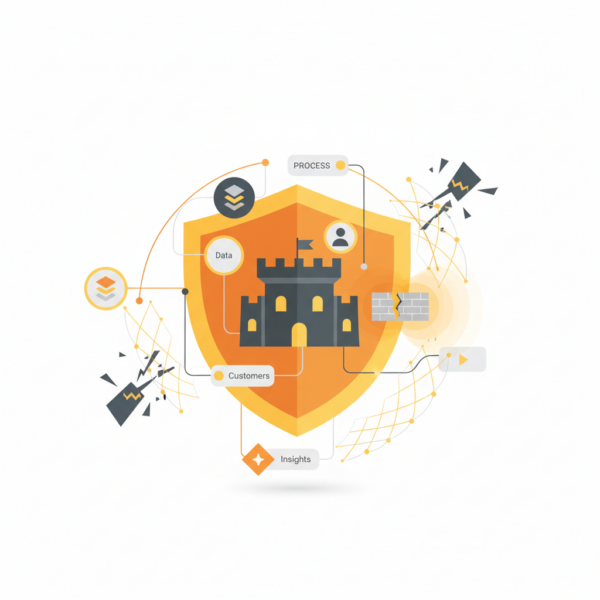
Cybersecurity is a strategic imperative for business leaders, extending beyond firewalls and antivirus solutions. Executives must implement comprehensive data protection strategies, ensure regulatory compliance, and cultivate a security-aware culture to mitigate operational, reputational, and financial risks. A structured cyber security checklist for executives provides actionable guidance for governance, risk management, and incident readiness. What is…

Creating a Technology Roadmap That Aligns with Business Growth

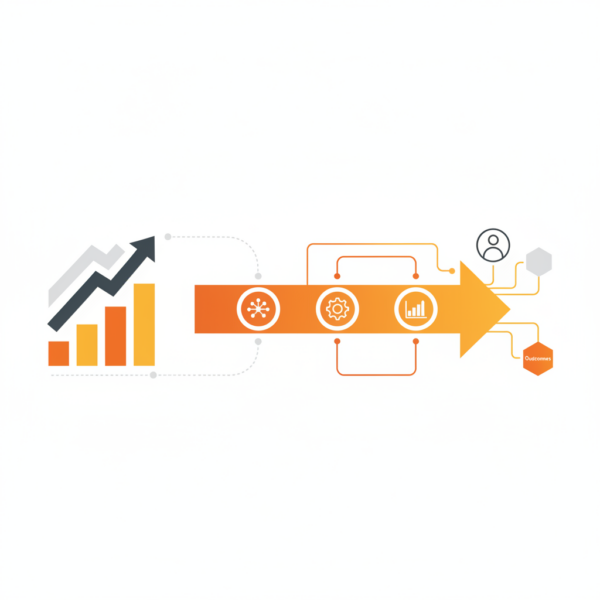
Summary A technology roadmap aligns digital investment with business growth by sequencing systems, automation, and data capabilities against clear commercial outcomes. For SMEs, effective technology roadmap planning translates strategy into execution, reduces waste, and ensures IT decisions scale with revenue, customers, and operational complexity over time. What is a technology roadmap in a business growth…

Why Mid-Sized Businesses Are Switching to Virtual CIOs (vCIO)

Mid-sized Australian businesses are adopting virtual CIO services to gain senior technology leadership without the cost and rigidity of a full-time executive. A vCIO aligns technology, automation, and cybersecurity with business outcomes, clarifies the difference between vCIO vs MSP models, and enables scalable decision-making that supports growth, resilience, and regulatory compliance. What is a Virtual…

CX Operating Model: Structure for Success

A CX operating model defines how an organisation designs, governs, and delivers customer experience across functions. It aligns strategy, structure, decision rights, and metrics to ensure experience intent becomes consistent execution. Enterprises that formalise a CX operating model reduce fragmentation, improve accountability, and scale customer-centric change with measurable commercial impact. What is a CX operating…

How to Roll Out a VoC Program in Your Organisation

How to Roll Out a VoC Program in Your Organisation A Voice of Customer (VoC) program captures, analyses, and acts on customer feedback systematically¹. Organisations deploy VoC initiatives to gain insight into customer preferences, pain points, and unmet needs. The structure typically combines surveys, digital feedback channels, social listening, and transactional data streams. VoC programs…