


















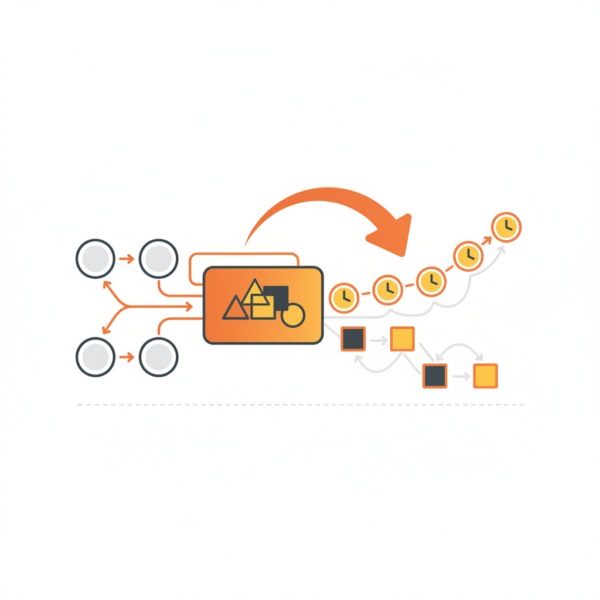
How to Measure Touchpoint Performance: Lagging and Leading Indicators

What do “lagging” and “leading” actually mean in touchpoint measurement? Leaders need two kinds of proof. Lagging indicators confirm outcomes after the fact. Leading indicators predict those outcomes early enough to steer. In touchpoint orchestration, lagging indicators include conversion, activation, retention, NPS, and revenue lift. Leading indicators include time-in-state, progression rate, event latency, duplicate-prevention saves,…

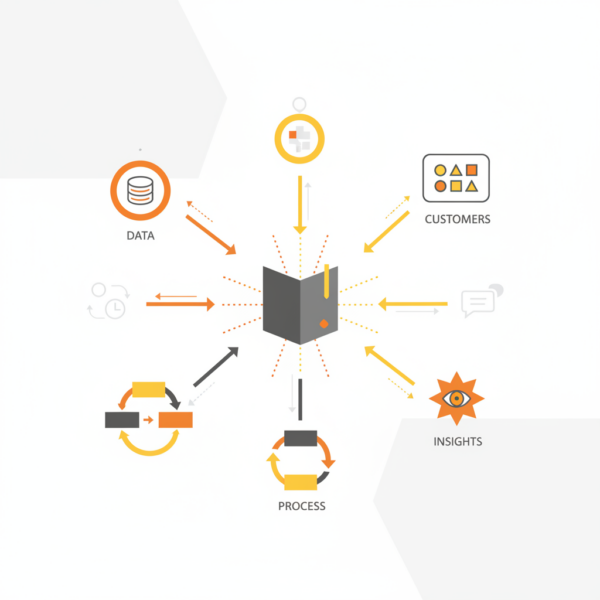
A Practical Playbook for Real-Time Interaction Management

What is real-time interaction management and why does it matter now? Executives pursue growth, efficiency, and trust. Customers judge progress in moments that feel personal, timely, and helpful. Real-time interaction management, or RTIM, coordinates those moments by sensing signals, deciding the next best action, and activating it across channels within seconds. Forrester defines RTIM as…

How to Roll out Touchpoint Orchestration in Your Org

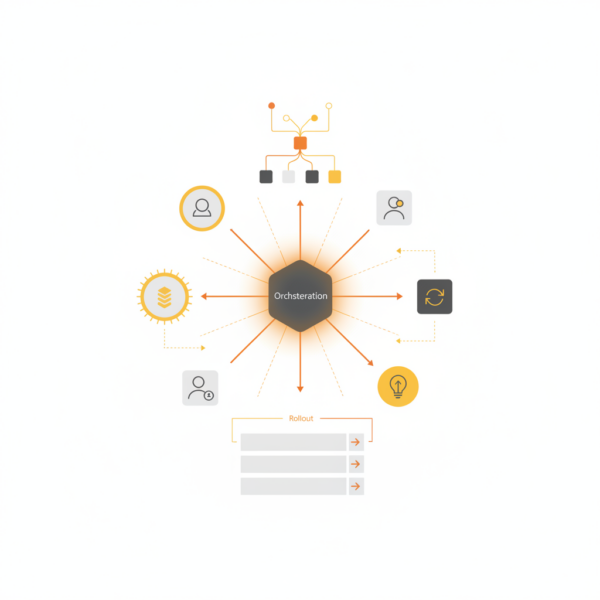
Why orchestration rollouts succeed or stall Leaders want personalization to lift revenue and reduce effort. Customers want timely help that respects context and consent. Orchestration aligns both by listening for events, evaluating rules, updating states, and triggering the next best action across channels. Adobe, Salesforce, and Twilio document event-driven journeys that operate in real time…

Touchpoint Orchestration vs Campaign Management: When to Use Each

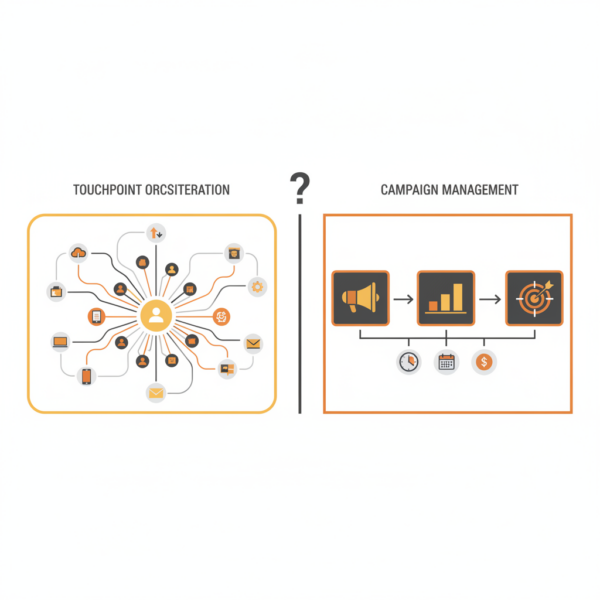
Why leaders must decide between orchestration and campaigns Executives chase revenue lift, cost control, and trust. Teams often reach for the tool they know, typically campaign management, even when the problem calls for responsive, stateful coordination. The wrong choice creates noise, duplicate contacts, and missed moments. The right choice aligns timing, consent, and content to…

Touchpoint Governance Checklist and RACI Templates

Governance is the missing engine behind orchestration at scale Executives expect orchestration to raise revenue, lower cost, and protect trust. Customers feel that intent at each touchpoint, where timing, consent, and content must align. Governance provides the operating system that keeps journeys reliable as teams, channels, and rules expand. Strong governance defines events and schemas,…

How to Roll Out a VoC Program in Your Organisation

How to Roll Out a VoC Program in Your Organisation A Voice of Customer (VoC) program captures, analyses, and acts on customer feedback systematically¹. Organisations deploy VoC initiatives to gain insight into customer preferences, pain points, and unmet needs. The structure typically combines surveys, digital feedback channels, social listening, and transactional data streams. VoC programs…

Implementing Cross-Channel Orchestration Step by Step

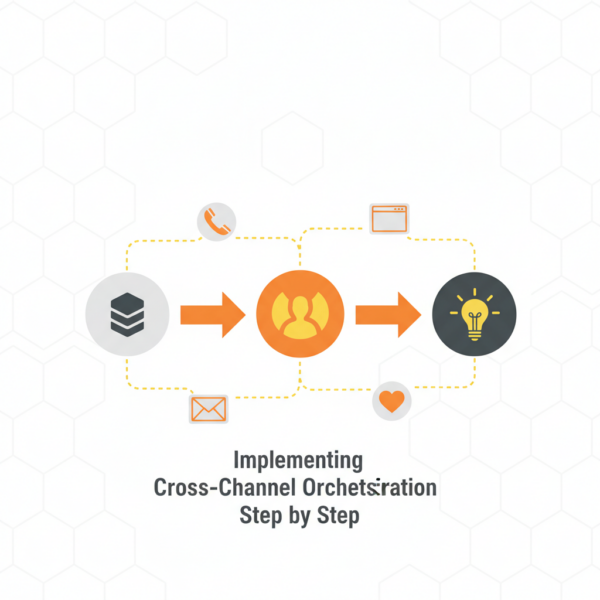
Cross-channel orchestration deserves a deliberate build Leaders set growth, cost, and experience goals. Customers experience those goals through touchpoints. Cross-channel orchestration coordinates these touchpoints in real time so actions reflect context and consent. Orchestration platforms listen for events, evaluate rules, update states, and execute the next best action across channels like email, SMS, push, web,…

How Touchpoint Orchestration Works: Triggers, Rules, and States

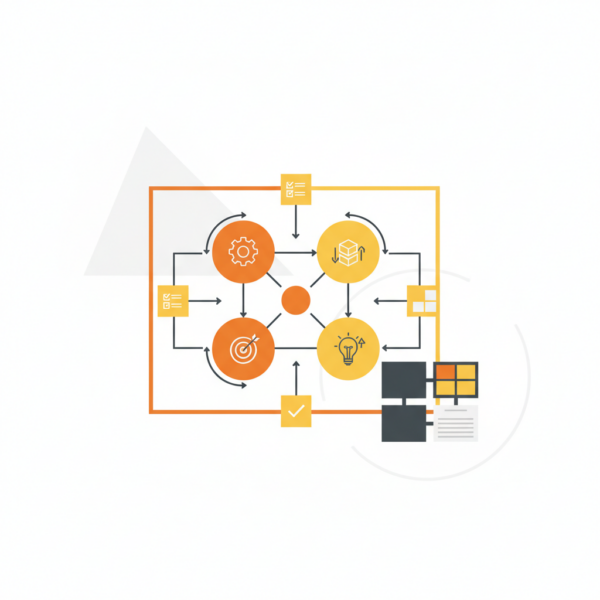
Why touchpoint orchestration matters to growth-minded leaders Executives set growth targets, yet customers feel the real moments that drive or derail those targets at touchpoints. Touchpoint orchestration coordinates those moments in real time so each interaction lands with context, consistency, and care. Practitioners describe journey orchestration as the continuous coordination of interactions across channels, driven…

Myths and Facts About Unsolicited Feedback Analytics

  What is unsolicited feedback analytics, really? Unsolicited feedback analytics converts customer comments that were not prompted by surveys into structured, decision-grade insight. This includes complaints, compliments, social posts, reviews, chat transcripts, call notes, and open text sent through digital channels. The defining feature is intent. The customer chose to speak. That choice signals emotional…