



























Service Design Thinking for Enterprise Innovation

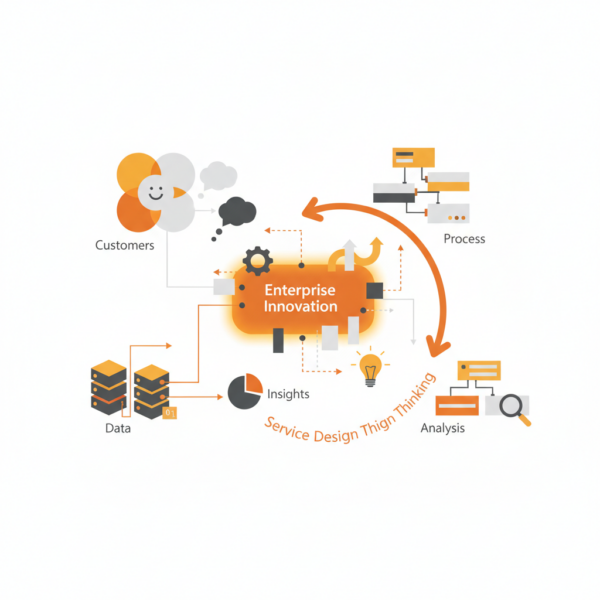
Summary Service design thinking is a structured innovation method that combines customer insight, collaborative design workshops, and rapid prototyping to improve services across complex organisations. Enterprises use it to redesign customer journeys, reduce operational friction, and create measurable improvements in customer experience, employee workflow, and business performance. Definition: What Is Service Design Thinking? Service design…
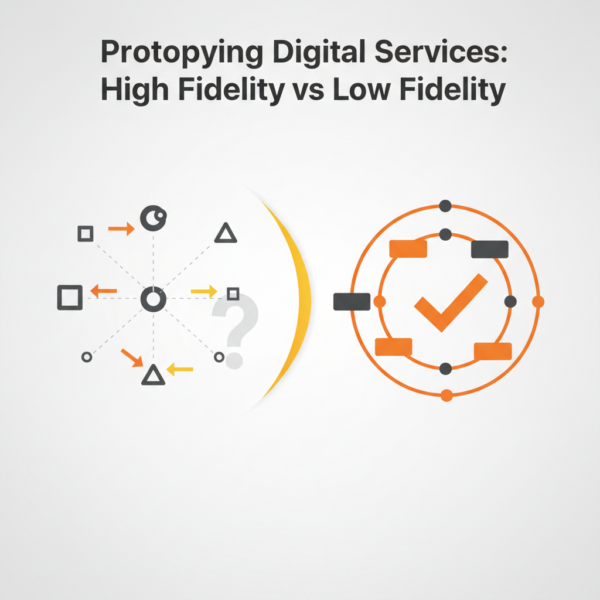
Prototyping Digital Services: High Fidelity Vs Low Fidelity

Summary Prototyping digital services allows organisations to test service concepts, interfaces, and workflows before development begins. Low fidelity prototypes explore ideas quickly and cheaply, while high fidelity prototypes simulate near-real experiences for usability testing. Used together within CX research and design, prototyping reduces delivery risk, improves usability outcomes, and increases the likelihood that digital services…

Continuous Discovery Habits for Product Teams

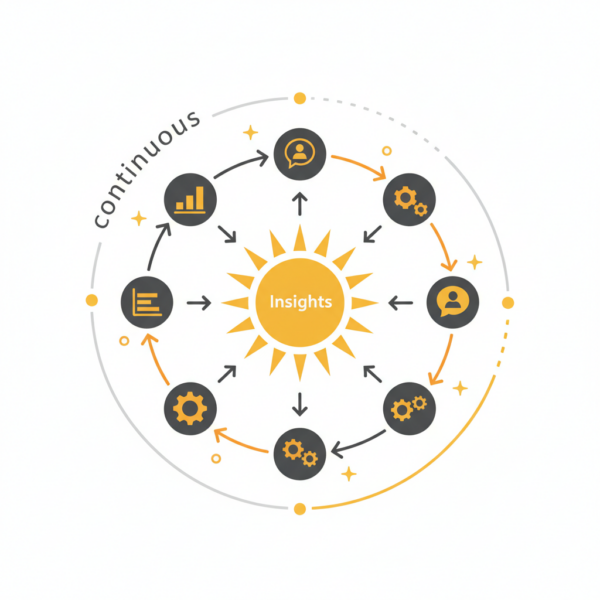
Summary Continuous discovery habits help product teams make better decisions by collecting customer insight every week, not once per project. Regular interviews, behavioural data, and rapid testing create agile user feedback loops that reduce product risk, improve customer experience design, and raise the success rate of product releases. Definition: What Are Continuous Discovery Habits? Continuous…

Taking the CX Research Maturity Assessment

Summary A CX research maturity assessment evaluates how effectively an organisation collects, interprets, and acts on customer insight. It reveals gaps in research governance, tooling, and operational practice. For enterprise teams, the assessment creates a structured path to scale UX research, embed insight into decision making, and increase the return on customer experience investments. Definition:…

Usability Testing for Seniors: Designing for the Ageing Population

Aging populations interact with digital services differently from younger users. Usability testing for seniors identifies barriers in navigation, readability, and cognitive load that standard UX testing often misses. When organisations design with older adults in mind, digital services become clearer, more inclusive, and easier for everyone to use. Definition: What Is Usability Testing for Seniors?…

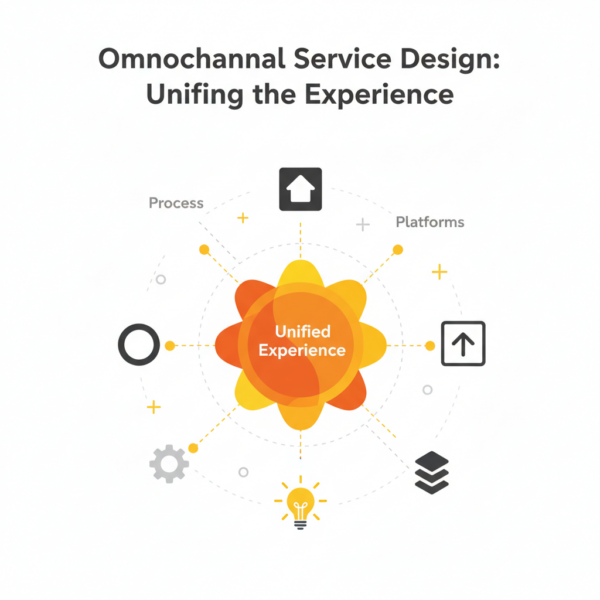
Omnichannel Service Design: Unifying the Experience

Summary Omnichannel service design creates a consistent customer experience across digital, physical, and assisted channels. It connects customer data, service processes, and interaction design so people can move between channels without repeating effort. When implemented well, organisations see lower service costs, higher customer satisfaction, and improved first-contact resolution. Definition Omnichannel service design is the structured…

Identifying Customer Pain Points Before They Churn

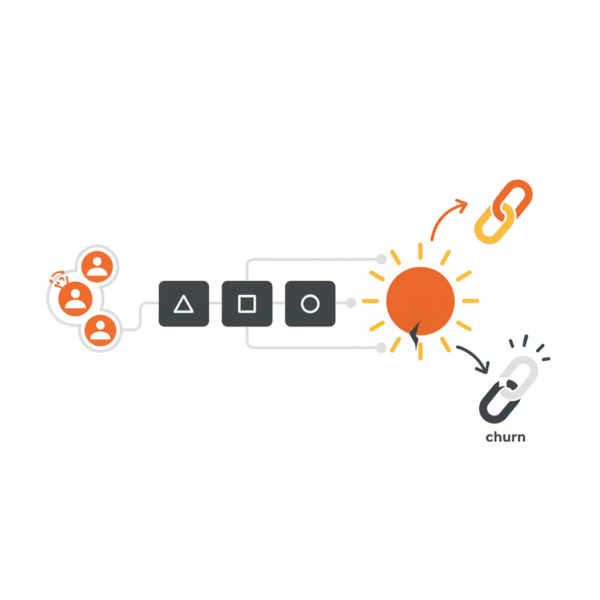
Summary Identifying customer pain points before customers leave requires structured insight into behaviour, friction points, and unmet expectations across the customer journey. Organisations that detect journey bottlenecks early can reduce churn, increase satisfaction, and improve revenue retention. Research shows that resolving customer friction quickly can increase retention rates by up to 15 percent and reduce…

Passing the Digital Service Standard Assessment

Summary Digital Service Standard compliance requires government teams to prove that services are designed with evidence, user research, and measurable outcomes. Passing a DTA assessment depends on structured customer insight, iterative testing, and documented CX research practices that demonstrate real user needs. Organisations that embed research-led design, communication testing, and service analytics significantly increase their…

Customer Empathy Mapping: A Facilitator’s Guide

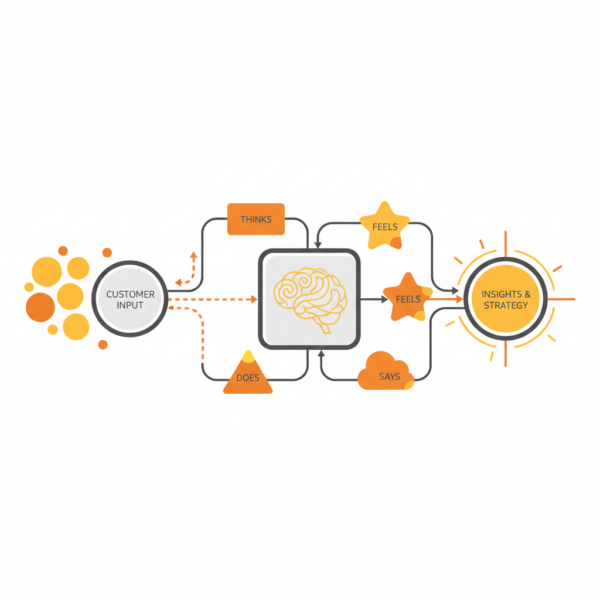
Summary Customer empathy mapping is a structured workshop method that helps organisations visualise what customers think, feel, say, and do during an experience. It translates research into shared understanding across teams. When run well, empathy mapping improves CX design decisions, aligns stakeholders, and exposes unmet needs that traditional metrics often miss. Definition: What Is Customer…

Quantitative CX Analytics: Marrying Big Data with UX

Summary Quantitative CX analytics combines large-scale behavioural data with user experience research to measure how customers interact with products, services, and contact channels. Organisations use statistical models, journey analytics, and behavioural UX metrics to detect friction, predict churn, and guide service design. When implemented correctly, this approach links operational data to customer perception, producing measurable…