


























Navigating the NSW Benefits Realisation Framework 2025

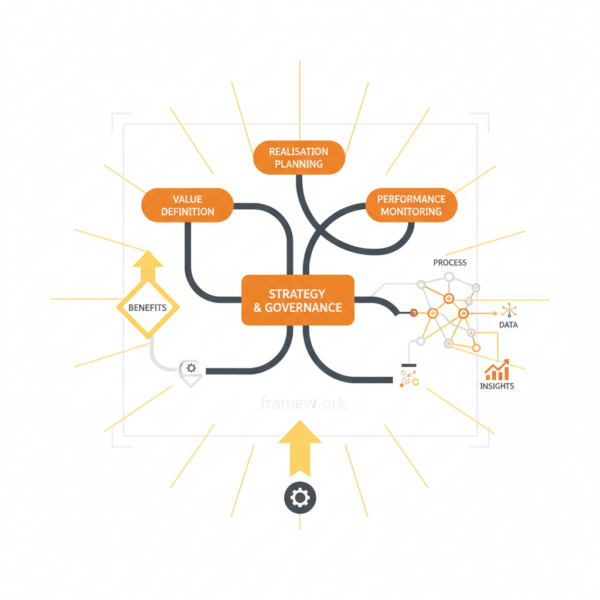
The NSW benefits realisation framework provides a structured approach for government agencies to identify, measure, govern, and report the value generated from investments, programs, policy initiatives, and service improvements. The release of NSW Treasury’s 2025 Benefits Management Guide represents a significant shift towards evidence-based investment decision making, placing measurable outcomes at the centre of strategy,…

Managing Complex Public Sector Projects Safely

Complex public sector projects fail less often when governance, accountability, and risk controls are embedded from the start. Effective government project delivery depends on structured decision-making, independent assurance, stakeholder alignment, benefits realisation, and disciplined oversight. Organisations that build these foundations early are better positioned to deliver services, infrastructure, technology, and policy outcomes safely while protecting…

Employee Experience Mapping to Improve Retention

Employee experience mapping helps organisations understand how employees interact with systems, managers, policies, and workplace culture across the entire employment lifecycle. When done well, it exposes hidden friction, reduces avoidable turnover, and gives leaders a structured way to improve retention, engagement, and performance. It turns assumptions into evidence and provides a governance framework for workforce…

Digital Transformation Change Strategy

A digital transformation change strategy provides the structure, governance, communication, and leadership needed to turn technology investments into business outcomes. Organisations that pair digital programs with formal change management practices achieve higher adoption rates, faster value realisation, and lower project risk. Success depends on leadership alignment, workforce readiness, measurable objectives, and continuous feedback. What Is…

Workforce Planning 2025: Dealing with the Skills Gap

Workforce capability has become a board-level issue. Labour shortages, rapid technology adoption, demographic change, and evolving customer expectations are forcing organisations to rethink how they identify, develop, and deploy talent. Workforce planning in 2025 is no longer a headcount exercise. It is a strategic capability discipline that connects business objectives, workforce readiness, and long-term organisational…

Change Management Metrics: Proving the Value of OCM

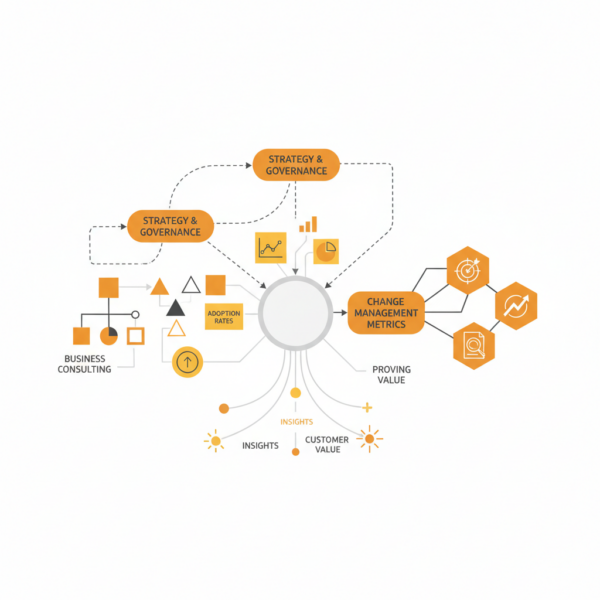
Change initiatives often fail because organisations cannot demonstrate whether new behaviours have been adopted or whether business outcomes have improved. Effective change management metrics create a measurable link between employee adoption, operational performance, and strategic goals. By tracking adoption rates, behavioural shifts, productivity indicators, and business outcomes, leaders can quantify the value of organisational change…

Business Process Reengineering vs Continuous Improvement

Executive Summary Business process reengineering (BPR) and continuous improvement both aim to improve organisational performance, but they address different challenges. Business process reengineering focuses on radical process redesign when existing operating models cannot meet customer, operational, financial, or regulatory requirements. Continuous improvement focuses on incremental enhancements to processes that are fundamentally sound but require ongoing…

Designing Cross Functional Teams for Value Delivery

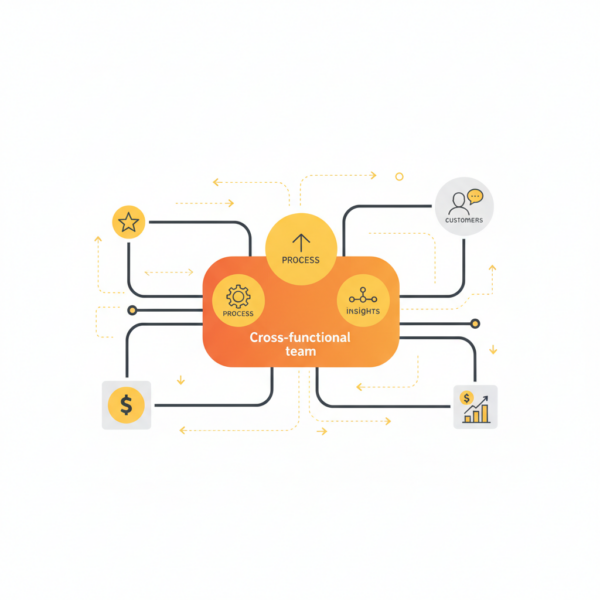
Cross functional teams improve value delivery by bringing together people with the skills, authority, and accountability needed to solve customer and business problems end-to-end. When supported by clear governance, outcome-based measures, and strong leadership, structures such as squads and tribes can reduce handoffs, improve customer experience, and accelerate strategic execution. What Is Designing Cross Functional…

Strategic Planning Facilitation: Getting Actionable Results

Strategic planning facilitation helps executive teams turn discussion into decisions, decisions into accountable work, and accountable work into measurable results. Strong facilitation gives leaders a shared view of choices, trade-offs, risks, resources, and execution measures before commitments are made. Definition What is strategic planning facilitation? Strategic planning facilitation is a structured decision process for leadership…

Building Internal Capability During Vendor Exits

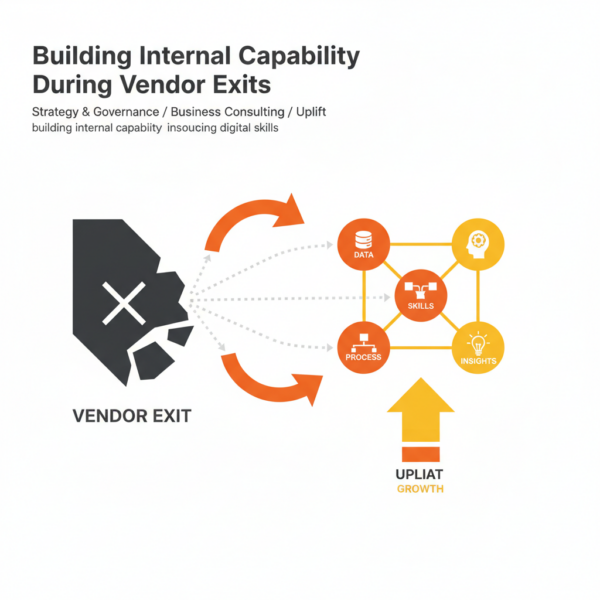
Internal capability becomes a strategic asset when organisations reduce reliance on external vendors. A structured transition approach protects operational continuity, preserves institutional knowledge, and develops long-term ownership of critical digital skills. Organisations that plan capability uplift before contract exits are more likely to achieve lower transition costs, stronger governance outcomes, and better control over future…