Enabling Hybrid Work: Technology Stacks for the Modern Office

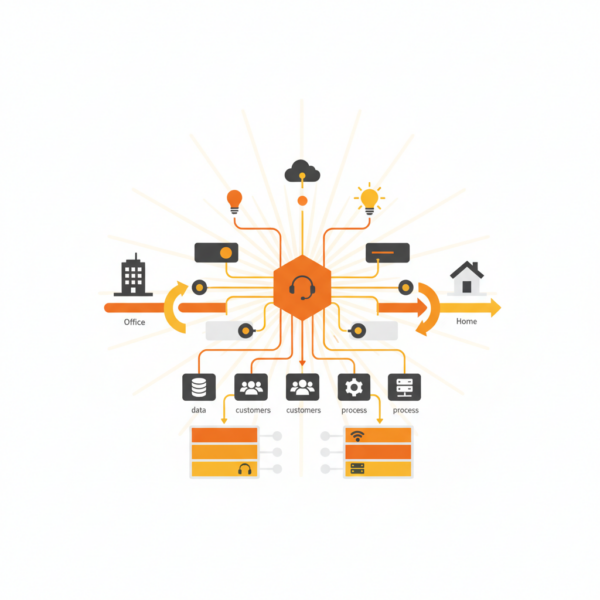
Hybrid work requires more than collaboration tools. It depends on a resilient technology stack that supports productivity, security, and performance across physical and remote environments. Organisations that align infrastructure, automation, and data insight achieve higher workforce engagement, lower operating risk, and measurable cost efficiency, while maintaining service quality at scale. Definition: What are hybrid work…

Cloud vs. On-Premise: Making the Right Infrastructure Decision in 2025

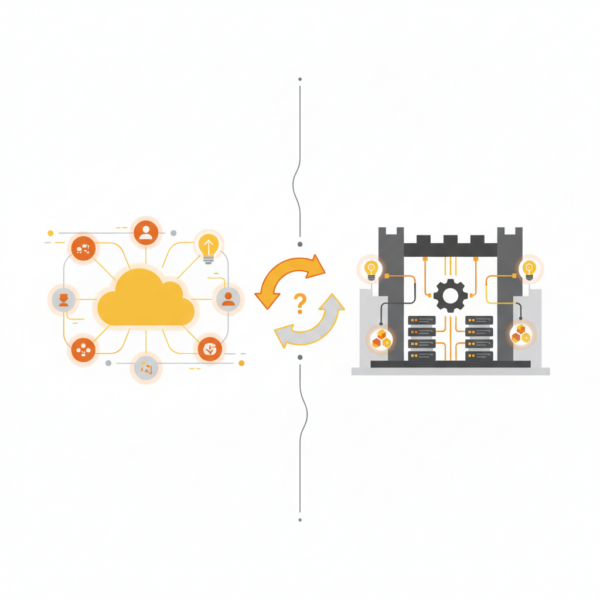
Modern infrastructure decisions in 2025 are no longer technical preferences. They are enterprise risk and value decisions. Cloud, on-premise, and hybrid models each solve different operational problems. The right choice depends on regulatory exposure, cost volatility, automation maturity, and growth ambition. Australian organisations that align infrastructure to business outcomes achieve higher resilience, faster innovation, and…

How to Managing IT Vendors: Moving from “Supplier” to “Partner”

Effective IT vendor management requires a shift from transactional supplier control to strategic partnership design. Organisations that achieve this alignment improve technology outcomes, reduce risk, and accelerate value creation. By combining governance, shared incentives, performance measurement, and trust-based collaboration, enterprises turn vendors into long-term partners that support automation, resilience, and sustained business growth. What does…

Data Ethics in Practice: Governance for Automated Decision Making

Automated decision making is rapidly reshaping how organisations deliver services and enforce policy. Without strong data ethics governance, automation scales risk, bias, and loss of trust. This article explains how data ethics works in practice, why governance is essential for automated decision making, and how organisations can operationalise ethical control without stalling innovation. What is…

Taming Unstructured Data: From SharePoint Sprawl to Knowledge Graph

Unstructured data is the largest and least controlled information asset in most organisations. When left unmanaged, it creates compliance risk, weakens customer experience, and blocks AI value. This article explains how organisations can move from SharePoint sprawl to a governed knowledge graph, applying unstructured data management and SharePoint governance best practices to restore trust, findability,…

Data Classification: The First Step in Cyber Resilience

Data classification is the foundation of cyber resilience. Organisations cannot protect what they do not understand. When information is not classified, security controls are applied blindly, exposing sensitive data while over protecting low value content. This article explains why data classification is the first step in cyber resilience, how information security classification works, and how…

Developing an Enterprise Information Strategy: A Roadmap for 2026

An enterprise information strategy is no longer a back office concern. By 2026, organisations must treat information as core infrastructure for service delivery, regulation, and AI. This article provides a clear roadmap for developing an enterprise information strategy that moves beyond compliance, aligns with business outcomes, and prepares organisations for data driven and AI enabled…