





















Real-time data vs batch data: when to use each

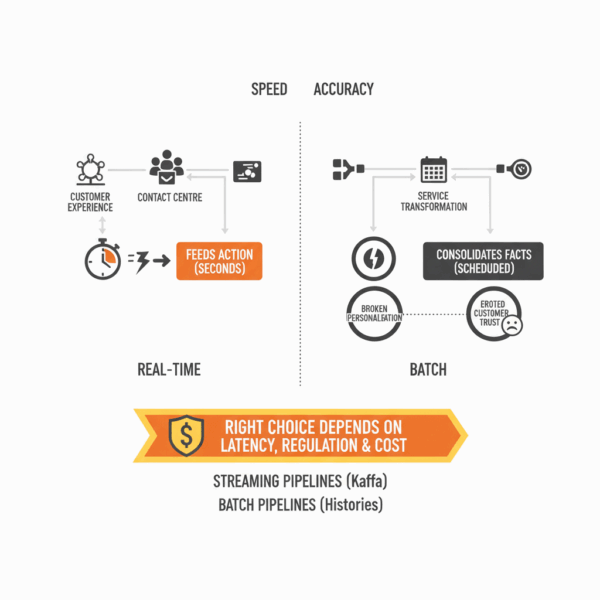
Why do CX leaders keep debating real time vs batch? Executives chase speed because customers judge brands in moments. Leaders chase accuracy because decisions fail without trustworthy data. Real-time data feeds action within seconds. Batch data consolidates facts at scheduled intervals. Both approaches solve different problems in customer experience, contact centre operations, and service transformation.…

Data quality checklist and defect taxonomy templates

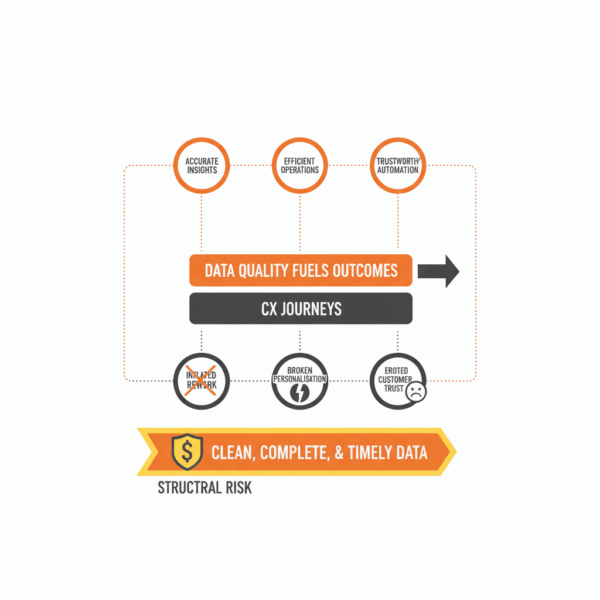
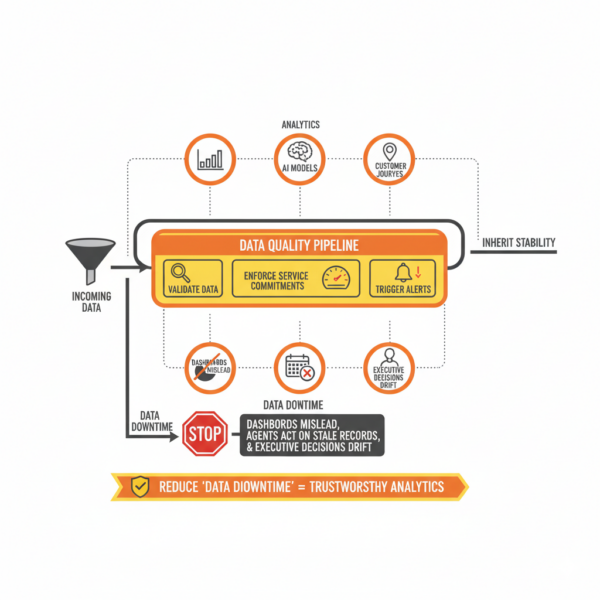
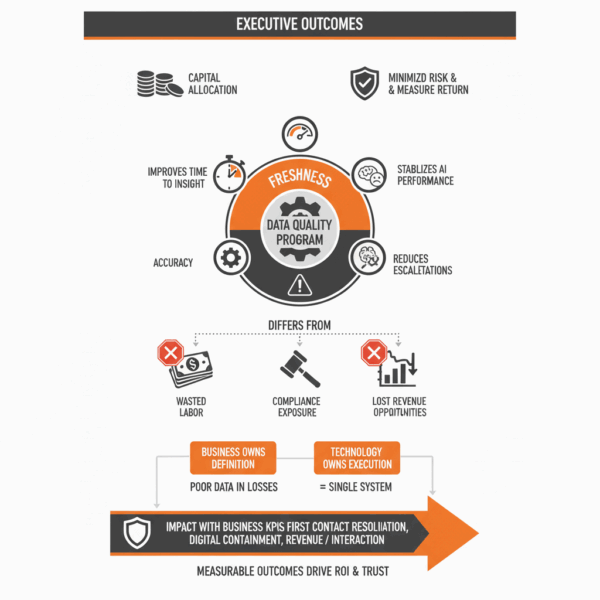
Why data quality fuels Customer Experience outcomes Executives fund journeys, but data quality powers them. Clean, complete, and timely data drives accurate insights, efficient operations, and trustworthy automation across service channels. Poor data quality destroys outcomes by inflating rework, breaking personalisation, and eroding customer trust. Independent analyses estimate the annual economic impact of bad data…

Key principles of lineage and reliability for analytics

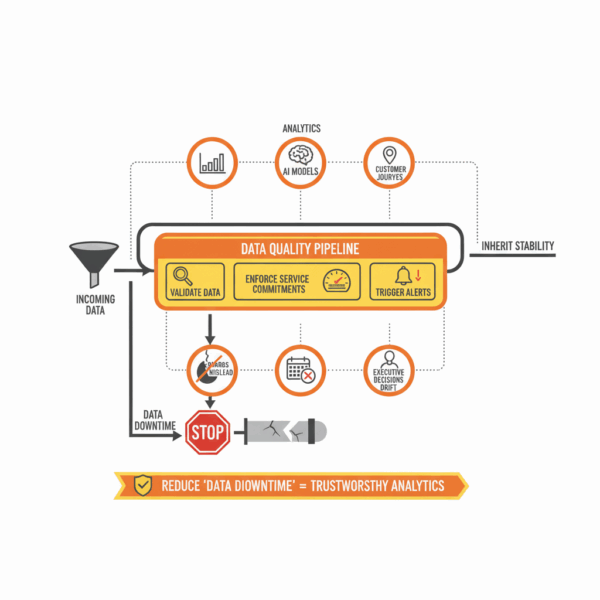
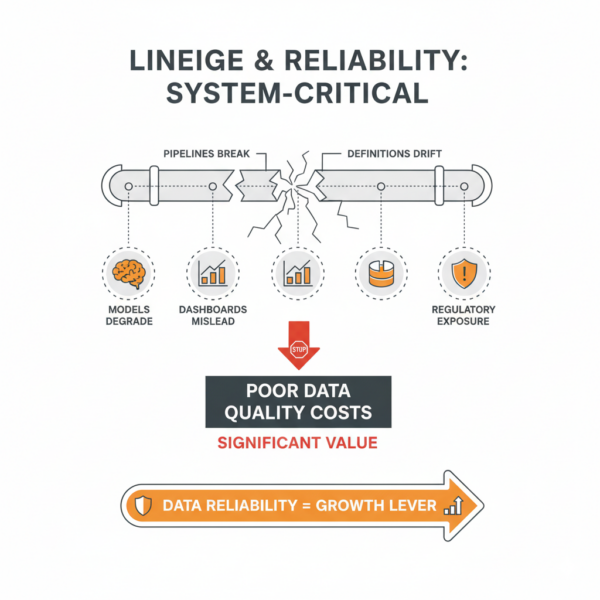
Why do analytics leaders treat lineage and reliability as system-critical? Leaders treat lineage and reliability as system-critical because decisions, controls, and customer experiences depend on trustworthy data. When pipelines break or definitions drift, models degrade, dashboards mislead, and regulatory exposure increases. Poor data quality costs enterprises significant value each year, which turns data reliability from…

What is data quality in cx and why it matters?

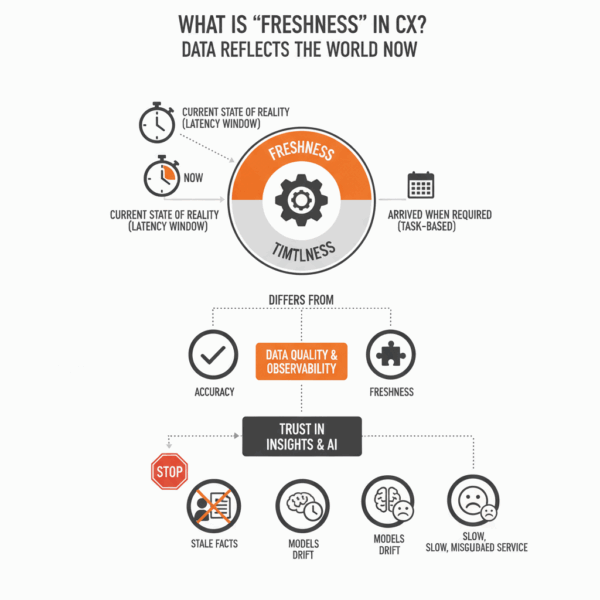
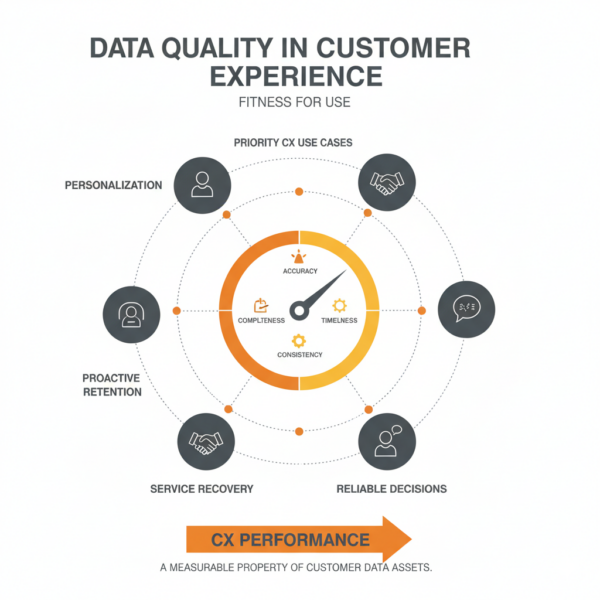
What is data quality in customer experience? Executives define data quality as the degree to which customer data is fit for use in priority customer experience use cases, such as personalization, service recovery, and proactive retention.¹ The benchmark definition, “fitness for use,” comes from information systems research that established accuracy, completeness, timeliness, and consistency as…

How to measure governance effectiveness: metrics and methods

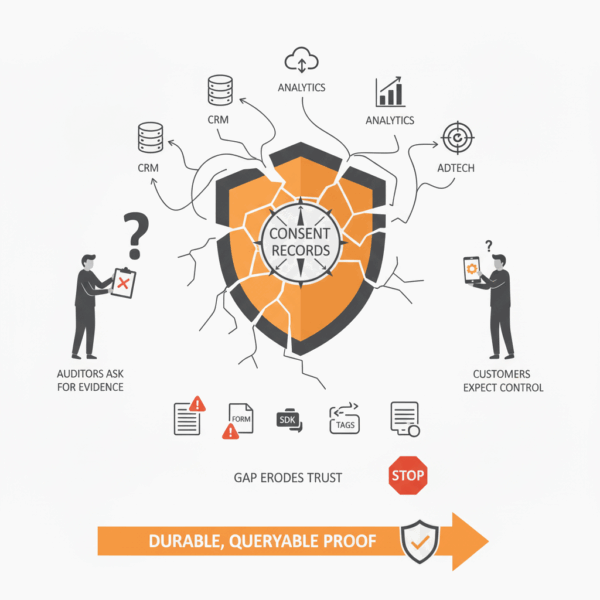
Why does governance measurement matter in CX-led transformations? Executives fund transformation to reduce risk, lift trust, and accelerate value. Governance converts those aims into accountable choices, controls, and behaviours that keep data, AI, and service operations aligned to strategy. When leaders measure governance, they learn which controls work, which incentives backfire, and where decision rights…