




























Case Study: bank lifts cross-sell with real-time decisioning (2025)

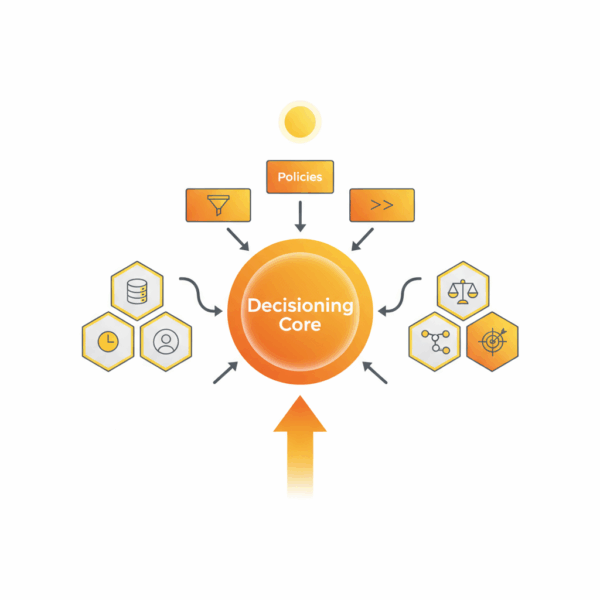
What is real-time decisioning and why does it matter in banking? Executives use real-time decisioning to select the next best action for an individual during a live interaction. Real-time decisioning blends identity resolution, streaming data, analytical models, and business rules to decide what to show, offer, or say in milliseconds. Analysts describe real-time interaction management…

How to measure personalisation impact: metrics and methods?

Why should leaders measure personalisation with discipline? Executives face pressure to prove that personalisation drives revenue, reduces cost, and improves loyalty. Strong intent does not guarantee effect. Leaders need a measurement system that links tailored experiences to commercial and service outcomes. Research shows that well executed personalisation increases purchase likelihood and recommendation propensity, which makes…

Audit your personalisation experiences: a step-by-step workflow

Why audit personalisation now? Executive teams face a simple truth. Personalisation wins when it serves real customer needs with timely, relevant interactions. Multiple studies link strong personalisation to improved conversion and loyalty, and they show how quickly customers switch when experiences miss the mark.¹ Personalisation describes the use of customer data and context to tailor…

Myths and facts about over-personalisation risks

What is “over-personalisation” and why should leaders care? Executives confront a paradox where customers expect relevant experiences while regulators and platforms restrict tracking. Over-personalisation occurs when a brand tailors content or decisions so narrowly that it creates privacy harm, bias, or fatigue. Research shows that most consumers expect some level of personalisation and report frustration…