






















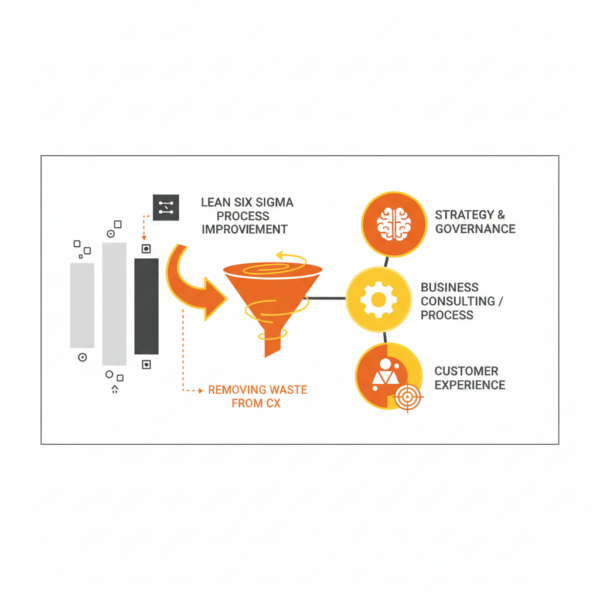
Lean Six Sigma Process Improvement in Digital Service

Digital service leaders face a common challenge. Customer expectations continue to rise while operational budgets remain under pressure. Lean Six Sigma process improvement provides a structured way to remove waste from CX, reduce process variation, and improve service outcomes. When applied to digital services, it helps organisations deliver faster, simpler, and more consistent customer experiences…

Merger and Acquisition Cultural Integration Pitfalls

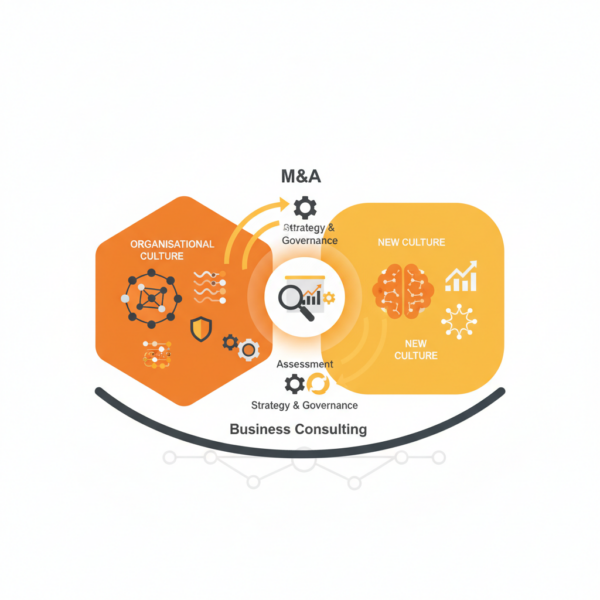
Merger and acquisition cultural integration fails when leaders treat culture as soft, late, or separate from value capture. The main pitfall is unmanaged post merger culture clash: people keep old decision rules, leaders send mixed signals, and customer experience declines before synergy targets are reached. What is merger and acquisition cultural integration? Merger and acquisition…

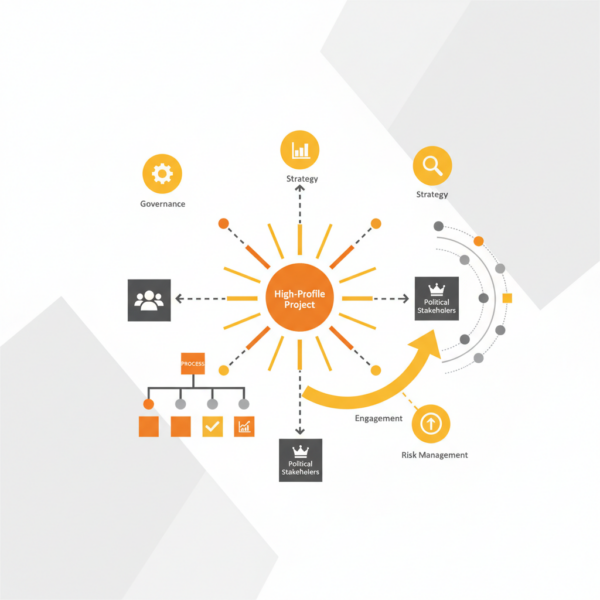
Stakeholder Engagement Strategy for High-Profile Projects

A stakeholder engagement strategy is a structured approach for identifying, prioritising, and influencing stakeholders whose decisions, perceptions, or actions can affect project outcomes. In high-profile projects, particularly those involving government, regulators, boards, community groups, unions, and senior executives, engagement is often the difference between delivery and delay. A disciplined strategy reduces political risk, improves decision…

Organisational Culture Assessment for M&A

Organisational culture assessment has become a core component of successful mergers and acquisitions. Financial, legal, and operational due diligence reveal what an organisation owns and how it performs. Cultural due diligence reveals how people make decisions, respond to change, manage risk, and work together. Organisations that assess culture before integration are better positioned to reduce…

Leadership Development Public Sector: The Shift to “We

Public sector leadership is moving away from individual authority and toward shared responsibility. The most effective leaders now build relationships, create trust across organisational boundaries, and enable collective action. This shift supports better governance, stronger workforce engagement, improved service delivery, and more resilient public institutions. What Is Leadership Development in the Public Sector? Leadership development…

Hybrid Work Policy Design: Balancing Ops and Culture

Hybrid work policy design sits at the intersection of business performance, employee experience, governance, and organisational culture. The strongest policies do not focus on attendance targets alone. They define how work gets done, how teams collaborate, how decisions are made, and how outcomes are measured. Organisations that balance operational requirements with employee flexibility tend to…

Strategy on a Page Template: Aligning the C-Suite

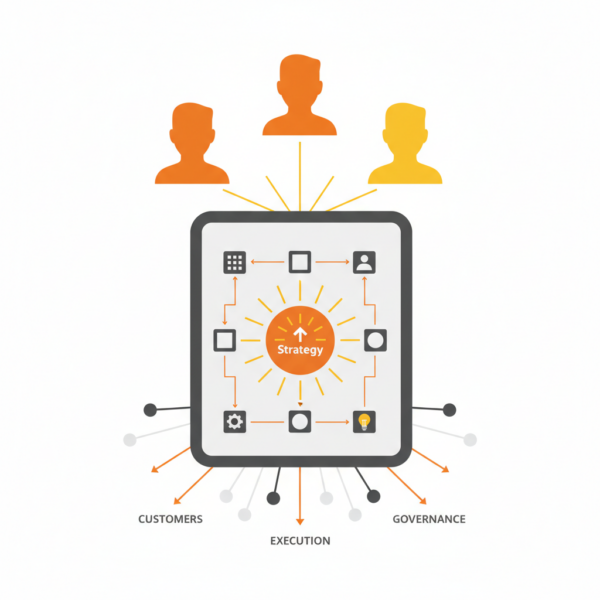
A strategy on a page template gives executives a single visual view of business direction, priorities, measures, and accountability. When designed well, it reduces ambiguity, improves governance, and helps leadership teams make faster, more consistent decisions. Organisations that translate strategy into clear objectives and measurable outcomes are more likely to outperform peers and sustain long-term…

Probity in Government Procurement: The Advisor’s Role

Probity in government procurement protects fairness, transparency, accountability and value for money. A probity advisor helps agencies prevent problems before they damage a sourcing process. A probity auditor checks whether the process was followed. The advisor’s role is practical, independent and preventative, especially in complex, high-value or sensitive procurements. Definition What is probity in government…

Target Operating Model (TOM): The Blueprint for Execution

A Target Operating Model (TOM) provides the structure that turns strategy into repeatable execution. It defines how people, processes, governance, technology, data, and performance management work together to achieve business objectives. Organisations that invest in TOM development often improve decision-making speed, reduce duplication, strengthen accountability, and create a clearer path from strategic intent to operational…

Change Fatigue Management in Constant Transformation

Change fatigue management is the structured practice of helping employees maintain engagement, wellbeing, and performance during sustained organisational change. Businesses that actively manage fatigue during transformation experience stronger employee trust, lower resistance, better adoption rates, and improved operational outcomes. Sustaining morale during change requires governance, communication, leadership visibility, and measurable feedback mechanisms working together over…