









Knowledge Quest vs. SharePoint: Why You Need a Specialised KM Tool

A specialised knowledge management tool is built to keep frontline knowledge accurate, findable, and measurable under operational pressure. SharePoint is a strong general platform for collaboration and document storage, but it usually needs heavy configuration to meet contact centre KM needs. If knowledge quality, agent speed, and self-service accuracy drive cost and CX, a purpose-built…
Accelerating Agent Proficiency: How Knowledge Quests Speeds Up Onboarding

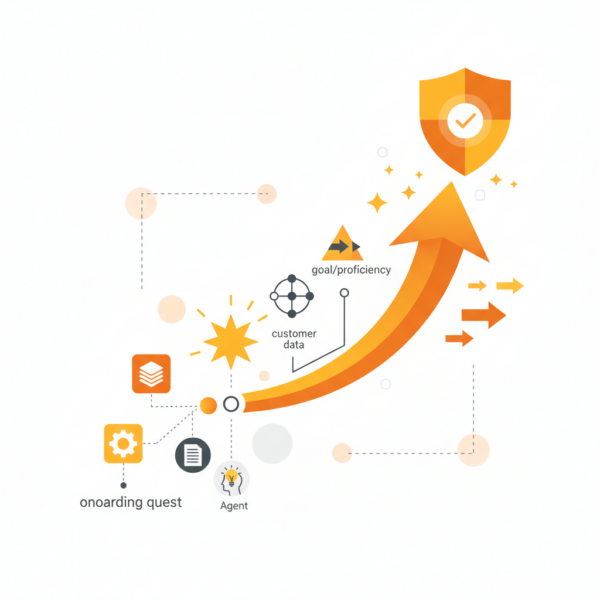
New agents become proficient faster when onboarding shifts from “content completion” to verified competence. Knowledge Quests use bite-sized tasks, retrieval practice, and spaced reinforcement to validate real job performance, not attendance. For contact centres facing high attrition and long ramp times, this approach improves consistency, reduces rework, and stabilises customer experience outcomes by making knowledge…

Powering Self-Service with Curated Knowledge: The “Single Source of Truth”

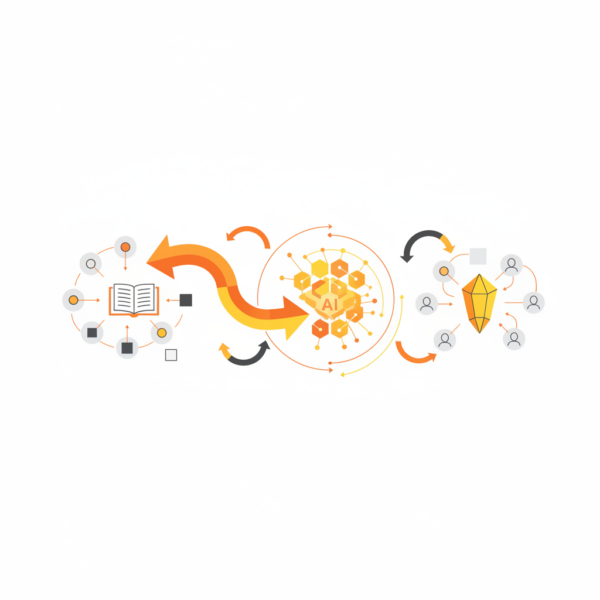
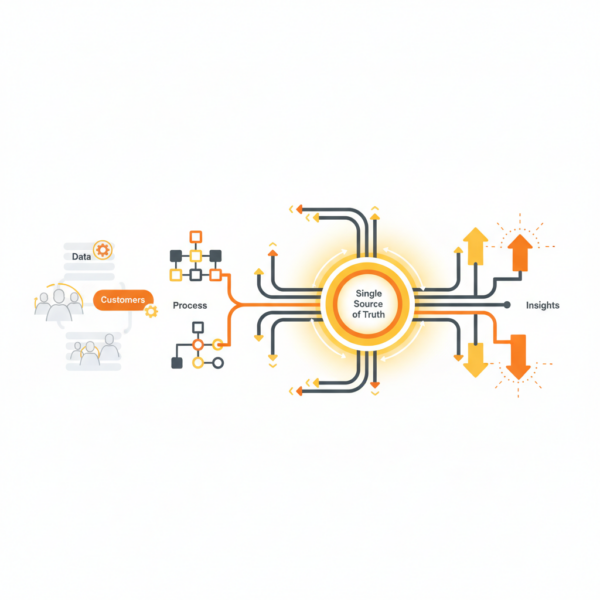
Powering self-service depends on one controllable factor: trusted knowledge. A curated “single source of truth” aligns policies, product rules, and service steps into one governed knowledge layer used by customers, agents, bots, and digital journeys. When content is findable, current, and consistent, self-service becomes accurate, deflection rises, and contact centres reduce rework without sacrificing compliance…

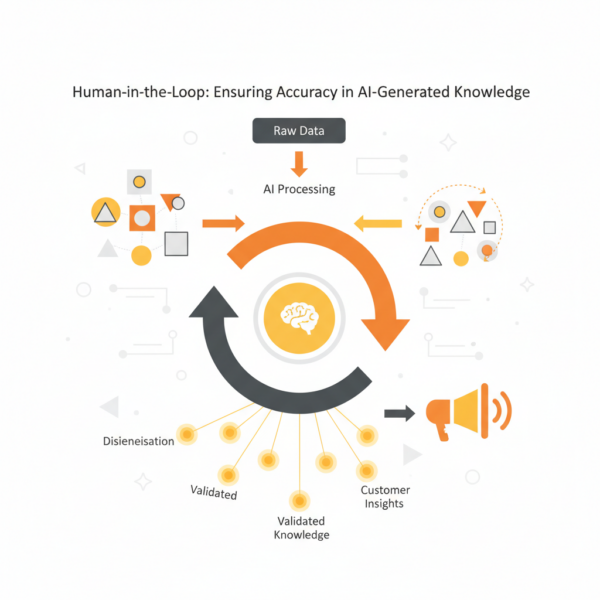
Human-in-the-Loop: Ensuring Accuracy in AI-Generated Knowledge

Human-in-the-loop governance reduces AI knowledge errors by combining automated checks with accountable human review. It prevents unsupported answers, aligns content to policy and brand, and creates audit-ready evidence of how knowledge was generated, approved, and improved. For contact centres, it protects customers and staff while improving speed, consistency, and trust. Definition What is human-in-the-loop for…

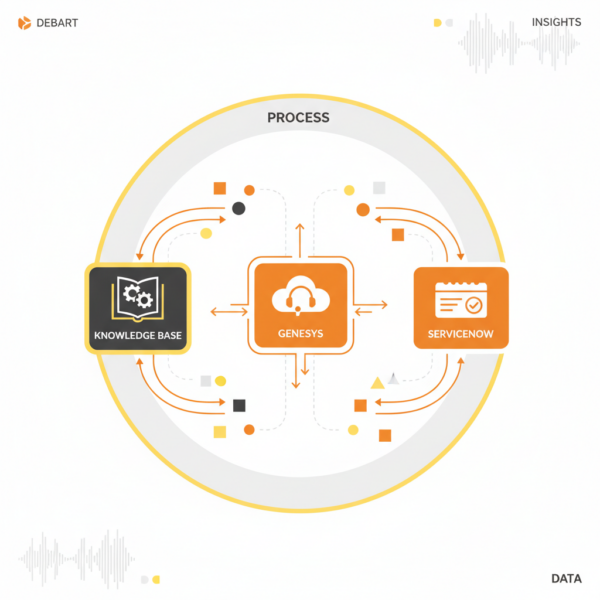
Connecting Your Knowledge Base to Genesys and ServiceNow

Connecting one governed knowledge base to both Genesys and ServiceNow reduces agent search time, improves answer consistency, and enables measurable self-service. The highest-performing approach uses shared taxonomy, controlled publication workflows, and secure APIs so content is created once, reused across channels, and continuously improved through feedback and analytics. What does connecting a knowledge base to…

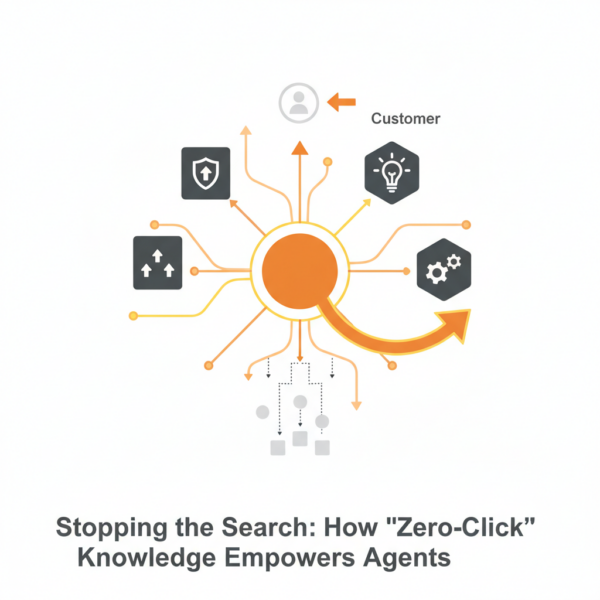
Stopping the Search: How “Zero-Click” Knowledge Empowers Agents

Zero-click knowledge stops the search loop by surfacing the best answer inside the agent’s workflow, at the moment of need. It reduces context switching, improves answer consistency, and shortens time to resolution. When combined with governance and measurable knowledge health, it can lift productivity, improve customer sentiment, and strengthen agent experience across voice and digital…

Beyond Search: How AI Can Draft and Maintain Your Knowledge Articles

A failing knowledge base is rarely a content problem alone. It is a knowledge health problem: low findability, unclear ownership, slow change control, and weak feedback loops. This drives longer handle times, more escalations, and higher compliance risk. A knowledge health operating model fixes this by measuring quality in production, prioritising high-impact gaps, and continuously…

The “Knowledge Health” Crisis: Why Your KB is Failing Your Agents

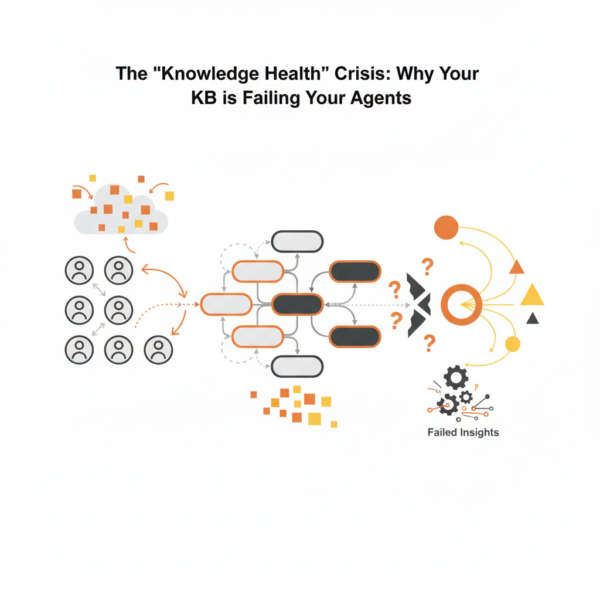
A failing knowledge base is rarely a content problem alone. It is a knowledge health problem: low findability, unclear ownership, slow change control, and weak feedback loops. This drives longer handle times, more escalations, and higher compliance risk. A knowledge health operating model fixes this by measuring quality in production, prioritising high-impact gaps, and continuously…