






















Privacy and Consent Management in Customer Experience

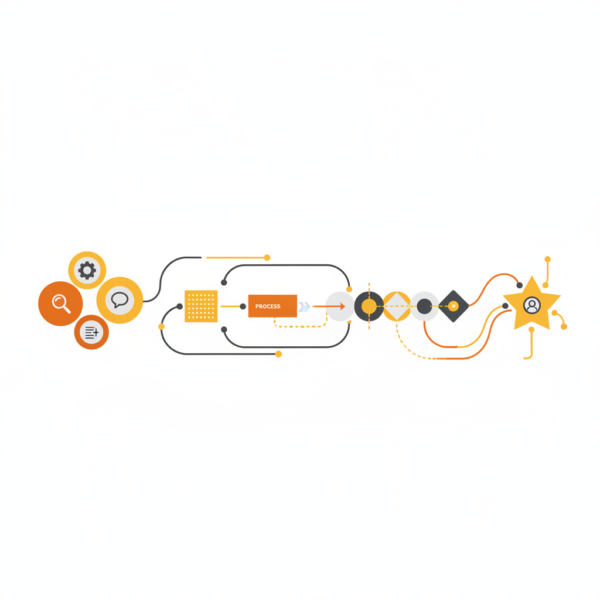
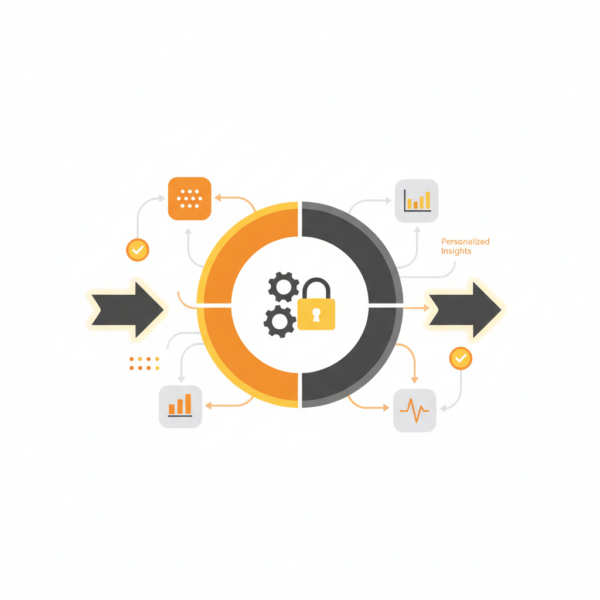
Privacy and consent management in customer experience is the disciplined way an organisation captures permission, records proof, and reliably applies customer choices across every channel and partner. Done well, it reduces regulatory risk, improves trust, and removes journey friction. Done poorly, it creates inconsistent experiences, weak evidence, and downstream data misuse that undermines personalisation and…

Customer Data Governance: Framework for CX Leaders

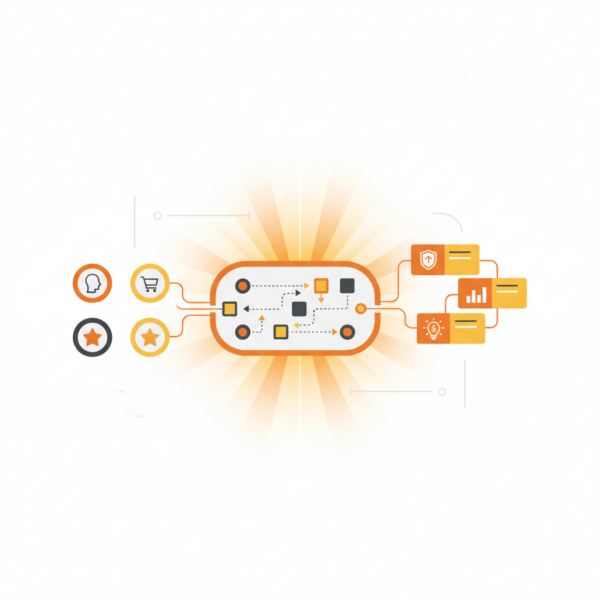
Customer data governance aligns decision rights, controls, and accountability so customer information stays accurate, secure, and usable across journeys. CX leaders use it to cut privacy risk, enable trustworthy AI, and improve service outcomes. This article defines the scope, compares standards, and gives a step-by-step mechanism, measures, and next actions for enterprise adoption, aligned to…

From Personas to Journey Maps: Connecting the Dots

Personas only create business value when they drive decisions. Persona journey mapping connects research-based personas to journey maps that show what customers try to achieve, where effort spikes, and which operational fixes matter. Done well, it turns “insight” into a measurable service transformation backlog, improves consistency across channels, and reduces avoidable demand and cost. Definition…

Creating Customer Personas That Drive Action

A persona system turns customer insight into operational decisions. The difference between shelfware and impact is governance: clear decision use-cases, evidence-backed segments, measurable hypotheses, and regular refresh. The most effective customer persona development links personas to journeys, channel design, and contact centre performance, then tracks outcomes such as reduced customer effort, fewer repeat contacts, and…

Retention Program Design: Evidence-Based Approaches

A customer retention program reduces churn by removing the specific service and product causes that make customers leave, then validating which interventions work through disciplined measurement. Evidence-based designs combine journey fixes, proactive service, and targeted save actions with privacy-safe data governance. The result is lower churn, higher lifetime value, and fewer discount-heavy “save” cycles. Definition…

Customer Health Scoring: Practical Implementation

Customer health scoring translates varied customer signals into a single, calibrated indicator that predicts churn and expansion, guides interventions, and supports executive governance. The practical path is to define leading and lagging indicators, design a composite score with transparent weights, validate it against hard outcomes, operationalise alerts and playbooks, and monitor drift, fairness, and ROI…

Customer Churn Analysis: Identifying At-Risk Customers

C-level teams can reduce voluntary churn by building a disciplined, privacy-safe analytics program that flags at-risk customers early, explains the drivers of risk, targets the right save offer, and tracks commercial impact in weeks, not months. The operating model blends calibrated prediction, uplift targeting, service design, and test-and-learn. Executives should fund a cross-functional squad with…

How to Avoid Procurement CX Technology Mistakes

CX technology procurement succeeds when executives align outcomes, risks, and lifetime value before they shop. Leaders define measurable service goals, map operational dependencies, and test vendor claims against quality, security, and interoperability controls. Teams then compare complete cost and exit options, pilot high-risk capabilities, and contract for observable impact. This approach avoids lock-in, overruns, and…