















Synthetic Data for Testing: Privacy-Safe Development

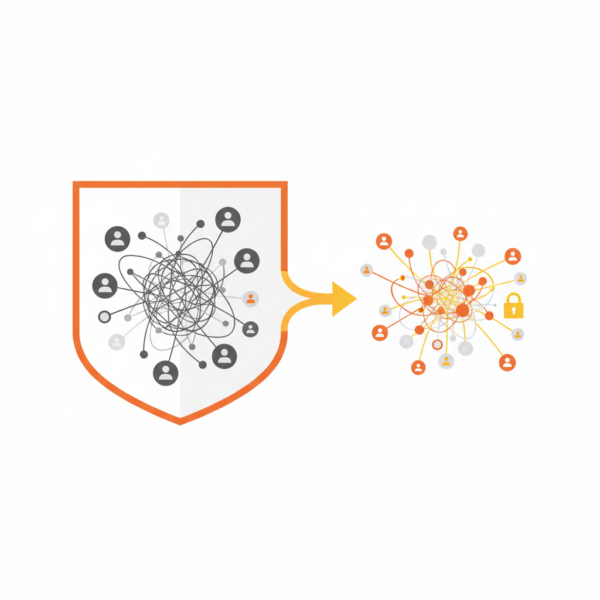
Synthetic Data for Testing in Privacy-Safe Development Synthetic data for testing refers to artificially generated datasets that mirror real-world patterns without containing actual personal information. It is widely used in software engineering and AI development to reduce exposure to sensitive data while keeping systems realistic enough for meaningful validation. This approach is becoming a standard…
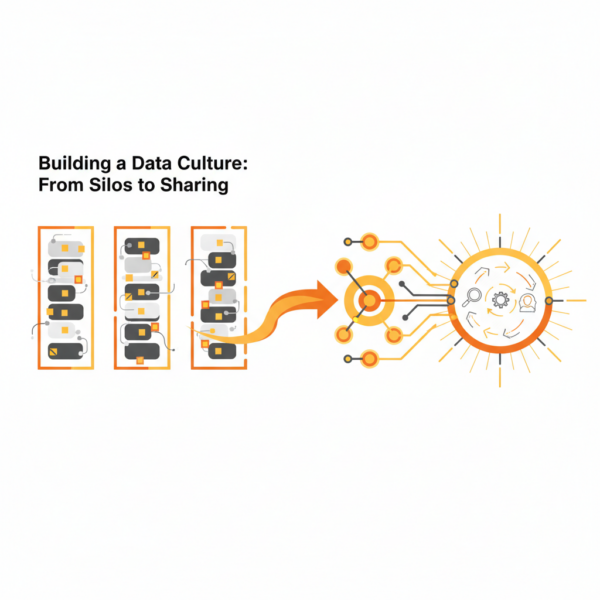
Building a Data Culture: From Silos to Sharing

A strong data culture shapes how people work, not just how systems store information. Many organisations still operate in silos where teams guard data or interpret it differently. Moving toward shared understanding depends on trust, shared language, and practical data literacy programs that help people read, question, and use information in everyday decisions. Definition: What…

Records Management Compliance in a Hybrid World

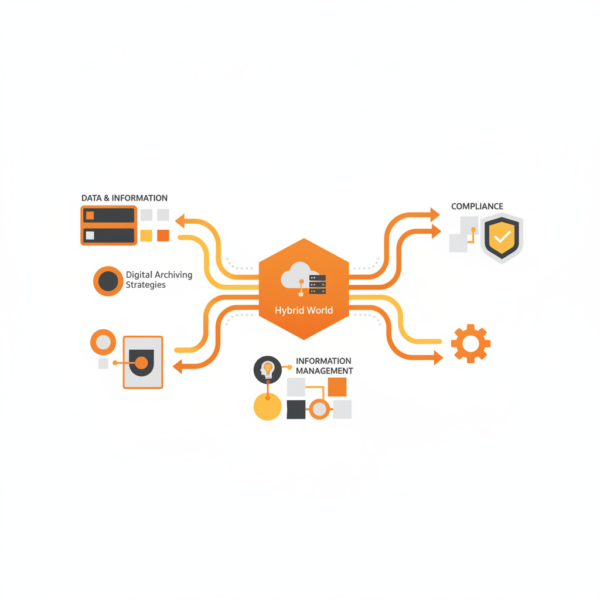
Records Management Compliance in a Hybrid World Hybrid work didn’t just change where people work. It scattered records across devices, apps, cloud drives, and messaging tools that were never designed to behave like formal repositories. Compliance now depends on whether organisations can still prove control, retention, and authenticity across all of it. Records don’t fail…

Data Classification Policy: Securing the Crown Jewels

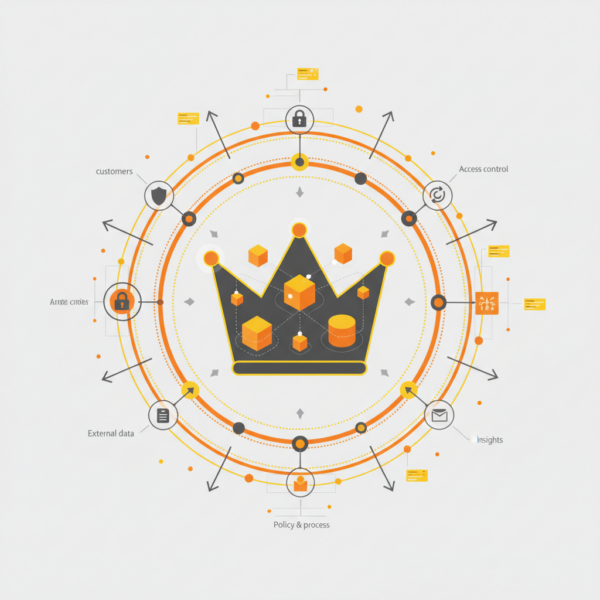
Data Classification Policy: Securing the Crown Jewels Definition A data classification policy sets the rules for how information gets labelled, handled, and protected across an organisation. Simple idea. Hard execution. At its core, it separates data into sensitivity tiers. Public. Internal. Confidential. Restricted. Sometimes more granular depending on sector pressure or regulatory load. Data sensitivity…

SharePoint Document Management and Information Architecture

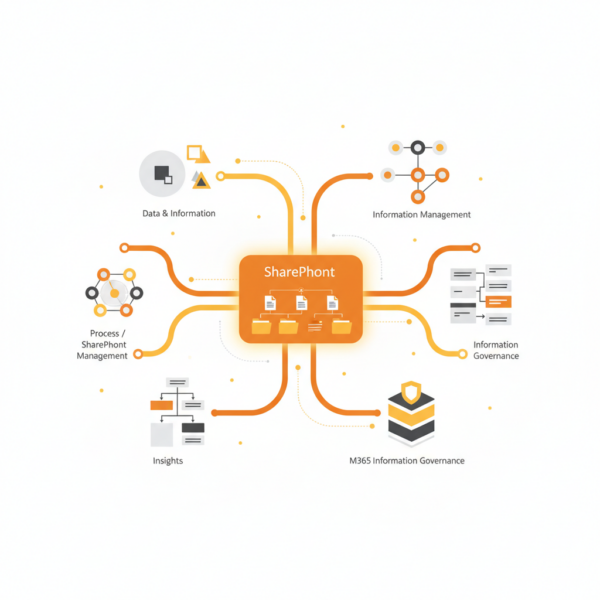
A clear way to structure information in Microsoft 365 starts with SharePoint. When document libraries grow without rules, teams lose track fast. This guide explains how information architecture and governance shape control, search, and compliance across SharePoint environments, with a focus on enterprise use in Microsoft 365. Definition SharePoint document management refers to how organisations…

Australian Privacy Act Changes 2025: What You Need to Know

Australia’s Privacy Act didn’t just get a tweak in 2025. It shifted the ground businesses stand on. New rights for individuals, stronger enforcement, and direct legal exposure now sit inside everyday data handling. Companies that collect, store, or analyse personal information are no longer operating in a “compliance-only” zone. They are now operating in a…

The Information Management Maturity Model Explained

A strong information management maturity model helps organisations assess how well information is governed, protected, used, and improved over time. The model provides a structured way to measure capability across people, systems, governance, lifecycle management, and data quality. In Victoria, the IM3 assessment framework has become a widely referenced benchmark for public sector information maturity…

Implementing a Data Governance Framework in 2025

A modern data governance framework in 2025 focuses on operational accountability, AI readiness, regulatory control, and business-wide trust in data. Organisations that establish cross-functional governance councils, measurable ownership models, and structured information controls reduce compliance risk, improve reporting quality, and strengthen decision-making across customer, operational, and digital environments. What Is a Data Governance Framework in…

Privacy Impact Assessment AI: Navigating New Regulations

Artificial intelligence systems now influence hiring, insurance, banking, health services, and public administration. That scale changes privacy risk. A privacy impact assessment AI framework helps organisations identify how algorithms collect, infer, store, and share personal information before harm occurs. Strong assessments reduce regulatory exposure, improve governance, and create clearer accountability for automated decision-making. What Is…