Life Event Journey Mapping for Public Services

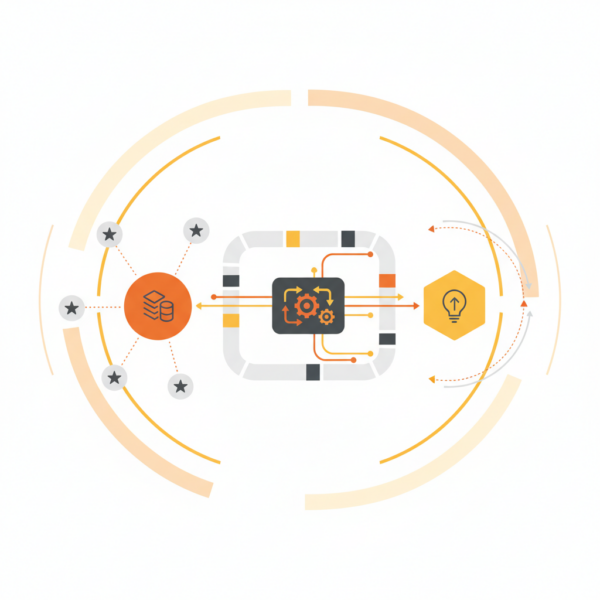
Life event journey mapping helps governments design services around real moments in people’s lives rather than around agency structures. By analysing how citizens interact with multiple departments during events such as having a child, losing a job, or retiring, public sector teams can redesign services to reduce friction, cut duplication, and improve access to support.…

WCAG 2.2 Compliance Guide for Australian Websites

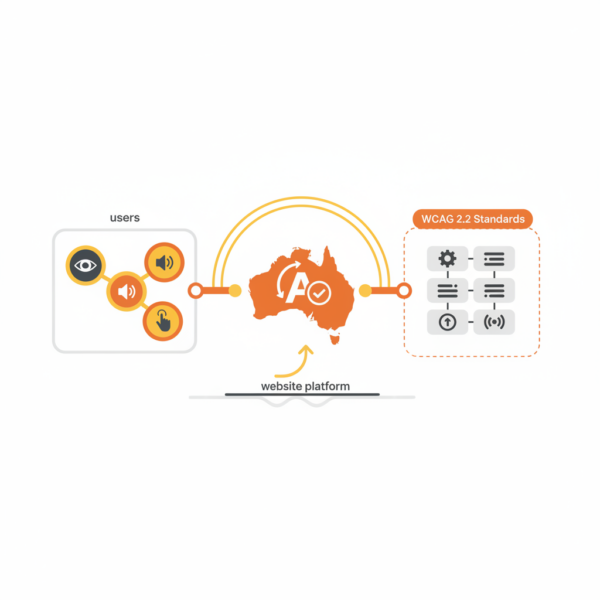
Summary WCAG 2.2 compliance defines how Australian websites must design and test digital services so people with disabilities can access them. The update expands accessibility guidance around focus visibility, authentication, and mobile interaction. For organisations operating government, financial, and service platforms, WCAG 2.2 introduces practical design, research, and testing obligations that reduce legal risk and…

Designing a Voice of Customer (VoC) Program That Drives Action

A well-designed Voice of Customer (VoC) program converts customer feedback into operational decisions. It links structured insight collection with analytics, governance, and action loops across the organisation. When executed correctly, a VoC analytics framework helps leaders identify experience failures, prioritise change, and measure CX impact on revenue, retention, and operational performance. Definition What is a…

Customer Friction Analysis: Finding the Drop-Offs

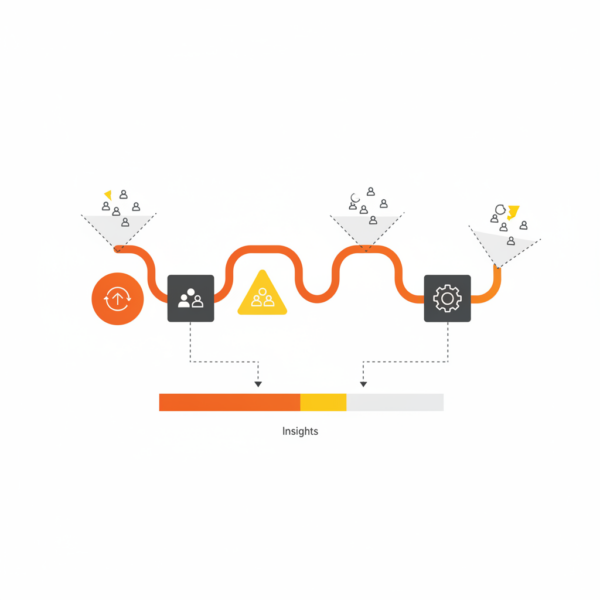
Customer friction analysis identifies the moments where customers slow down, abandon tasks, or fail to complete journeys. By examining behavioural signals, operational data, and experience feedback together, organisations can detect hidden barriers across digital channels and contact centres. Removing these barriers improves conversion rates, reduces service costs, and raises customer satisfaction across complex service ecosystems.…

The Ultimate Service Blueprint Template

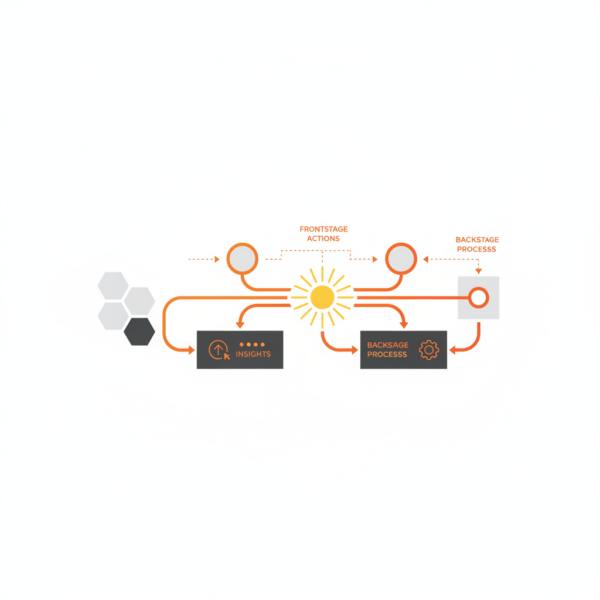
A service blueprint template maps every interaction between customers, staff, and systems so organisations can see how service delivery actually works. It links customer actions with internal processes, technology, and support roles. The result is clear operational visibility. Leaders can identify bottlenecks, design better experiences, and align frontstage service with backend capability. Definition What is…

Ethnographic Research: Deep Context for UX Design

Ethnographic research for CX design observes customers in real situations to uncover behaviours, needs, and workarounds that surveys or analytics rarely reveal. The method captures context, environment, and decision patterns. CX leaders use it to design services that reflect how customers actually act, not how they claim they behave. What Is Ethnographic Research in Customer…

The UX Research ROI Calculator for Stakeholders

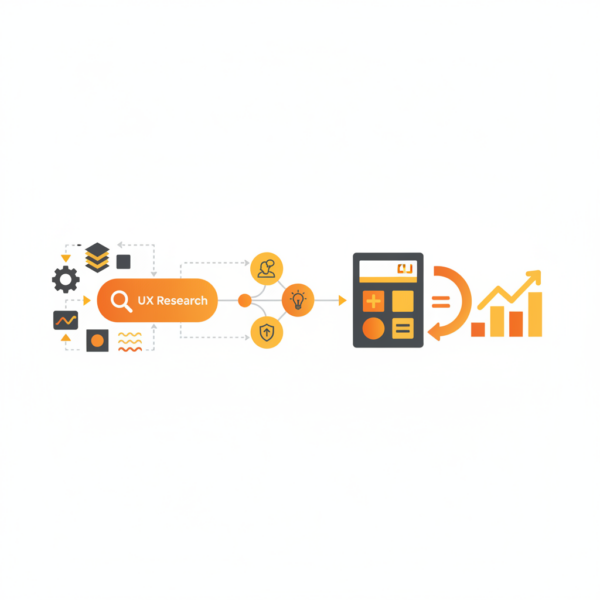
A UX research ROI calculator estimates the financial return generated by user research activities. It links research investment to measurable outcomes such as increased conversion, reduced development waste, and improved customer retention. For stakeholders and executives, this turns UX research from a perceived cost into a quantified business asset that informs strategy, product design, and…

Inclusive Design in Digital Government Platforms

Inclusive design in digital government platforms means building public services so people with diverse capabilities, contexts, and literacy levels can complete important tasks with dignity, confidence, and low effort. In practice, that requires human-centred research, accessible interaction patterns, plain language, and continuous measurement, especially for people with cognitive disabilities who are often excluded by complexity,…

User Testing Best Practices for Australian Business

User testing helps Australian businesses reduce friction before launch, improve conversion and service completion, and lower risk in accessibility and privacy. The best programs use representative participants, realistic tasks, iterative rounds, and clear success metrics. For Australian teams, good practice also means aligning testing with local accessibility, privacy, and service-design expectations, then turning findings into…