






























Summary
Business intelligence fails when organisations treat it as a tooling problem. Dashboards do not create insight. A strong data culture aligns people, processes, and governance so data is trusted, used, and acted upon. Without cultural foundations, BI investments increase cost and complexity without improving decisions or outcomes.
What is a data culture in business intelligence?
A data culture exists when data is consistently used to guide decisions at every level of the organisation. Leaders expect evidence. Teams trust metrics. Governance is clear and proportionate. In this environment, BI tools amplify capability rather than compensate for gaps.
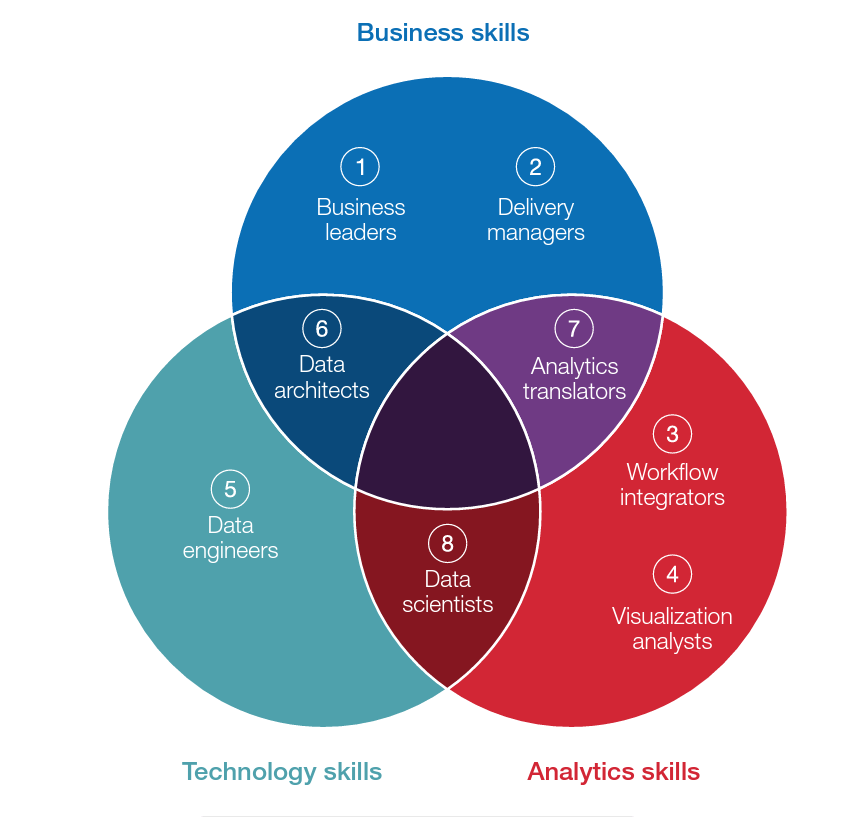
A data culture is not about technical skill alone. It combines leadership behaviour, incentives, literacy, and accountability. Studies show organisations with strong data cultures are significantly more likely to outperform peers on revenue growth and operational efficiency¹. Tools enable access. Culture determines impact.
Why do BI tools fail without cultural alignment?
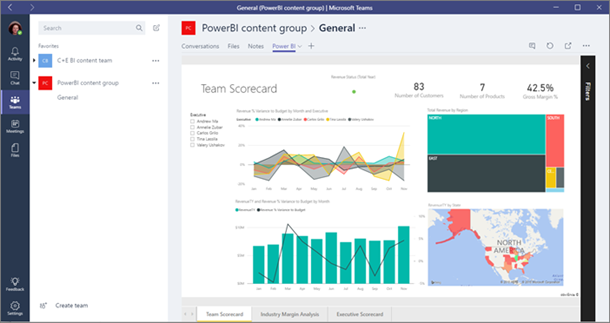
Most BI programs start with dashboards. Metrics proliferate quickly. Definitions vary. Trust erodes. Users revert to spreadsheets or intuition. This pattern is common across industries.
The root cause is misalignment. Executives ask for insights but reward speed over accuracy. Teams lack clarity on metric ownership. Data quality issues remain unresolved because responsibility is diffuse. Research from Gartner shows that poor data literacy and unclear accountability are primary reasons analytics initiatives stall².
How leadership behaviour shapes data adoption
Leaders define culture through action. When executives challenge decisions unsupported by data, usage increases. When leaders override evidence with opinion, trust collapses.
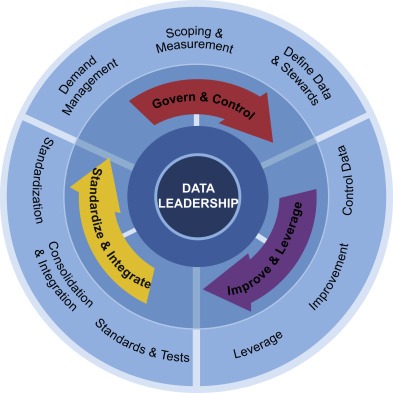
Effective leaders model disciplined data use. They agree on a small set of enterprise metrics. They invest in governance and capability building. They treat BI as critical infrastructure, not a reporting function. This behaviour signals that data matters beyond monthly reviews.
What role does governance play in a healthy data culture?
Governance is often perceived as bureaucracy. In practice, it is the foundation of trust. Clear definitions, lineage, access control, and stewardship enable confidence in insights.
Standards such as ISO 8000 and ISO 27001 emphasise data quality, ownership, and protection as prerequisites for reliable information³. Lightweight, embedded governance supports speed by reducing rework and debate.
How does data literacy affect BI outcomes?
Data literacy determines whether insights are understood and applied. Without shared understanding, even accurate analysis is ignored or misused.
Effective programs focus on role-based literacy. Executives learn how to interpret trends and uncertainty. Managers learn how to ask better questions. Analysts learn to communicate impact, not just results. Organisations that invest in literacy see higher BI adoption and lower reporting churn⁴.
Where should organisations start building data culture?
The starting point is decision clarity. Identify the most important decisions the organisation makes. Define the metrics that should inform them. Assign ownership. Only then select or configure tools.
Customer Science CX Research and Design services support this process by aligning business decisions, data models, and analytics capability. This reduces wasted investment and accelerates adoption.
What are the risks of ignoring data culture?
Ignoring culture leads to metric sprawl, inconsistent reporting, and decision paralysis. It also increases compliance and reputational risk when data is misinterpreted or misused.
Over time, BI becomes noise. Investment grows. Value declines. This pattern is well documented in longitudinal studies of failed analytics transformations⁵.
How should progress be measured?
Progress is measured through behaviour, not dashboards. Indicators include:
Reduced debate over metric validity
Increased use of BI in planning and governance forums
Faster alignment on decisions
Improved confidence in forecasts and performance reviews
Customer Science Insights enables measurement by linking analytics usage to operational and financial outcomes, closing the loop between insight and value.
What are the next steps for leaders?
Leaders should assess cultural readiness alongside technical maturity. This includes leadership behaviours, governance clarity, and literacy levels. A staged roadmap reduces risk and builds momentum.
Customer Science CX Consulting and Professional Services support data culture transformation through operating model design, governance frameworks, and analytics enablement.
Evidentiary Layer
Customer Science product and service references in this article are based on official Customer Science documentation and solution descriptions.
FAQ
Can better BI tools fix poor decision-making?
No. Tools enable access but do not create trust, accountability, or insight without cultural alignment.
What is the biggest barrier to data culture?
Leadership inconsistency is the most common barrier. Behaviour matters more than technology.
How long does it take to build a data culture?
Meaningful change typically occurs over 12 to 24 months with sustained leadership commitment.
Which Customer Science products support data culture?
Customer Science Insights supports trusted analytics. Knowledge Quest supports governed access to data and insight.
How does governance slow or speed up BI?
Good governance speeds BI by reducing rework and debate. Poor governance creates friction.
Is data culture relevant outside analytics teams?
Yes. Data culture applies to executives, managers, and frontline teams who make decisions.
Sources
McKinsey & Company. The age of analytics. 2020.
Gartner. Data and analytics leadership research. 2021.
ISO/IEC 27001:2022 Information security management systems.
OECD. Enhancing data literacy in organisations. 2019.
Harvard Business Review. Why data-driven transformations fail. 2021.