How to roll out a cx metrics framework in your organisation?

What is a CX metrics framework and why should leaders care? Executives drive outcomes when they define, measure, and manage customer experience with the same discipline used for finance and risk. A customer experience metrics framework is a structured system that links customer outcomes to business value through standard definitions, data pipelines, governance, and closed-loop…

Leading indicators vs lagging indicators: when to use each?

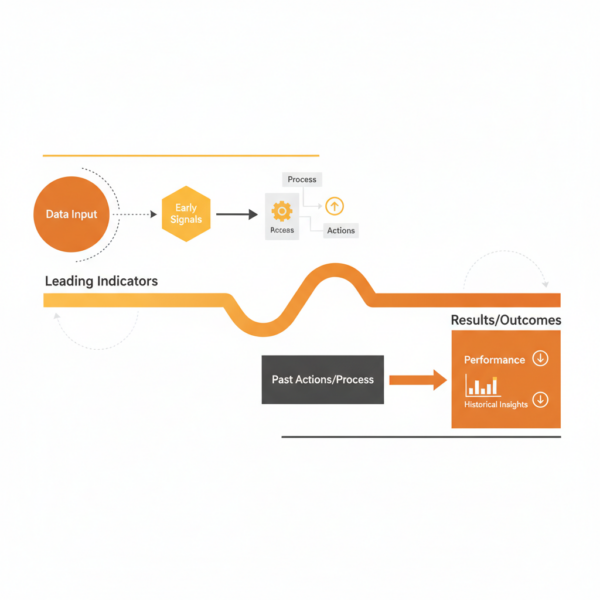
What do “leading” and “lagging” indicators actually mean? Leaders in Customer Experience and Service Transformation need crisp definitions before they choose metrics. Leading indicators are input metrics that change early and signal a likely future outcome. Lagging indicators are outcome metrics that confirm what already happened. The Balanced Scorecard popularised pairing cause metrics with result…

Metrics checklist and scoring templates

Why do leaders need a metrics checklist now? Executives face pressure to prove that customer experience investments drive revenue, reduce cost to serve, and mitigate risk. A strong metrics checklist gives leaders a common language for customer, operational, financial, and risk performance. A consistent scoring template turns that language into repeatable decisions. This article defines…

Implementing customer effort and satisfaction metrics step by step

Why should leaders treat effort and satisfaction as core operating metrics? Executives drive value when they reduce customer effort and raise customer satisfaction in a disciplined way. Leaders who improve experiences for existing customers often outperform peers on growth because they lift retention, share of wallet, and positive advocacy.¹ Customer effort score explains why this…