






















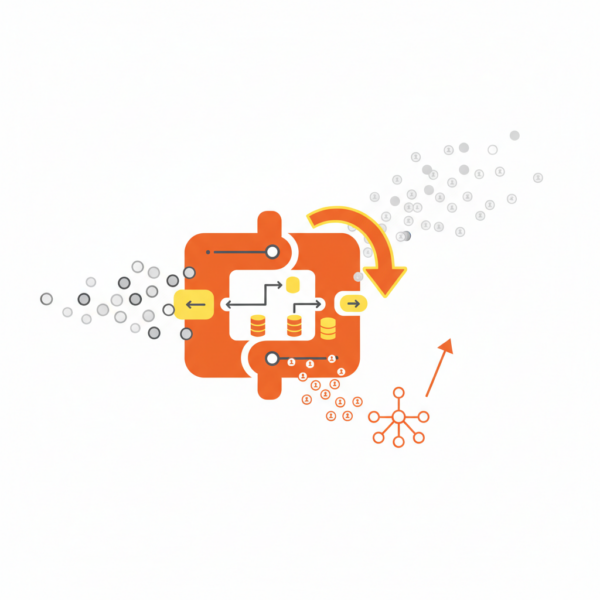
Self Service Portal Automation: Deflecting Volume

Self service portal automation reduces avoidable contact volume by giving customers faster access to answers, transactions, and support workflows without agent intervention. When designed well, intelligent self service improves resolution speed, lowers operational costs, and increases customer satisfaction across digital channels. Organisations that combine automation, knowledge management, and customer insight consistently outperform reactive support models.¹˒²…
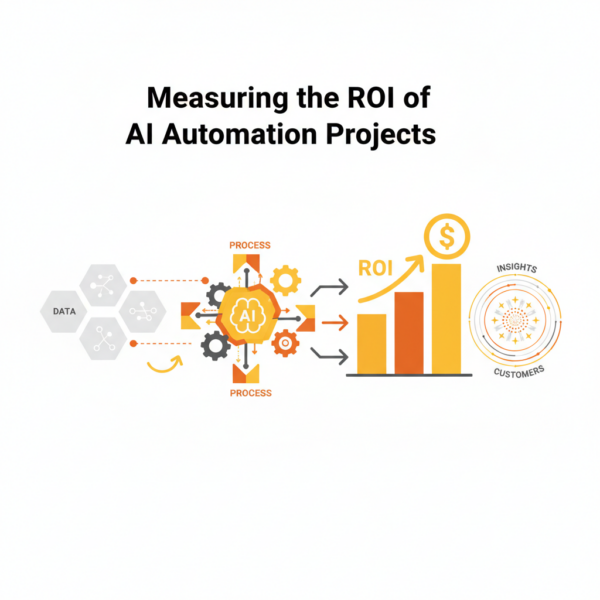
Measuring the ROI of AI Automation Projects

Artificial intelligence automation projects can reduce operating costs, shorten response times, and improve customer outcomes. Yet many organisations struggle to prove measurable business value after deployment. A strong AI automation business case depends on baseline measurement, financial modelling, operational tracking, and governance. Organisations that connect automation outcomes to labour productivity, service quality, risk reduction, and…

AI for Churn Prediction and Intervention

Businesses lose customers long before cancellation occurs. Behaviour shifts, reduced engagement, complaint frequency, and declining transaction patterns often appear weeks or months earlier. AI for churn prediction uses predictive analytics and behavioural modelling to identify those signals early, giving customer teams time to intervene with targeted retention actions that improve revenue stability and customer lifetime…

Automating Customer Onboarding Workflows

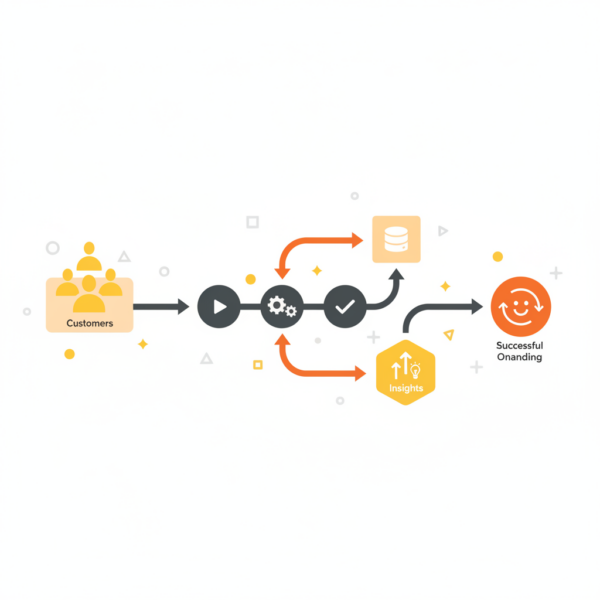
Modern onboarding automation reduces customer effort, shortens activation time, and improves operational control across digital service environments. Organisations that automate onboarding workflows often reduce processing costs, increase completion rates, and improve compliance visibility at the same time. The strongest outcomes come from combining workflow automation, behavioural insight, and customer communication design into a single operating…