






















Summary
Predictive analytics enables customer experience leaders to move from hindsight to foresight. Instead of explaining past outcomes, organisations anticipate demand, risk, and customer behaviour before issues occur. When embedded into CX decision-making, predictive analytics improves service performance, reduces cost, and supports proactive intervention at scale.
What is predictive analytics in customer experience?
Predictive analytics in CX uses historical and real-time data to forecast future customer behaviour, operational demand, and experience outcomes. Techniques include statistical modelling, machine learning, and scenario simulation applied to interaction, journey, and operational data.
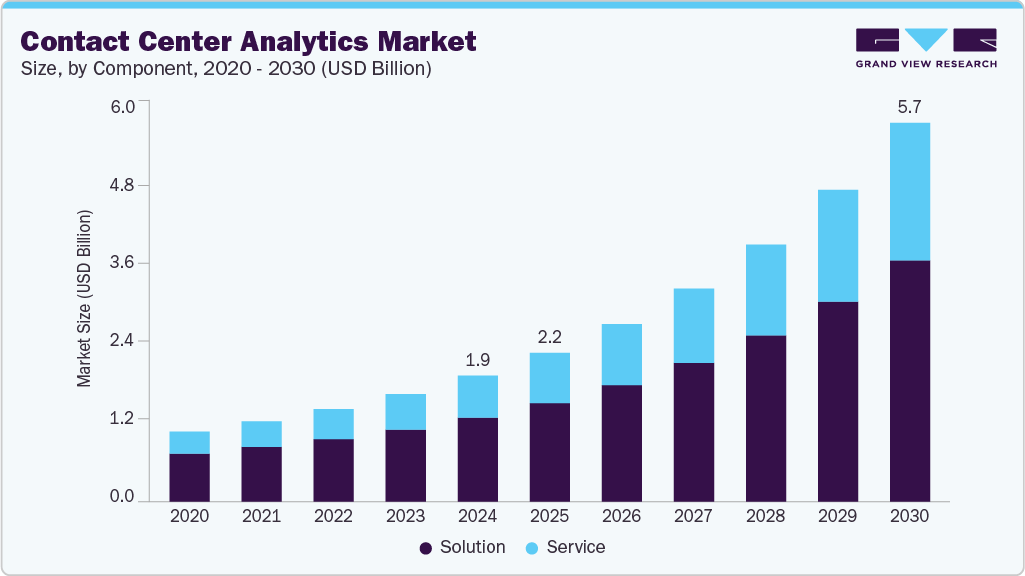
Traditional BI answers what happened. Predictive analytics estimates what is likely to happen next and why. This shift is critical in high-volume service environments where delays in response directly affect cost and satisfaction. Research consistently shows that predictive approaches outperform reactive models in service efficiency and customer retention¹.
Why does hindsight-based CX reporting limit performance?
Most CX reporting is retrospective. Metrics such as CSAT, AHT, and complaints are reviewed after outcomes are locked in. While useful for accountability, these measures do not prevent issues.
Hindsight-based models encourage reactive management. Leaders respond to missed targets rather than avoiding them. According to McKinsey & Company, organisations relying primarily on descriptive analytics struggle to sustain CX improvements because interventions arrive too late².
How does predictive analytics change CX decision-making?
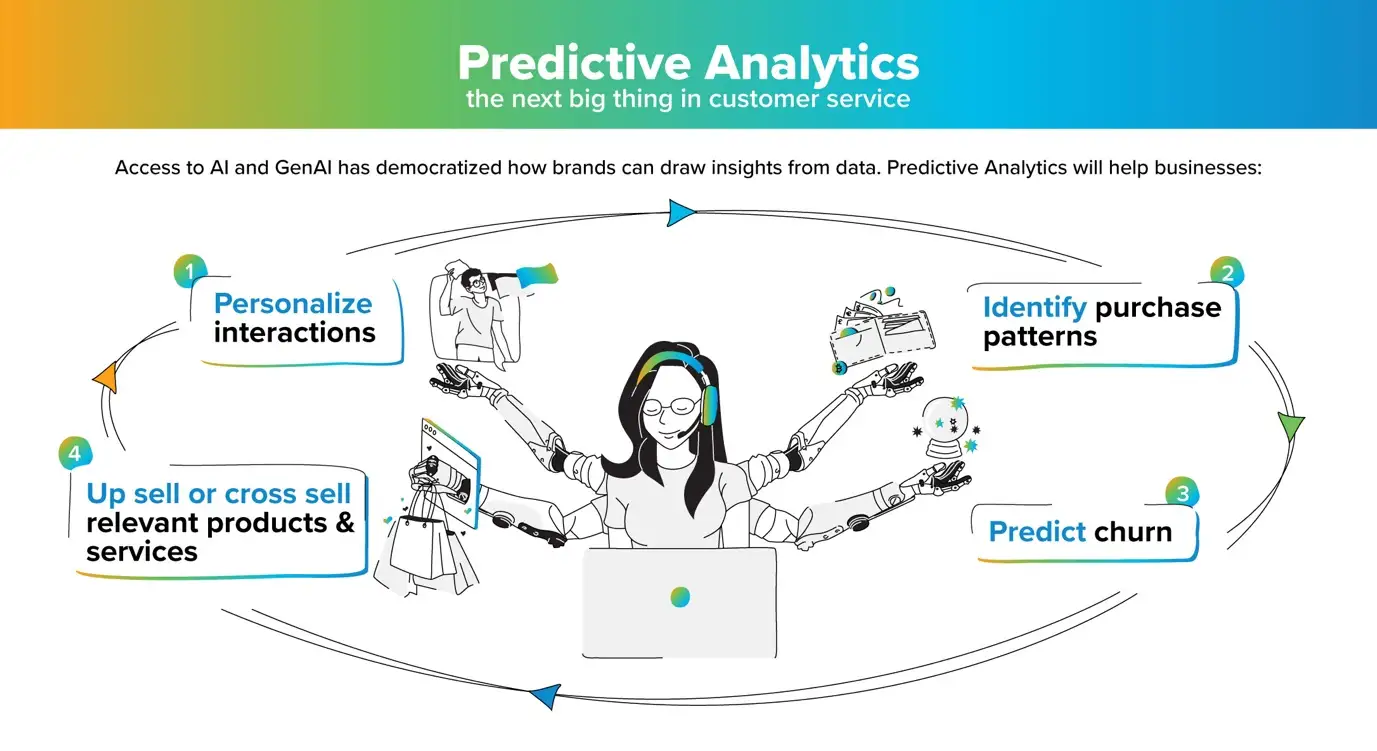
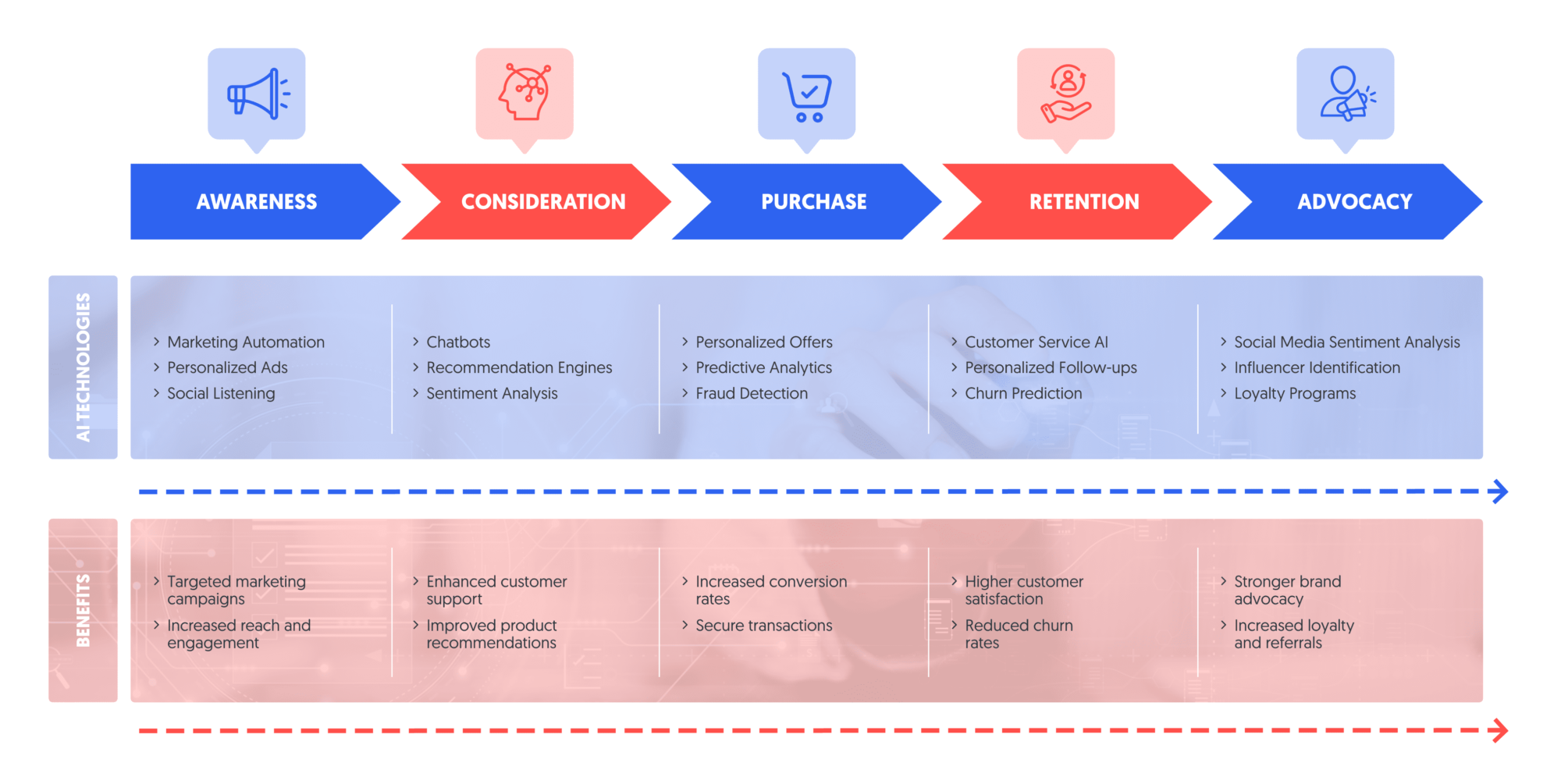
Predictive analytics shifts focus from monitoring to anticipation. Forecasts inform staffing, routing, escalation, and proactive outreach. Early warning indicators identify customers at risk of dissatisfaction or churn before negative events occur.
This capability enables leaders to prioritise interventions with the highest expected impact. Decisions become probabilistic rather than anecdotal. Over time, organisations build confidence in acting ahead of outcomes rather than waiting for confirmation.
What data is required for effective CX prediction?
Effective prediction depends on integrated, high-quality data. Key inputs include interaction history, customer attributes, journey events, operational performance, and external drivers such as seasonality or policy changes.
Data must be time-aligned and consistently defined. Poor data quality degrades model accuracy and erodes trust. Standards from ISO emphasise data quality and governance as prerequisites for reliable analytics³. Without this foundation, predictive models amplify noise rather than insight.
How does predictive analytics compare to traditional BI?
Traditional BI focuses on reporting and explanation. Predictive analytics focuses on estimation and optimisation. BI answers what and why. Predictive analytics answers what next and what if.
The two are complementary. Predictive models rely on BI foundations for data integrity and transparency. Mature organisations integrate predictive outputs directly into BI dashboards and workflows, closing the loop between insight and action⁴.
Where does predictive analytics deliver the most CX value?
High-impact CX use cases include:
-
Contact demand forecasting and workforce optimisation
-
Proactive churn and complaint prevention
-
Next-best-action recommendations
-
Journey risk scoring across channels
These applications reduce variability and improve consistency. Customer Science Insights supports predictive CX by embedding forecasting and risk models into governed analytics layers, making foresight accessible to decision-makers.
What are the risks of predictive analytics in CX?
Poorly designed models create false confidence. Overfitting, bias, and lack of transparency can lead to harmful decisions. Models that cannot be explained are difficult to govern and audit.
Regulated environments require explainability and control. Guidance from OECD highlights the importance of transparency and accountability in algorithmic decision-making⁵. Predictive analytics must support human judgment, not replace it.
How should predictive CX success be measured?
Success is measured by avoided issues, not predicted ones. Indicators include reduced volatility, fewer escalations, improved forecast accuracy, and measurable cost avoidance.
Longitudinal studies show that organisations embedding predictive analytics into operations achieve more stable performance and higher customer satisfaction over time⁶. Measurement must focus on outcomes, not model complexity.
What are the next steps to move from hindsight to foresight?
Start with a small number of high-value decisions. Define the outcome to be predicted. Validate data readiness. Build interpretable models. Embed outputs into existing workflows.
Customer Science CX Consulting and Professional Services and Business Intelligence solutions support this transition by aligning predictive models with operational decisions and governance frameworks.
Evidentiary Layer
Customer Science product and service capabilities referenced in this article are based on official Customer Science product and solution documentation.
FAQ
What is the difference between predictive and prescriptive analytics?
Predictive analytics estimates what is likely to happen. Prescriptive analytics recommends what action to take based on those predictions.
Is predictive analytics only for large organisations?
No. Smaller organisations can apply predictive techniques when data is focused and decisions are well defined.
How accurate are CX predictive models?
Accuracy depends on data quality, stability of patterns, and governance. Models improve over time with monitoring.
Which Customer Science products support predictive CX?
Customer Science Insights supports predictive and forecasting models within a governed analytics framework.
Does predictive analytics replace human decision-making?
No. It augments human judgment by providing probabilistic foresight and early warning signals.
How long does it take to see value?
Initial value can be realised within weeks when applied to a focused use case.
Sources
-
Davenport T, Harris J. Competing on Analytics. Harvard Business School Press.
-
McKinsey & Company. Data-driven customer decision making. 2020.
-
ISO 8000 Data quality standards.
-
Gartner. Predictive analytics in customer experience. 2022.
-
OECD. Principles on artificial intelligence. 2019.
-
Harvard Business Review. How predictive analytics improves customer experience. 2021.
Lorem ipsum dolor sit amet, consectetur adipiscing elit. Ut elit tellus, luctus nec ullamcorper mattis, pulvinar dapibus leo.