


























AI outcomes depend less on algorithms and more on data foundations. Organisations that rush into AI without strong information architecture amplify risk, bias, and inefficiency. This article explains why data readiness for AI starts with information architecture, how it enables generative AI at scale, and what leaders must address before investing in advanced models.
What does data readiness for AI actually mean?
Data readiness for AI describes the extent to which an organisation’s data can be safely, reliably, and effectively used by AI systems. It goes beyond data volume or tooling and focuses on structure, quality, governance, and context.
The core problem is misalignment. Many organisations invest in AI while data remains fragmented, poorly described, and inconsistently governed. AI systems trained on such data produce unreliable outputs and erode trust¹.
True readiness exists when data is discoverable, well structured, governed, and aligned to business and service outcomes. Information architecture is the mechanism that makes this possible.
Why is information architecture the prerequisite for AI?
Information architecture defines how information is organised, classified, related, and governed across systems. It provides the structure that allows AI systems to interpret meaning rather than just process text or records.
Without clear architecture, AI cannot distinguish authoritative sources from duplicates, current policy from outdated guidance, or sensitive data from public content². This creates operational and compliance risk.
For generative AI, the risk is amplified. Large language models generate outputs based on patterns in available data. Poor architecture increases hallucination, inconsistency, and misuse of sensitive information.
How does information architecture support generative AI?
Structuring meaning and context
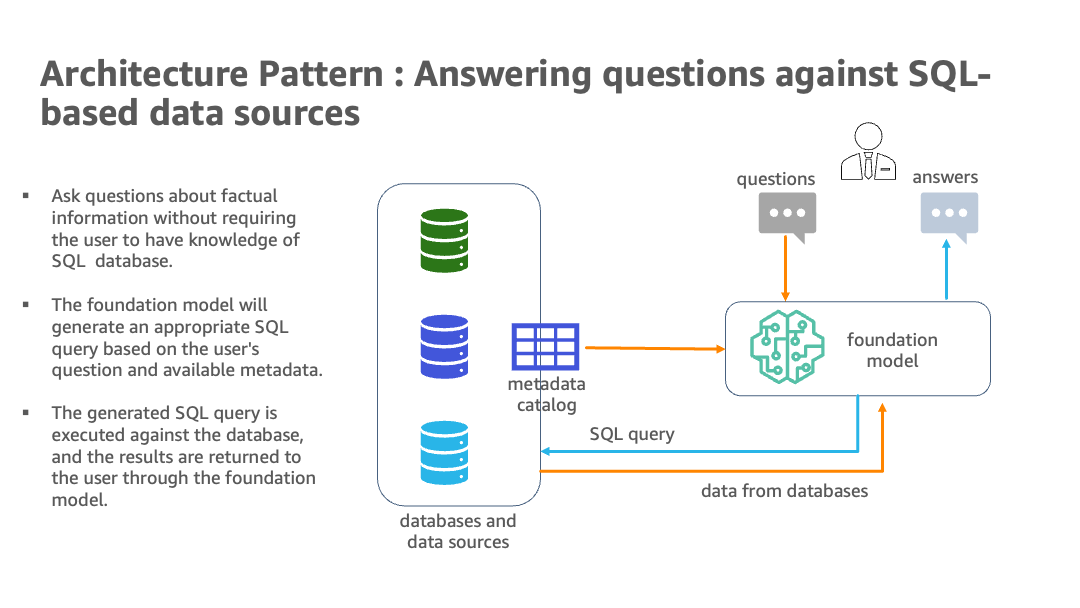
Generative AI depends on context. Information architecture provides that context through taxonomies, metadata, and content models.
Well defined structures allow AI systems to retrieve the right information for the right purpose. This improves accuracy, relevance, and explainability³.
For example, separating policy intent, operational guidance, and customer facing content reduces the risk of AI blending incompatible sources.
Enabling controlled access and governance
Information architecture also underpins access control. By classifying data consistently, organisations can enforce who and what AI systems are allowed to see.
This is essential for privacy, security, and regulatory compliance. It aligns closely with governance expectations set by the Australian Government and international standards bodies.
How does AI readiness differ from traditional data maturity?
Traditional data maturity focuses on reporting and analytics. AI readiness focuses on decision support and automation.
The difference is significant. Analytics tolerate some inconsistency because humans interpret results. AI systems act at scale and speed, magnifying any data weakness.
Information architecture bridges this gap by making data machine interpretable and human accountable⁴.
Where do organisations typically fail on AI data readiness?

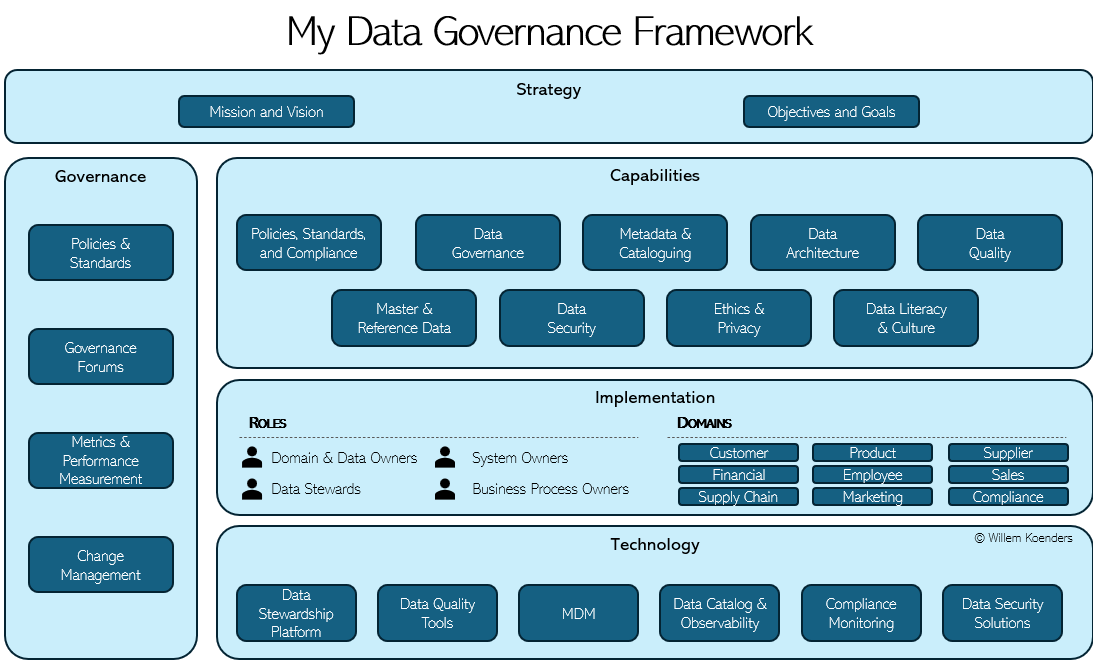
Fragmented content and knowledge stores
Many organisations store critical information across documents, intranets, ticketing systems, and emails. AI systems cannot reliably interpret this sprawl without structure.
Knowledge Quest addresses this by applying controlled content models and taxonomies, ensuring AI and humans access consistent, authoritative information.
Inconsistent metadata and ownership
Data without ownership or metadata quickly becomes unusable for AI. When context is missing, AI outputs become unreliable.
Customer Science Insights helps surface these gaps by linking data sources to CX and operational outcomes, revealing where poor architecture undermines performance.
What risks arise if data is not ready for AI?
The most visible risk is poor output quality. However, deeper risks include compliance breaches, biased decisions, and loss of trust.
Generative AI can unintentionally expose sensitive information if classification and access controls are weak. This creates regulatory and reputational exposure⁵.
There is also a productivity risk. Staff waste time validating or correcting AI outputs, negating promised efficiency gains.
How should organisations assess data readiness for AI?
Assessment should focus on structure and governance, not just technology. Key questions include:
-
Is information classified consistently across systems?
-
Are authoritative sources defined and enforced?
-
Is metadata applied systematically?
-
Are access controls aligned to data sensitivity?
CX Research and Design services support this assessment by mapping information flows across journeys and identifying where structure breaks down.
What are the next steps to prepare information architecture for AI?
Organisations should begin with an information architecture baseline. This documents content types, taxonomies, metadata, and governance.
CX Consulting and Professional Services can support design of future state architectures aligned to AI use cases. Information Management and Protection solutions then ensure architecture supports privacy, security, and compliance.
CommScore AI can be introduced once foundations are in place, using structured data to generate insight without compromising trust.
The objective is not to slow AI adoption, but to make it sustainable.
Evidentiary Layer
Research consistently shows that AI effectiveness depends on data structure and governance. ISO standards link information quality and metadata with reliable automated decision support⁶. OECD analysis similarly emphasises data governance and architecture as prerequisites for trustworthy AI⁷.
FAQ
What is data readiness for AI?
It is the ability of an organisation’s data to be safely and effectively used by AI systems.
Why is information architecture so important for generative AI?
Because generative AI relies on structured context to produce accurate and compliant outputs.
Can AI fix poor data quality?
No. AI amplifies data issues rather than correcting them.
What tools support AI ready information architecture?
Knowledge Quest, Customer Science Insights, and CommScore AI support structured knowledge, measurement, and insight.
How long does it take to become AI ready?
Foundational improvements can begin quickly, but sustainable readiness is an ongoing capability.
Does AI readiness require new platforms?
Not always. Structure and governance matter more than replacing technology.
Sources
-
ISO 8000-61, Data Quality Management, 2022.
-
ISO IEC 38505-1, Governance of Data, 2017.
-
ISO IEC 42001, Artificial Intelligence Management Systems, 2023.
-
OECD, Data Governance for the Public Sector, 2021. https://doi.org/10.1787/0d3a89f5-en
-
Australian National Audit Office, Management of Data Risks, 2020.
-
ISO 25012, Data Quality Model, 2018.
-
OECD, Trustworthy Artificial Intelligence, 2019. https://doi.org/10.1787/5e5c1b8e-en