




























Confusing customer correspondence is a primary driver of avoidable contact centre demand. When letters, emails, and digital messages are unclear, customers call to seek clarification, correction, or reassurance. This article explains how poor writing increases contact volumes, how to identify correspondence-driven failure demand, and how CX leaders can redesign communications to reduce cost while improving customer trust.
Definition
What is failure demand in contact centres?
Failure demand refers to customer contact caused by an organisation’s failure to do something correctly the first time. In contact centres, this includes calls and messages generated by unclear, incorrect, or incomplete communications. Customers are not seeking new value. They are attempting to resolve confusion created upstream.
Confusing correspondence is one of the most consistent sources of failure demand contact centre activity. Customers call because they do not understand what is required, what has changed, or what action has already been taken. This demand is predictable, measurable, and preventable¹.
Context
How does poor correspondence increase contact centre volumes?
Written communications often reflect internal processes rather than customer needs. Language is complex. Sentences are long. Key actions are buried in paragraphs of policy or legal text. As a result, customers experience cognitive overload and uncertainty.
When uncertainty rises, customers seek human confirmation. This behaviour is rational. Contact centres become the safety net for poorly designed communications. Over time, this creates structural cost growth that cannot be solved through staffing or automation alone².
Mechanism
Why does confusing writing trigger calls?
Poor writing increases effort. Customers must interpret meaning, infer next steps, or check whether a message applies to them. Each point of ambiguity creates a decision gap. The fastest way to close that gap is to call.
Research shows that unclear correspondence increases repeat contact and escalations because customers lack confidence in written instructions³. From an operational perspective, every unnecessary word increases the probability of contact. Clear writing reduces demand before it reaches the contact centre.
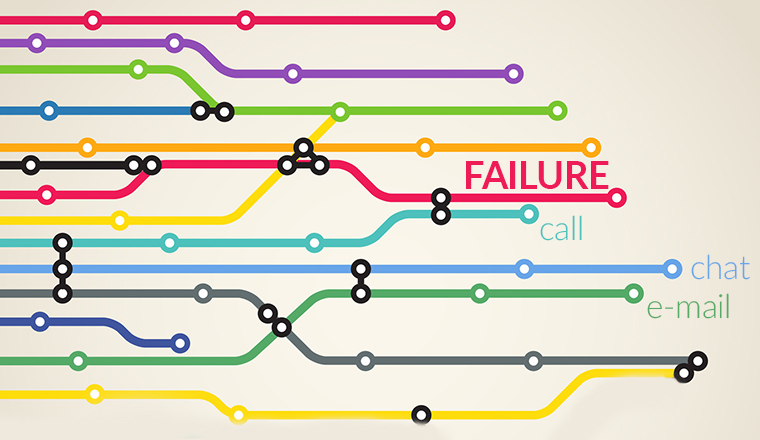
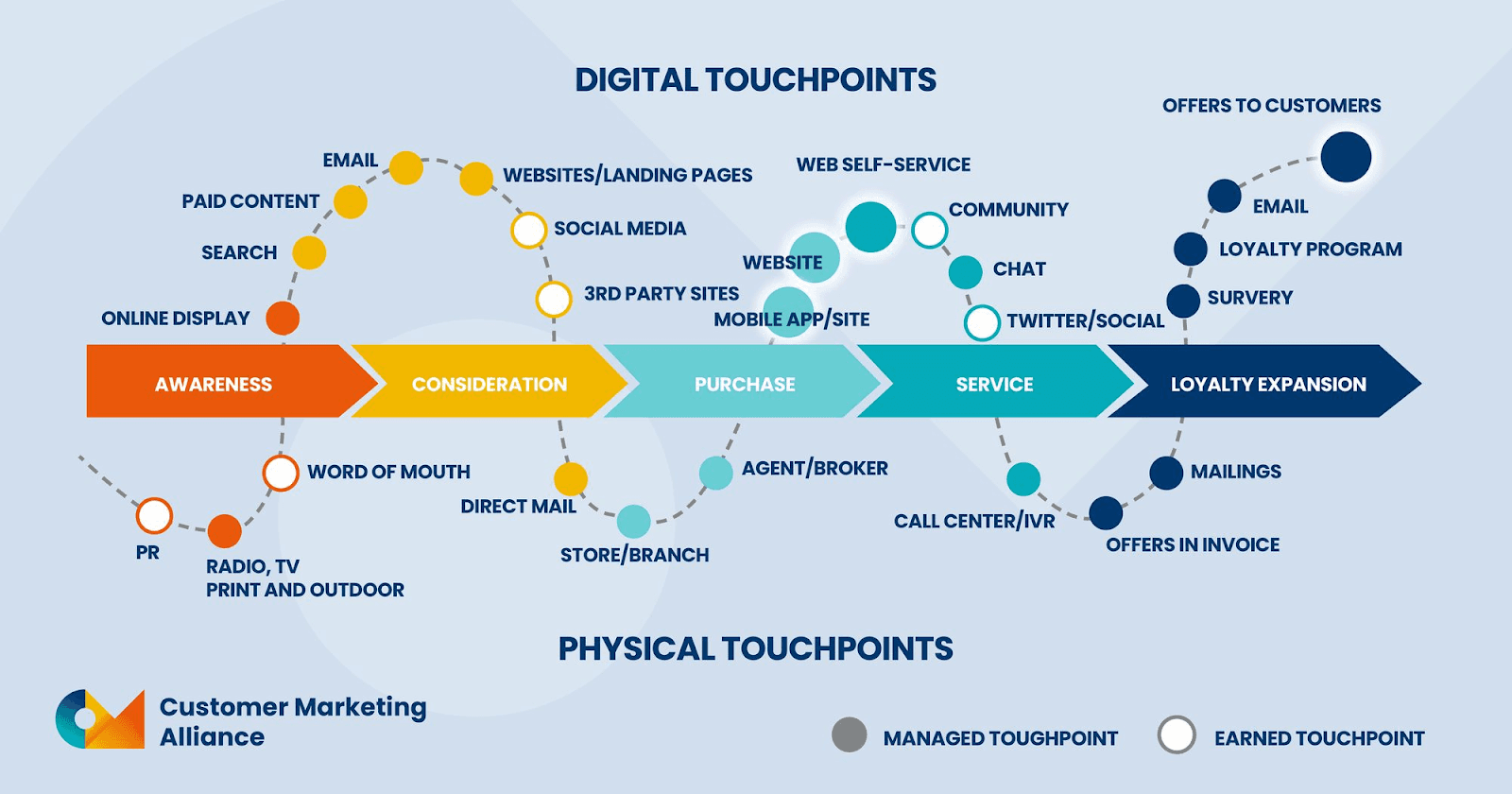

Comparison
Confusing correspondence versus clear CX communications
Confusing correspondence focuses on completeness from an internal perspective. Clear CX communications focus on comprehension from the customer’s perspective. The difference is outcome-driven.
Clear communications prioritise one message, one action, and one timeframe. They remove internal references and assumptions. This shift consistently reduces inbound volumes and average handling time while improving customer satisfaction⁴.
Applications
How can CX leaders reduce failure demand caused by correspondence?
The solution begins with redesigning customer communications as CX assets, not administrative outputs. CX leaders should map high-volume contact reasons back to originating letters, emails, and messages.
Structured CX communications programs delivered by organisations such as Customer Science apply behavioural science, plain language standards, and testing to correspondence redesign. This approach reduces failure demand by removing ambiguity at the source rather than absorbing it downstream.
https://customerscience.com.au/solution/cx-communications/
Risks
What happens if correspondence is not addressed?
If confusing correspondence remains unresolved, contact centre volumes continue to rise regardless of channel mix or automation. Digital deflection fails because the root cause persists. Agent morale declines as calls become repetitive and low value.
There is also regulatory risk. Customers who misunderstand obligations or entitlements are more likely to complain or escalate. Clear communication is both a cost control mechanism and a risk control mechanism⁵.
Measurement
How do you measure the impact of correspondence fixes?
Measurement should link correspondence changes directly to demand reduction. This includes tracking contact volume by trigger, repeat contact rates, and call reasons linked to specific communications.
Advanced organisations run controlled trials, releasing revised correspondence to a subset of customers and measuring demand deltas. CX consulting support accelerates this capability by establishing baselines and statistical confidence.
https://customerscience.com.au/service/cx-consulting-and-professional-services/
Next Steps
What should CX leaders do first?
Start with evidence. Identify the top ten letters or emails that trigger calls. Analyse the language, structure, and calls-to-action. Engage frontline agents to validate where customers are confused.
From there, build a correspondence redesign backlog aligned to cost reduction and customer effort reduction. Treat each communication as a lever for operational efficiency, not just compliance.
Evidentiary Layer
What evidence links writing quality to contact volumes?
Multiple studies confirm that poor written communication increases customer effort and repeat contact. Public sector and regulated service research shows that plain language correspondence reduces inbound demand by double-digit percentages when applied systematically⁶˒⁷.
Standards bodies increasingly recognise clear communication as a core component of service quality and risk management⁸.
FAQ
What is failure demand in a contact centre?
Failure demand is customer contact caused by preventable issues such as unclear correspondence, errors, or omissions.
Can improving writing really reduce call volumes?
Yes. Clear CX communications consistently reduce inbound calls by removing uncertainty before customers seek help.
Is this relevant for digital-only organisations?
Yes. Confusing emails, notifications, and app messages generate chat and call demand in the same way as letters.
How long does it take to see results?
Most organisations see measurable reductions within weeks of deploying revised correspondence.
Who can help redesign customer communications?
Specialist CX communications teams such as Customer Science provide structured redesign, testing, and measurement services.
https://customerscience.com.au/solution/cx-communications/
Sources
Seddon, J. Systems Thinking in the Public Sector. Triarchy Press.
OECD. Enhancing Customer Experience in Public Services.
Journal of Service Research. Customer effort and contact behaviour.
Harvard Business Review. Why Simple Language Wins.
Australian Competition and Consumer Commission. Consumer communication guidance.
UK Government Digital Service. Plain English impact studies.
Journal of Behavioral Economics. Cognitive load and decision making.
ISO 10002 Customer satisfaction and complaints handling.