





























customer communications ensure every customer can understand and act on information regardless of disability, literacy level, or technology. In Australia, accessibility is both a legal obligation and a practical driver of lower service demand. This article explains how Australian accessibility standards apply to customer correspondence, how inaccessible design increases cost and risk, and how CX leaders embed accessible document design at scale.
Definition
What are accessible customer communications?
Accessible customer communications are letters, emails, PDFs, and digital messages designed so people with visual, cognitive, hearing, or motor impairments can use them effectively. Accessibility covers language clarity, document structure, visual presentation, and technical compatibility with assistive technologies.
In Australia, accessible customer communications align with the Web Content Accessibility Guidelines and disability discrimination law. Accessibility applies to documents, not just websites. When communications are accessible, customers can understand content without assistance, reducing complaints, repeat contact, and regulatory exposure¹.
Context
Why accessibility matters for Australian organisations
More than one in five Australians lives with a disability, and many more experience temporary or situational impairments such as stress, low literacy, or limited digital access. Inaccessible correspondence forces these customers to seek help through contact centres or complaints channels.
Regulators increasingly treat inaccessible communications as a service failure rather than a technical oversight. This shifts accessibility from a compliance exercise to an operational and reputational risk. Poor accessibility drives avoidable contact volumes, remediation costs, and customer dissatisfaction².
Mechanism
How inaccessible documents increase contact centre demand
Inaccessible documents increase customer effort. Common failures include dense text, weak headings, low contrast, inaccessible PDFs, unclear instructions, and language that assumes prior knowledge.
Customers who cannot easily read or navigate a document must seek clarification. From an operational perspective, this creates predictable failure demand. Calls attributed to “not understanding the letter” or “needing it explained” are often rooted in accessibility issues rather than customer capability³.


Comparison
Accessible document design versus traditional correspondence
Traditional correspondence prioritises internal completeness and visual branding. Accessible document design prioritises usability and comprehension for diverse users.
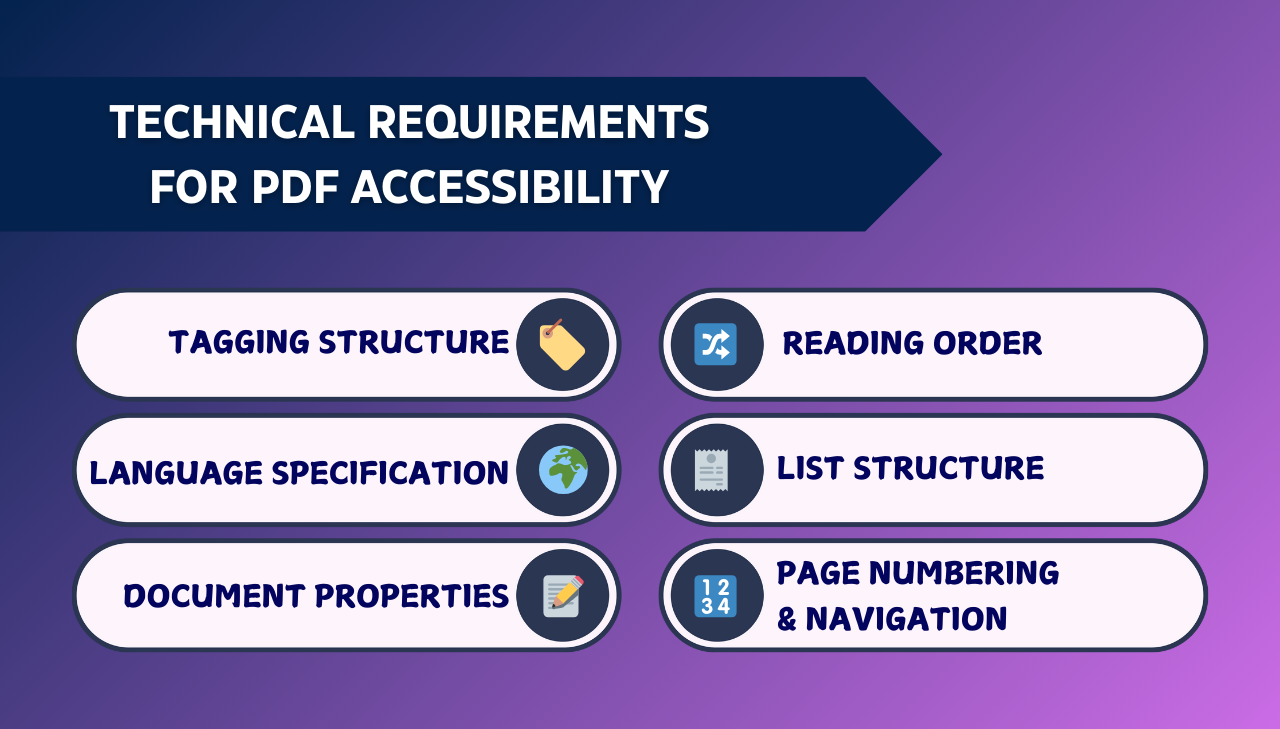
Accessible documents use clear headings, logical reading order, plain language, sufficient colour contrast, and compatibility with screen readers. Traditional documents often assume visual scanning and high literacy. Accessible design reduces effort for all customers, not only those with disabilities, improving CX and reducing cost-to-serve⁴.
Applications
How do CX leaders implement accessible document design?
Implementation starts with prioritisation. CX leaders identify high-volume and high-risk communications such as bills, compliance notices, service changes, and entitlement letters. These documents are redesigned against accessibility standards and tested with real users.
Structured CX communications programs delivered by Customer Science integrate accessibility, plain language, and behavioural design into correspondence at scale. This ensures WCAG compliance for documents Australia while reducing avoidable contact and improving customer trust.
https://customerscience.com.au/solution/cx-communications/
Risks
What risks arise from non-compliant customer communications?
Non-compliant communications expose organisations to legal action under Australian disability discrimination law. They also increase complaints, remediation effort, and manual handling when customers cannot access essential information.
Digital scale amplifies this risk. An inaccessible email or PDF can impact thousands of customers instantly. Retrofitting accessibility after release is significantly more expensive than designing it correctly from the outset⁵.
Measurement
How is accessibility performance measured in practice?
Measurement combines compliance metrics and operational outcomes. Compliance includes alignment with WCAG criteria for documents and digital messages. Operational outcomes include reductions in clarification calls, complaints about understanding, and requests for alternative formats.
Leading organisations link accessibility improvements to reductions in contact volume and cost-to-serve. CX consulting support helps establish baselines and quantify financial benefits alongside compliance reporting.
https://customerscience.com.au/service/cx-consulting-and-professional-services/
Next Steps
What should organisations do first to improve accessibility?
Begin with an accessibility audit of customer communications. Focus on documents that generate the highest contact volumes or complaints. Assess both language clarity and technical accessibility.
From there, establish accessible templates, writing standards, and governance. Train teams responsible for correspondence so accessibility becomes embedded into business-as-usual processes rather than treated as a specialist afterthought.
Evidentiary Layer
What evidence supports accessible customer communications?
Research shows that accessible design improves comprehension and task completion for all users, not only people with disabilities. Public sector studies demonstrate measurable reductions in service demand when accessibility and plain language are applied together⁶˒⁷.
Australian standards bodies and regulators increasingly emphasise accessibility as a core component of service quality, equity, and risk management⁸.
FAQ
Are customer letters and PDFs covered by accessibility standards?
Yes. Letters, PDFs, emails, and digital messages are all in scope under Australian accessibility and discrimination law.
Is WCAG compliance enough for accessible documents?
WCAG compliance is necessary but not sufficient. Plain language, structure, and clarity are equally critical.
Does accessible document design increase costs?
No. It reduces costs by preventing avoidable contact, complaints, and remediation.
How quickly can accessibility benefits be realised?
Improvements in comprehension and reduced contact are often visible within weeks of deployment.
Who can help implement accessible customer communications?
Specialist CX communications providers such as Customer Science support accessible document design, testing, and governance at scale.
https://customerscience.com.au/solution/cx-communications/
Sources
-
World Wide Web Consortium. Web Content Accessibility Guidelines 2.1.
-
Australian Human Rights Commission. Disability Discrimination Act guidance.
-
Journal of Service Management. Accessibility and service demand.
-
UK Government Digital Service. Accessible document design standards.
-
Australian Government Digital Transformation Agency. Accessibility requirements.
-
Journal of Usability Studies. Inclusive design outcomes.
-
OECD. Enhancing accessibility in public services.
-
ISO 30071-1 Digital accessibility code of practice.