



























Privacy by design is essential to delivering trusted digital government services. Embedding privacy controls into policy, technology, and service design protects citizen data while enabling innovation. This article explains privacy by design principles for government, how they support citizen data protection, and how agencies can operationalise them without slowing service delivery.
What is privacy by design in digital government services?
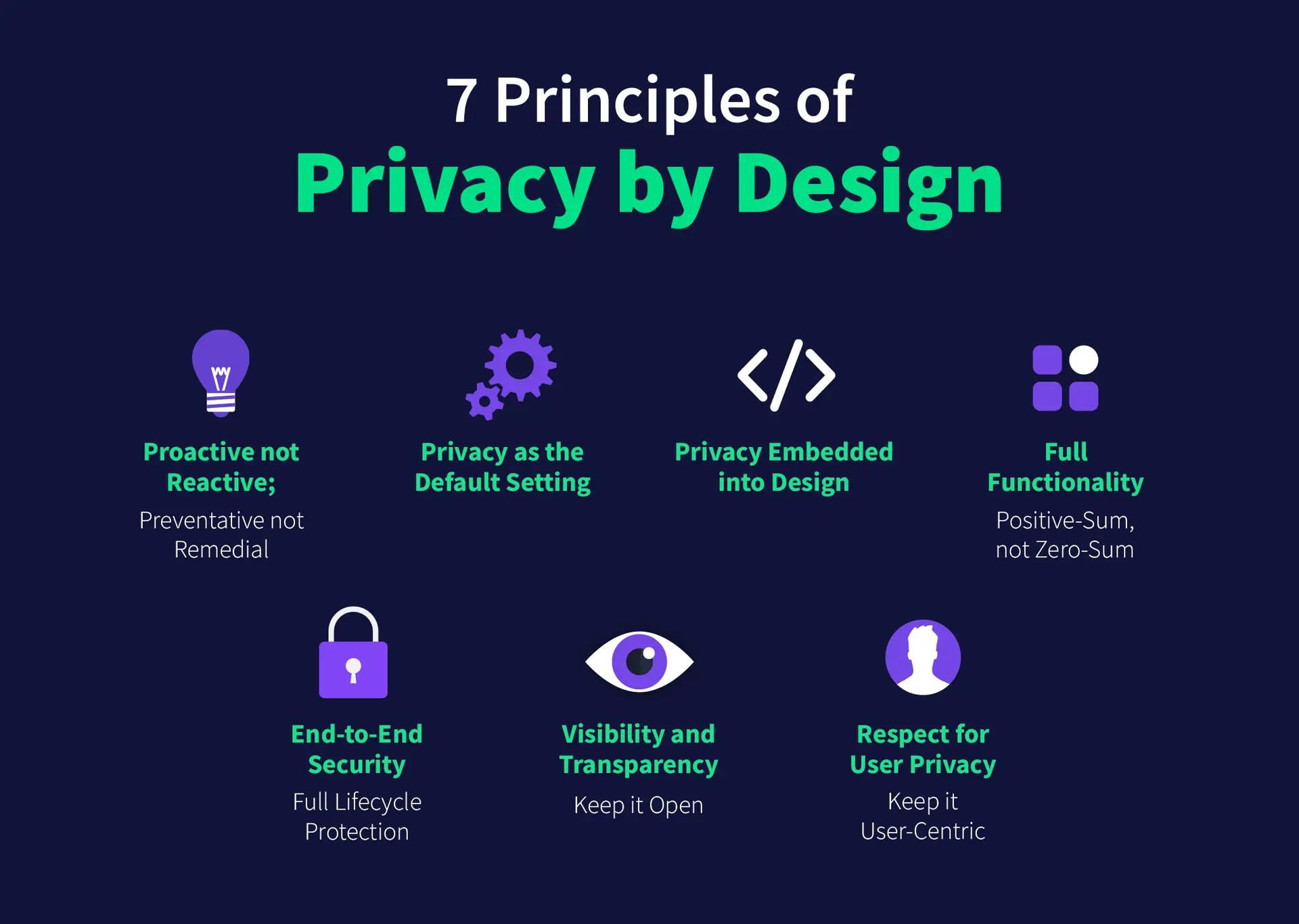
Privacy by design is an approach that integrates privacy protections into systems, processes, and services from the outset. Rather than adding controls after delivery, privacy requirements shape decisions across the full service lifecycle.
The core problem it addresses is reactive compliance. When privacy is treated as a late stage check, agencies face rework, delivery delays, and increased risk of data breaches. Embedding privacy early reduces exposure while improving service quality¹.
In government, privacy by design extends beyond technology. It influences policy settings, data governance, service design, and frontline practices. This makes it a foundational capability for sustainable digital transformation.
Why are privacy by design principles critical for government?
Government holds highly sensitive personal data. Public trust depends on confidence that this data is collected, used, and protected appropriately. Privacy failures quickly erode confidence and reduce digital service uptake².
Privacy by design principles support proportionality. They ensure agencies only collect data required for a defined purpose, limit access, and retain information for no longer than necessary. This reduces harm if incidents occur.
From a CX perspective, privacy by design improves clarity. Transparent data practices reduce confusion and anxiety, making services easier to use and more trusted.
How do privacy by design principles work in practice?
Data minimisation and purpose limitation
A core principle is collecting the minimum data required to deliver a service. Each data element must have a clear, documented purpose.
This discipline reduces system complexity and limits downstream risk. It also forces agencies to challenge legacy practices that persist without justification³.
Privacy embedded in service and system design
Privacy controls must be designed into workflows, interfaces, and architectures. This includes role based access, audit logging, encryption, and consent management.
Embedding these controls early is significantly more effective than retrofitting. It also supports automation and data sharing within defined safeguards.
These principles align with policy frameworks led by the Australian Government, which emphasise privacy by design as a prerequisite for digital service delivery⁴.
How does privacy by design differ from traditional compliance?
Traditional privacy compliance focuses on meeting legislative requirements. Privacy by design focuses on preventing risk before it occurs.
The difference is operational. Compliance checks confirm whether rules are followed. Privacy by design shapes how services are conceived and delivered.
Agencies that rely solely on compliance often meet minimum standards but still experience incidents. Those that embed privacy by design reduce risk while enabling innovation⁵.
Where should agencies prioritise privacy by design?

Digital service and CX transformation programs
Privacy by design should be embedded in CX and digital service transformation initiatives. Early journey mapping reveals where data is collected, reused, or shared.
Customer Science Insights supports this by linking data flows to service performance and experience outcomes. This helps agencies balance privacy protection with service effectiveness.
Cross agency data sharing initiatives
Data sharing increases service value but also risk. Privacy by design ensures sharing arrangements are transparent, governed, and proportionate.
This is critical for life event services and digital identity enabled journeys, where multiple agencies rely on shared data.
What risks arise when privacy by design is ignored?
The most obvious risk is data breach. However, there are broader consequences. Poor privacy practices reduce digital uptake, increase assisted channel demand, and attract regulatory scrutiny.
There is also a delivery risk. Late identification of privacy issues can halt projects or force expensive redesigns⁶.
Finally, agencies risk eroding staff confidence. Clear privacy frameworks empower teams to innovate safely rather than defaulting to risk avoidance.
How should agencies measure effective citizen data protection?
Measurement should focus on outcomes, not just controls. Indicators include reduced privacy incidents, faster approvals, and higher digital completion rates.
Qualitative measures also matter. Clearer consent experiences and fewer privacy related complaints indicate effective design.
CommScore AI can analyse interaction data to identify privacy related confusion or concern, while Knowledge Quest ensures consistent, compliant guidance across channels.
What are the next steps for embedding privacy by design?
Agencies should begin with a privacy maturity assessment across policy, service design, data governance, and technology. This identifies gaps and informs prioritised action.
CX Research and Design services can support integration of privacy considerations into journey design and research practices. CX Consulting and Professional Services then help align governance, operating models, and assurance processes.
The goal is to make privacy a routine design input rather than a delivery constraint.
Evidentiary Layer
Research consistently links privacy by design with improved digital trust and service adoption. OECD analysis highlights that proactive privacy controls enable safer data sharing and innovation⁷. Australian regulatory guidance similarly emphasises privacy by design as a control against systemic data risk⁸.
FAQ
What is privacy by design in government services?
It is the integration of privacy protections into service, system, and policy design from the outset.
How does privacy by design protect citizen data?
By limiting data collection, controlling use, and embedding security and consent into services.
Is privacy by design legally required?
While legislation sets obligations, regulators strongly expect privacy by design in digital government delivery.
Does privacy by design slow service delivery?
No. When applied early, it reduces rework and accelerates delivery.
What tools support privacy by design?
Customer Science Insights, Knowledge Quest, and CommScore AI support governed data use and insight.
How can agencies build privacy capability?
Through governance, training, and professional support from CX Consulting and Information Management and Protection services.
Sources
-
Office of the Australian Information Commissioner, Privacy by Design, 2021.
-
Australian Human Rights Commission, Digital Trust and Privacy, 2022.
-
ISO IEC 27701, Privacy Information Management Systems, 2019.
-
Australian Government, Data and Digital Government Strategy, 2023.
-
OECD, Enhancing Access to and Sharing of Data, 2019. https://doi.org/10.1787/276aaca8-en
-
Australian National Audit Office, Management of Data Risks, 2020.
-
OECD, Trust in Government, 2022. https://doi.org/10.1787/b4076ef1-en
-
Office of the Australian Information Commissioner, Guide to Data Protection, 2021.