























Health
$2 millionsaved in contact centre costs over two years
Bupa: how positive writing saved $2 million
Clearer, more empathetic rate-change letters cut extra calls to 300 a day.
Customer experience and service transformation
We help Australian service leaders transform customer experience, digital services and service operations. Our practitioners have run the services we help you improve, and we take you from research and strategy through to results.
Customer research, service design, management consulting, extra people when you need them, automation and AI, and our own specialist products: everything you need to design the right services and keep them performing.
 Innovation Growth Equality Quality
 Your benefits
This is your change, and your organisation gets the credit for it. We bring the evidence and the hands-on delivery so it happens and holds. The four pillars below are how we get you there.
You get a service your customers find easier to use, online and in the contact centre. They stay with you and recommend you. Satisfaction typically rises by 30% or more, and fewer people need to call back or complain.
You get work that reports against the goals your board already tracks, whether that is growth, cost, compliance or customer trust. We co-design the strategy with your leaders, so every change comes with a board-ready measure behind it.
You get a return you can measure, typically within six months. Cost to serve, avoidable contacts and rework come down, while productivity and the value you get from your technology go up. We agree how to measure it before the work starts.
You keep the capability. Your team receives the templates, tools, governance and operating rhythm to keep improving after we leave, with coaching so they can run it themselves. The gains are still there two years on.
Why Customer Science
An independent, boutique customer experience and digital transformation firm that specialises in operationalising your service vision.
We are an Australian company built on one belief: our role is to help Australian organisations deliver world-leading services. We help you realise your customer, service and digital vision, so your people become the heroes of better services that make Australians' lives better every day. To do that, we designed our organisation around the attributes listed here, giving you the talent, scale and speed to design, implement and sustain your best possible service and business performance.
We specialise in operationalising your vision, so the insight, strategy and design become practical changes to your services. With strong project, change and value management alongside them, you keep the benefits of the work we do together.
We have now commercialised this capability, with a partner manager, a CX Integrator leader and model, and panel agreements that simplify engagement, so you can get started today.
We combine people, process, technology, management and product in one consulting-led team that turns research and strategy into stronger business performance.
We hand over our intellectual property and give you all the training and support you need to lock in the performance and benefits our work delivers.
Our people carry the scars of leading award-winning service and specialist teams, and use that practical experience to guide organisations like yours through transformation.
We use data analytics and science to get accurate insight before we design targeted solutions, then measure the results so you can see the success for yourself.
Sensitive and confidential work is our specialty.
Bring us one problem to fix, or the whole vision to deliver.
Without the red tape of larger firms, decisions are made locally and you deal directly with the experts on your project. You get the right answers quickly and the job done on time, to a high standard.
Our network of consultants and partners works under one performance-aligned contract with you, so you can draw on deep specialist talent at scale while we stay nimble. You get senior specialists, not juniors.
How we work with you
Plans are easy to admire and hard to land.
Every engagement moves through the same four phases, from finding where the value is to proving it arrived. Some clients bring us in for one phase. With a CX Integrator, one Customer Science leader carries your roadmap through all four.
Meet the CX Integrator approachResearch & Strategy
Where should we focus?
Evidence on where effort and cost sit today, and which changes would pay back.
Supportive Solutions
Design
What is the foundation?
The operating model, services and knowledge the change will stand on.
Supportive Solutions
Implement
Will customers use it?
People, process, technology and the methods behind them move from design into everyday operation.
Manage
Is it delivering value?
Measure what changed, keep the gains and feed what we learn into the next round.
Supportive Solutions
We assess the value and pick the projects that deliver a return on investment and business benefits.
What we do
Scan the whole offer in one view, then open the starting point that fits you.
Case studies
Every story here carries a result the client can point to. Open one to see the objective, what we did and how the number was reached.
$2 millionsaved in contact centre costs over two years
Clearer, more empathetic rate-change letters cut extra calls to 300 a day.
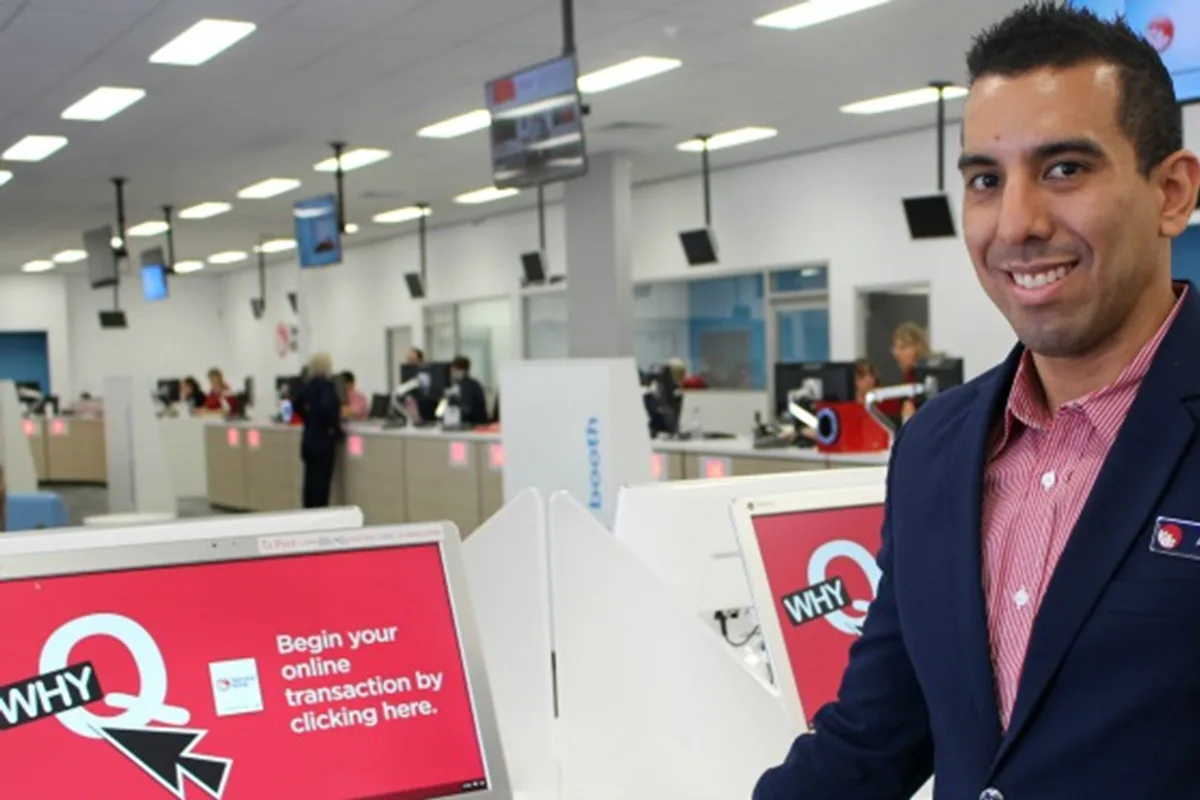
98%+customer satisfaction across the onboarded agencies
CX consulting and design to bring new agencies into Service NSW’s digital, contact and service centres.
60×the call volume handled, without a busy signal
A rebuilt workforce and automated platform absorbed a hundredfold spike in calls before the opt-out deadline.
$300,000of staff capacity returned in the first two years
Digital workers took over invoicing, wastewater testing admin and customer detail changes.
90%+of supplier statements reconciled, up from 5 to 10%
A digital worker now matches every supplier statement each month instead of the top 50.

90%fewer stakeholder complaints, with satisfaction above 90%
One consistent service strategy across five business units.

40%fewer abandoned calls
A new telephony platform in ten weeks, a new service design and a Salesforce CRM.

48 hoursto provide services, down from an average of 28 days
A front-loaded operating model, 46 redesigned processes and trauma-informed training.
4,500customer messages rewritten in clear, human language
Thousands of transactional messages rewritten, with training rolled out nationally.
Case study
Bupa’s annual rate change mailings triggered thousands of angry or confused calls, straining the contact centre and costing millions in staffing.
Our Friendly Persuasion team redesigned the messaging to be upfront, transparent and empathetic, with a target of fewer than 3,500 extra calls a day.
$2 millionsaved in contact centre costs over two years
Extra calls fell to 300 a day, customer satisfaction held at 83% despite the rate rise, and the contact centre saved $2 million over two years.
Case study
Service NSW needed to onboard new NSW Government agencies and services into its digital, contact and service centre channels.
We designed and built contact centres and integrated the agencies into unified digital, contact and service centre operations, automating processes along the way.
98%+customer satisfaction across the onboarded agencies
Over 98% customer satisfaction, significant productivity gains and agencies meeting their customer service objectives.
Case study
With the My Health Record opt-out deadline approaching, the agency’s outsourcers and technology could not handle a hundredfold spike in calls. A new operating model and platform were needed within two months.
We ran the program end to end: workforce planning and rapid recruitment, a new target operating model, knowledge management, process redesign, self-service and automation, and a phased spike plan.
60×the call volume handled, without a busy signal
The contact centre handled 60 times the call volume without a busy signal, in time for the deadline, with a 35% efficiency gain.
Case study
Customers and suppliers were hitting invoice errors and slow fixes, and labour-intensive wastewater admin was slowing the response to problems.
We assessed the automation opportunities, then designed, implemented and supported UiPath digital workers for wastewater testing, accounts payable invoicing and change-of-details requests.
$300,000of staff capacity returned in the first two years
More accurate, faster processing and $300,000 of staff capacity returned to the business in the first two years.
Case study
With around 1,200 active suppliers, the finance team could only reconcile statements from the top 50 suppliers a month, leaving overpayments, missed invoices and fraud risk unchecked.
We automated statement reconciliation against the D365 ERP with a digital worker, so every supplier statement is matched each month.
90%+of supplier statements reconciled, up from 5 to 10%
Coverage rose from 5–10% to over 90%, case time dropped from 45 minutes to 3, and the team reclaimed more than 1,200 hours a year.
Case study
A large organisation needed consistent service strategy and quality across five business units.
We delivered the service strategy, design, deployment and embedding, with continuous improvement and quality assurance programs.
90%fewer stakeholder complaints, with satisfaction above 90%
Over 90% customer satisfaction and a 90% reduction in stakeholder complaints.
Case study
Community Options wanted its contact centre to serve local communities better, and needed a clear view of what to fix across people, process and technology.
We reviewed operations and technology, prioritised 11 immediate and 13 future opportunities, then implemented a new telephony platform in ten weeks alongside a new service design, rosters, CX training, quality metrics and a Salesforce CRM.
40%fewer abandoned calls
Abandoned calls fell by 40%, and the centre now runs on a modern platform with the operational tools to keep improving.
Case study
NSW Victims Services knew it was underperforming and needed to get help to victims faster, to help break the cycle of crime.
We revised the target operating model to front-load skills and resources, redesigned all 46 processes, put the Genesys telephony and a LivePro knowledge system to work, and delivered trauma-informed customer experience training.
48 hoursto provide services, down from an average of 28 days
Time to provide services fell from an average of 28 days to 48 hours.
Case study
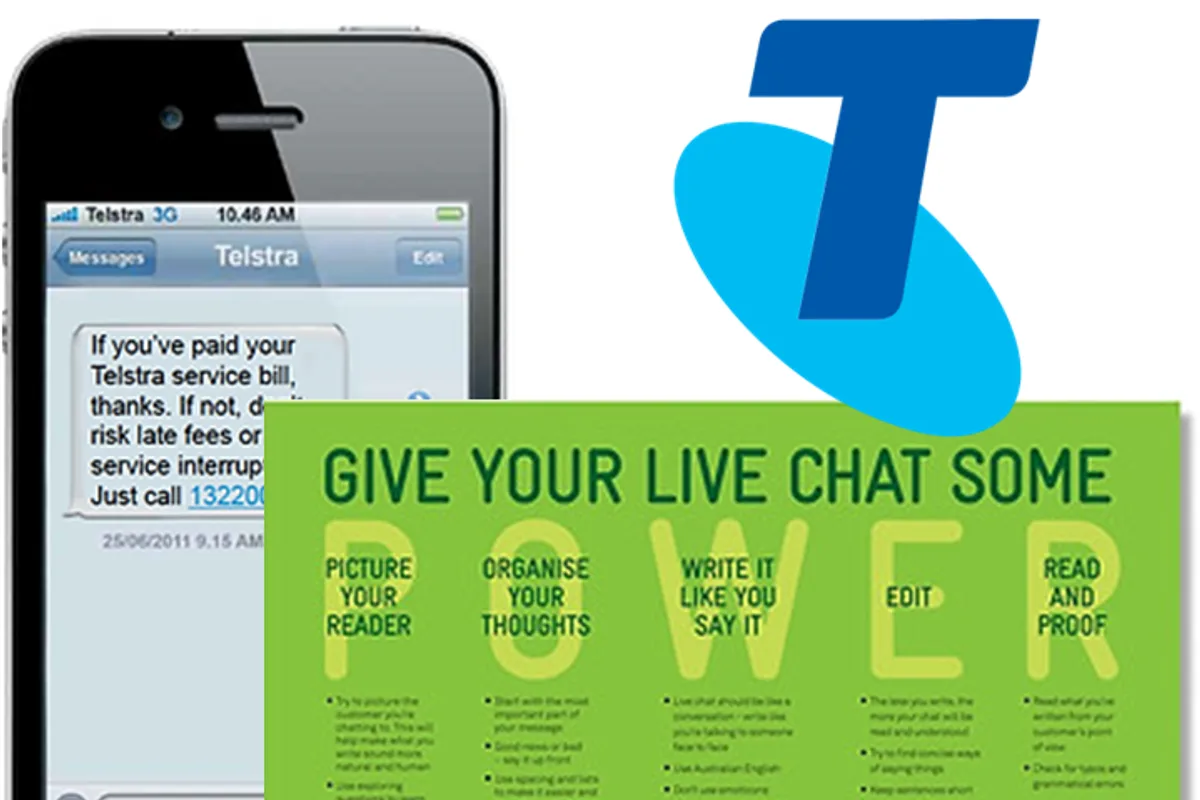
Telstra sends over 300 million messages a year. Many transactional messages lacked the warmth and clarity customers needed.
We reviewed and rewrote customer communications for clarity, consistency and tone, and rolled out training nationally, in person and online.
4,500customer messages rewritten in clear, human language
Clear, customer-friendly communications for over 4,500 messages, and a national training program.
Ideas from the team
As published in CX Focus Magazine - Are you looking to augment your workforce with a crew of virtual employees in the upcoming financial year? That’s the…
As published in AI Today - Commencing projects without clearly establishing your end goals can be counterproductive, writes Sally Mainsbridge (pictured)…
As published by TechDay - Is AI adoption a key priority for the upcoming 12 months? For many Australian enterprises, the answer is yes. As the technology…
Awards and recognition
 AFR Fast 100 · 2024
 AFR Fast 100 · 2025
 Fast 50 · 2025
 ARN Innovation · 2025
 Australian AI Awards · 2025
 ARN WIICTA
 CRN Channel Awards · 2026
Our specialty sub-brands
Customer Research, Service Design, Consulting and Service Transformation
Management Consulting, Governance, Data, Project, Change and Transformation Management

Contact Centre Technology
Value and Benefit Management

Customer Communication